

Automotive development has its own vocabulary, and it is more precise than it first appears. A mule, a buck, a show car and a pilot build are not variations on the same thing; they answer different questions and are built to different standards.
What a prototype vehicle is
A prototype vehicle is a physical build used to evaluate a design before production tooling is committed. That definition covers a wide range: a modified existing vehicle used to test a powertrain, a hand-built body on a bespoke chassis for aerodynamic work, a non-running model used to assess proportions, and a factory-representative build used to validate the assembly line. What they share is that none of them is the final product, and each is built to answer a specific question.
| Term | What it is | What it proves |
|---|---|---|
| Buck | A non-running representation of the interior or exterior | Proportions, ergonomics, visible surfaces |
| Mule | An existing vehicle carrying new mechanical systems | Powertrain, chassis and thermal behaviour |
| Show car | A finished-looking static vehicle | Public and stakeholder reaction |
| Pilot build | Vehicles built on production tooling and process | Manufacturability and assembly sequence |
| Validation prototype | A complete vehicle for testing programmes | Durability, crash, thermal and electrical performance |
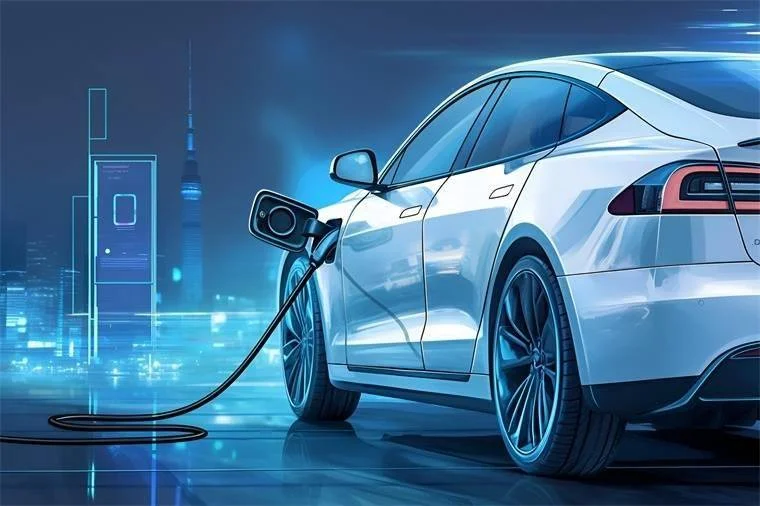
What a car prototype is called
The terminology above is the practical answer, and it is worth using precisely because it changes what a supplier will quote. A buck is a fabrication and finishing exercise, often without any mechanical function. A mule is a systems integration job on an existing platform. A pilot build is a manufacturing exercise that depends on tooling and process. Calling all three a prototype invites a supplier to assume the wrong scope.
Two further terms appear in modern programmes. A hard model is a physical representation used for review rather than testing, and a running prototype is one that can drive under its own power. The distinction matters for the same reason: the second carries mechanical and safety requirements that the first does not, and the cost difference between them is substantial.
Are prototype cars street legal?
Generally not as built; road use is controlled.
Prototype vehicles are normally used on private test facilities, proving grounds or closed roads rather than on public highways. Where a vehicle is used on public roads, it typically requires registration, testing or a permit, and the requirements depend on the jurisdiction. Manufacturers also use camouflage and test registration arrangements specifically to allow limited public-road testing under conditions that are agreed with the authorities.
The practical implication for anyone commissioning a prototype is that road use is a compliance question rather than a design detail. Where a vehicle will be driven on public roads, the requirement should be stated at the outset, because it affects lighting, emissions, structural and documentation requirements, and those cannot be added afterwards. Regulatory requirements for vehicles and components vary by market and should be confirmed with the relevant authority.
How the stages connect
Development normally moves from least to most representative. Early work uses bucks and models to settle form and ergonomics, then mules to validate mechanical systems in a familiar platform, then complete prototypes for testing, and finally pilot builds on production tooling. Each stage reduces risk before the next and more expensive commitment, which is the economic logic behind the sequence.
Two consequences follow. Compressing the sequence by skipping a stage moves risk downstream, where it costs more to resolve. And the choice of stage determines what has to be built in the production material, because a mule that tests powertrain loads needs real structural behaviour whereas a buck does not.
Where component prototyping fits
Beneath the vehicle-level stages sits component prototyping, and this is where custom manufacturing contributes most directly. Interior trim panels, underbody brackets, thermal management components, sensor housings and development fixtures are all produced in small quantities and revised frequently. Machining, sheet metal fabrication, 3D printing and casting each serve particular component types, and the choice is driven by what the part must do.
The useful brief at this level names the stage and the test. A panel being photographed needs appearance; a bracket being fitted to a mule needs the mounting positions to match the existing vehicle; a component going into a durability programme needs the production material. Stating which of those applies is what makes the quotation comparable, because it determines both the process and the evidence that accompanies the parts. Related routes are described under CNC machining, sheet metal fabrication and 3D printing.
Common pitfalls in automotive prototyping
Four recur. Building a component in a convenient material and then using it in a test that depends on material behaviour. Leaving interface dimensions unconfirmed and discovering at assembly that a bracket does not match the mule. Treating a show-standard finish as if it were a functional requirement, or the reverse. And failing to record which revision each part belongs to, so results from one build cannot be attributed.
The corrective habits are straightforward: state the test and the stage, confirm interfaces against the actual receiving structure, separate cosmetic from functional requirements, and keep revision identification visible on parts and documentation. Material references are published by ASM International, drawing conventions follow ASME standards, surface and coating terminology follows ASTM Committee B08, inspection practice is described by the NIST Manufacturing Extension Partnership, and process obligations are set out by the US EPA.
Send the component with the development stage and the test it supports, and request a quote with the material and evidence scope stated.
FAQ
What is a car prototype called?
The common terms are buck for a non-running representation, mule for an existing vehicle carrying new systems, show car for a finished-looking static vehicle, pilot build for vehicles made on production tooling, and validation prototype for a complete vehicle used in testing.
Are prototype cars street legal?
Usually not as built. Prototypes are normally driven on private test facilities or closed roads, and public-road use requires registration, testing or a permit depending on the jurisdiction. The requirement should be stated at the start because it affects lighting, structure and documentation.
What is a prototype vehicle?
A physical build used to evaluate a design before production tooling is committed, from a non-running model used to assess proportions to a factory-representative build used to validate the assembly process. Each answers a specific development question.