

Semiconductor tooling parts fail in ways that ordinary machined parts do not: a particle from a worn edge can contaminate a wafer, an outgassing polymer can poison a process chamber, and a dimension that drifts by microns can misalign a gas panel or a wafer handler. Buyers of these components are not looking for the cheapest CNC shop; they are looking for a supplier that understands material purity, cleanliness, surface condition, and documentation — because the part’s real requirement is often invisible on the drawing.
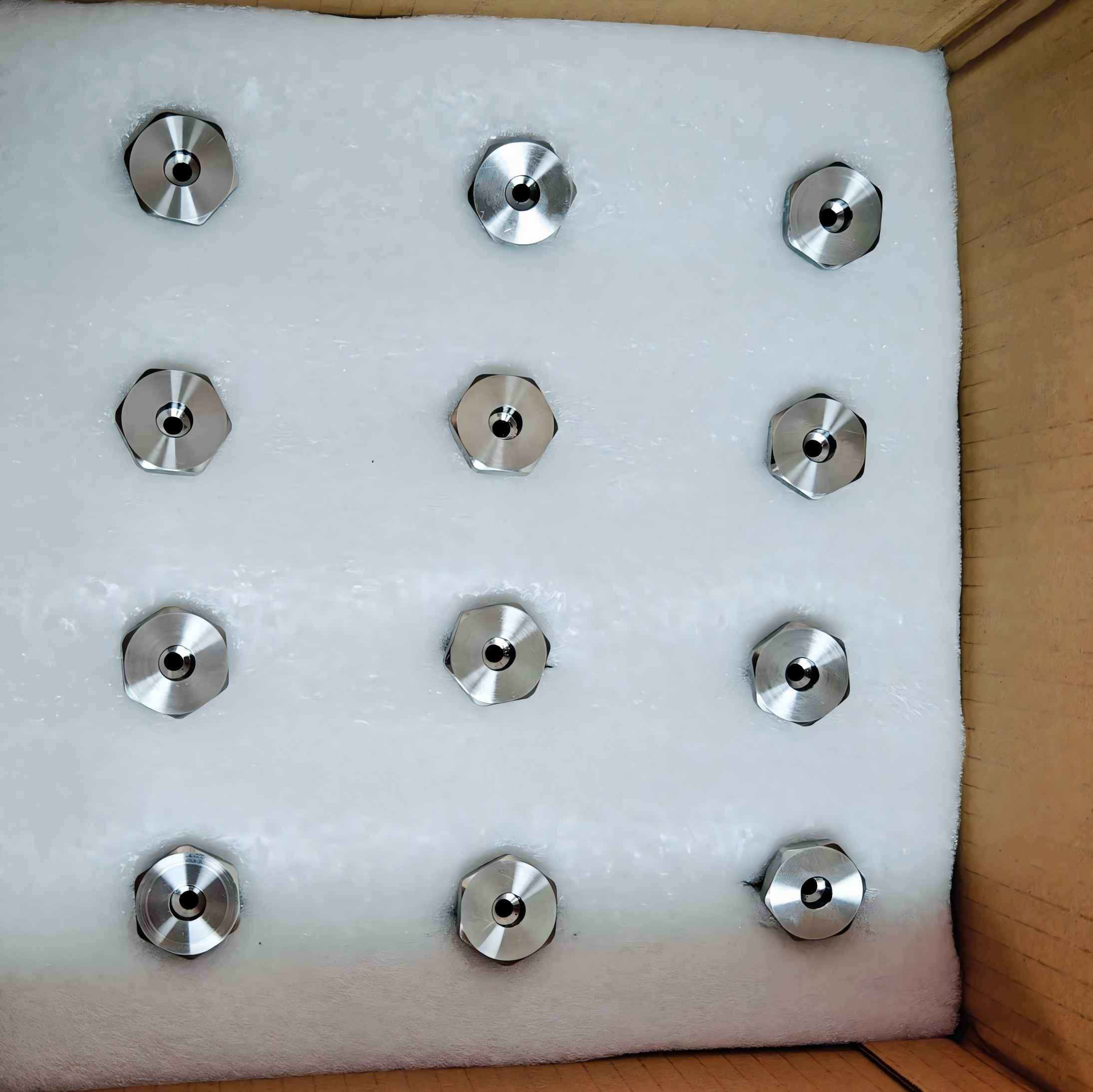
Which semiconductor hardware is actually CNC machined?
The hardware list spans process tools and fab infrastructure. Gas panels and fluid manifolds carry precision ports and seals; vacuum chambers and flanges need flat, clean sealing faces; wafer-handling components such as end effectors, chucks, and lift pins demand tight geometry and controlled surfaces; and RF or plasma-facing hardware must survive aggressive chemistry and thermal cycling. Each class has a different critical requirement, so the first step in a sourcing conversation is naming the class and its environment — process side, vacuum side, or atmosphere side.
That classification drives material and finish choices. A part that never enters the process chamber may use standard machined aluminum with a protective finish; a chamber component must be evaluated for outgassing, particle generation, and chemical compatibility. Writing “for semiconductor equipment” on the PO is not a specification; the class, environment, and cleanliness level are.
Materials: what actually gets specified for fab hardware
Aluminum alloys dominate structural and thermal hardware because of weight, thermal conductivity, and anodizing options; 6061-T6 is the common workhorse, with 5083 or specialized grades appearing in vacuum and welded assemblies. Stainless steels, especially 304L and 316L, appear where corrosion, purity, and weldability matter. PEEK and other engineered polymers are machined for insulating and handling components, and ceramics or coated metals appear at the extreme end where wear and plasma resistance dominate. The alloy and finish must be traceable to the certificate, because a substitution in a fab part can change outgassing, particle behavior, or corrosion resistance in ways that only show up in the chamber.
Cleanliness and surface requirements beyond the drawing
Fab parts are often specified by cleanliness class and particle limits in addition to dimensions. Machining creates burrs, chips, and residual coolant that must be removed; the cleaning process — aqueous, solvent, or specialized — depends on the material and the application. Surface finish and edge condition are cleanliness requirements as much as cosmetic ones: a rough edge or a torn thread can shed particles during handling or service.
Specify the cleanliness level, the packaging, and the inspection method with the drawing. A part that is machined perfectly but shipped in a cardboard box with chips in the threads has failed its real requirement. Ask the supplier what its cleaning and packaging process is, and confirm that the finish and edge states are inspected after cleaning, not before.
Precision and the tolerances that matter
Not every dimension on a semiconductor part is critical, and specifying tight tolerances everywhere raises cost without adding value. The features that matter are sealing faces, port locations, mating bores, and the datums that align the part in the tool. A sealing face needs flatness and finish over the gasket area; a gas panel needs port spacing held so the assembly aligns; a chuck or end effector needs the functional geometry controlled to the application. Identify those features on the drawing and put the measurement plan on them, rather than applying a blanket tight tolerance.
| Component class | Typical critical requirement | Documentation to request |
|---|---|---|
| Gas panel / manifold | Port geometry, sealing faces, internal cleanliness | Material cert, dimensional report, cleanliness record |
| Vacuum flange / chamber | Flatness, finish, leak-path-free surfaces | Material cert, surface report, weld records if applicable |
| Wafer handling (chuck, lift pins, end effector) | Functional geometry, edge condition, particle control | Inspection report tied to drawing revision |
| Polymer insulators / guides | Material grade, outgassing context, dimensional stability | Grade cert, dimensional report |
Use the table as the starting point of the RFQ: name the class, the critical features, and the documentation each class needs. The supplier’s answer to that RFQ tells you whether it has done this work before.
RFQ notes that separate experienced fab suppliers
Send the drawing with the environment and cleanliness requirement stated, and ask the supplier to confirm its cleaning, packaging, and inspection sequence in writing. Ask for the material certificate with the lot, the inspection report on the critical features, and the revision control that ties them together. Ask how changes are notified, because a material substitution or a process change in a fab part can invalidate prior validation.
The difference between a capable CNC shop and a semiconductor-equipment supplier often shows in the questions it asks back: about the environment, the cleanliness class, the finish intent, and the documentation chain. If the supplier only asks about quantity and lead time, treat that as a signal to look closer at its process controls. The CNC machining team on this site works from drawings with these notes and can review the class, material, and cleanliness requirements before quoting.
A practical sourcing example shows how the notes change the outcome. A gas-panel manifold is quoted to two CNC shops. The first RFQ says only “aluminum, CNC machined”; the second says “6061-T6, ports per drawing, sealing faces flat within spec, clean and packaged for semiconductor use, material certificate and dimensional report required.” The first supplier quotes on geometry alone and plans a standard machine-and-ship sequence; the second asks which sealing faces are critical, how the ports will be verified, and what cleanliness class applies. The second quote is higher and slower, and it is the one that ships a part which passes the customer’s incoming checks without a return. The difference is not the alloy — both used 6061-T6 — but the requirement set that turned a machined part into a semiconductor component: finish intent, cleanliness, packaging, and documentation. When the buyer sends the detailed RFQ to both suppliers, the first either matches the second’s process or withdraws, and the comparison becomes meaningful. For the supplier, the same detail protects it: the cleaning and inspection plan is priced, the revision is controlled, and a field failure can be traced to the certificate and the lot. That is why the class, the environment, and the document set belong in the first RFQ, not in the post-shipment discussion.
The pre-RFQ checklist for semiconductor hardware: name the component class and its environment; specify the alloy, temper, and finish with certificates required; mark the sealing and functional surfaces and their tolerance or finish; state the cleanliness class, cleaning method, and packaging; and define the document set for the lot. Add the process-change notification requirement so no material or finish substitution reaches the part without review. Five lines on the RFQ turn a generic machining quote into a semiconductor-equipment inquiry, and they give both sides the basis for a first article that passes.
The supplier questions worth asking before the order: which cleaning method is used and how the part is packaged; which surfaces are measured and with what instrument; how a material or process change would be notified; and whether the drawing revision is controlled on the shop floor. A supplier that answers these specifically is demonstrating the process control the part needs — and the answers belong in the order file, because they are part of the specification the part will be judged against.
Frequently asked questions
Do semiconductor parts need a cleanroom for machining?
Machining rarely happens in a cleanroom; cleanliness is achieved in the cleaning and packaging step that follows machining. What matters is that the supplier controls the post-machining process — deburring, cleaning, inspection, and contamination-free packaging — and can document it. Confirm the cleanliness class and the cleaning method with the supplier rather than assuming a cleanroom machine shop exists.
What does “semiconductor grade” aluminum mean?
It is not a single material. The phrase usually refers to an alloy and finish chosen for purity and process compatibility, such as 6061-T6 with a specific anodize, or a high-purity alloy for special applications. Name the alloy, temper, and finish on the drawing, and request the certificate, because the label alone does not define the material.
How do you verify cleanliness of a machined part?
Through a defined method: particle counts, rinse tests, or visual inspection under specified conditions, with the acceptance limit stated. The method and limit belong in the specification, not in a general “clean” note. Ask the supplier which method it uses and whether it can provide the record for the lot.
Application checklist before you source
Confirm the part class and environment; specify alloy, temper, and finish with certificates; mark the functional tolerances and the sealing or handling surfaces; state the cleanliness class and packaging requirement; and define the documentation set for the lot. When those five items are on the RFQ, the quotes you receive are comparable — and the supplier you choose will be the one that treats the invisible requirements as seriously as the dimensions.
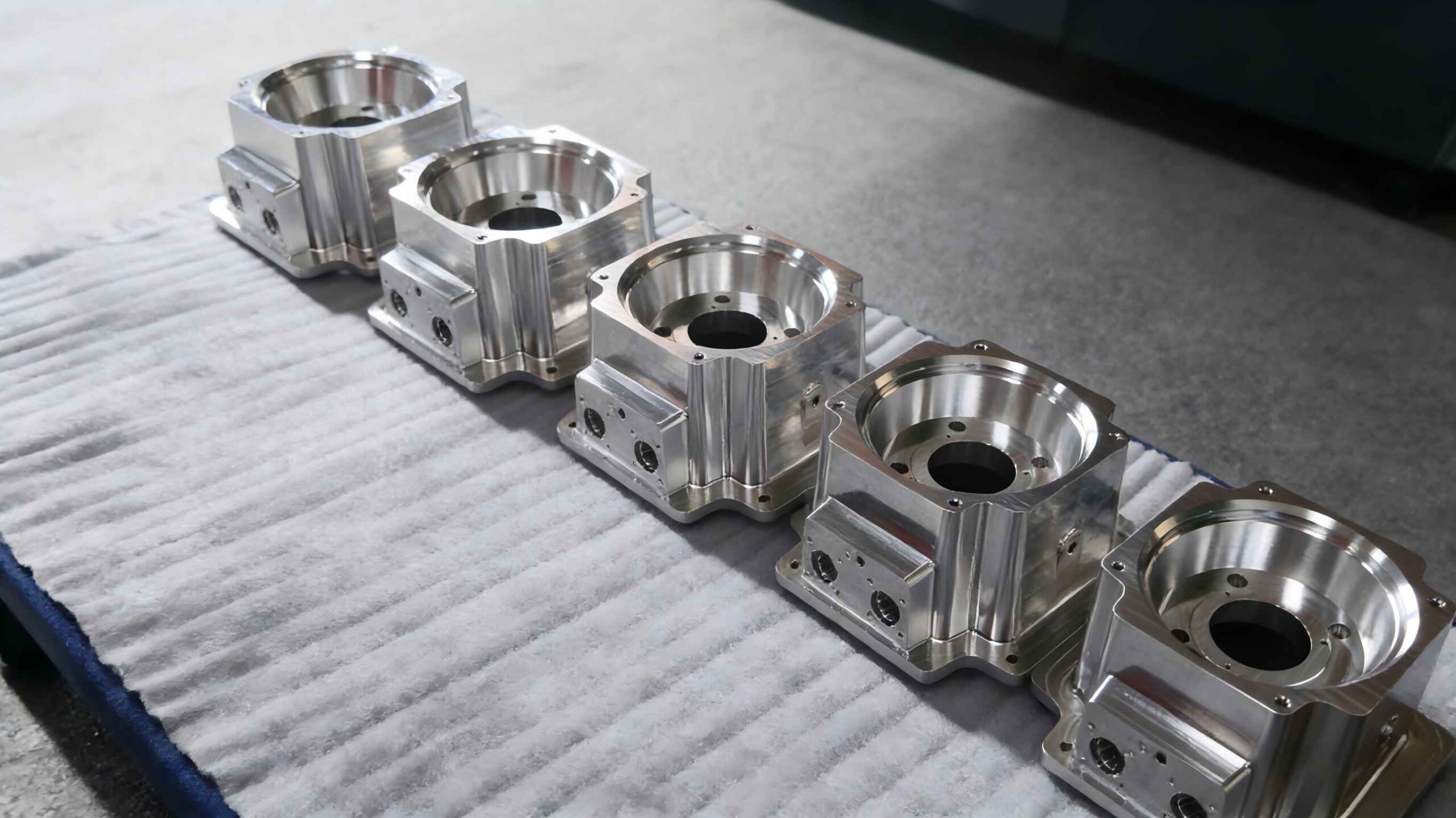
If you are sourcing machined components for semiconductor equipment, send the drawing with the environment and cleanliness notes to the 6CProto CNC team for a process and documentation review before quoting.