

An EV charger housing that cools perfectly in the lab derates in the sun, a power-electronics enclosure that seals against rain traps the heat that shortens the electronics, and a cable entry that looks sealed lets in water after a season of thermal cycling. Charging hardware lives outdoors, carries high power, and must survive both heat and weather for years. CNC machined housings for EV charging and power electronics are thermal, electrical, and sealing structures, and the machining must deliver the flat interfaces, the cooling features, and the precision entry points that the electronics depend on.
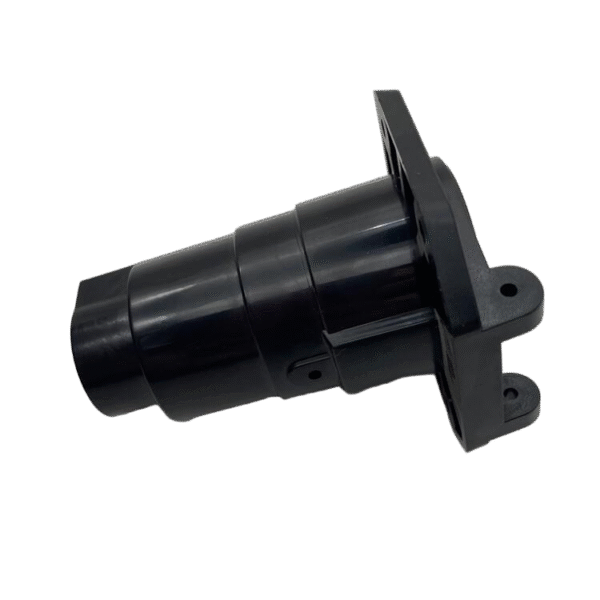
Charging hardware: thermal, electrical, and sealing demands
Charging hardware combines three demanding functions in one box. The thermal demand: power electronics generate heat that must move out through the housing or a heatsink. The electrical demand: high voltage and current need isolation, grounding, and clearance that the mechanical design must provide. The sealing demand: outdoor hardware must keep water and dust out while the electronics breathe or conduct heat through the wall. The three demands conflict — sealing blocks airflow, metal conducts heat but conducts electricity, and cable entries break both the seal and the shielding. The design starts by defining the thermal budget, the electrical isolation requirements, and the ingress target, because the housing geometry follows those three numbers.
The machining task is to deliver the features those requirements create: flat mounting pads for the power stage, machined fins or channels for cooling, precision holes for connectors and cable glands, and datum faces that hold the assembly together under vibration and thermal cycling.
Housing materials for outdoor and high-power electronics
Aluminum dominates charger housings because it conducts heat, is light, machines well, and can be finished for outdoor life. The alloy and finish are chosen for the environment and the thermal path: 6061-T6 is the common structural choice, and the finish — powder, anodize, or a corrosion-resistant system — is selected for the site. Steel appears where strength, magnetic shielding, or cost dominate, and it adds weight and corrosion management. The material choice also affects the electrical design: a metal housing provides shielding and a ground reference, but the isolation of the internal high-voltage sections must be engineered with barriers and clearances rather than relying on the housing alone. The drawing should state the alloy, the finish, and the electrical and thermal notes together, because the housing is a system, not a box.
Thermal interface surfaces deserve special material and finish attention: the pad where the power module mounts must be flat and clean, and the interface material choice affects the thermal path. The machining should hold the pad flatness and finish, and the design should specify the interface material and the mounting torque.
Connector and cable-entry design
The cable entry is where charging hardware fails in the field. High-power cables carry current and heat, and the entry must seal against water while allowing the cable to move and the heat to escape. The design options include cable glands with the right ingress rating, machined entry plates with multiple glands, and busbar or connector interfaces that pass through the wall with a seal. The machining must deliver the entry geometry: the hole pattern, the flat sealing face, the gland thread or the connector cutout, and the clearance for the cable bend. The entry should also be serviceable, because a charger that cannot be opened without breaking the main seal is a charger that leaks after its first service.
The drawing should specify the glands or connectors, the sealing method, and the torque or assembly note, because the field installation depends on them. A machined entry plate with the glands specified is a controlled feature; a hole in the wall with no gland note is a leak waiting for the first rain.
Cooling features: fins, channels, and mounting pads
Cooling is where CNC machining earns its place in charger housings. Machined fins on the exterior increase the surface area for convection and radiation; internal channels or pockets route coolant where liquid cooling is used; and flat mounting pads carry the power modules with a defined thermal interface. The cooling features must be machined to the thermal design: the fin geometry follows the heat load and the airflow, the pad flatness follows the interface material, and the channel layout follows the coolant path. A housing machined with the cooling features integrated avoids the separate heatsink and its interface losses, which is why machined housings appear in high-power charging where every degree of thermal margin counts.
The cooling design should be validated at the operating condition — full load, sun load, and ambient — because the housing that is cool on the bench can still overheat in the field. The machining features are the physical implementation of that thermal design, and the inspection should verify the pad flatness and the fin geometry that the thermal model assumes.
Prototype-to-low-volume path for charging enclosures
Charging hardware often starts as a machined enclosure for validation and moves to a cast, extruded, or sheet-metal construction at volume. The machined prototype validates the thermal, electrical, and sealing design in the real geometry before the production tooling is committed, and the lessons feed the production design. The transition should preserve the features that matter — the pad flatness, the entry geometry, and the sealing faces — and re-validate them in the production process, because casting and sheet metal hold different tolerances and finishes. The prototype-to-low-volume path is smoother when the enclosure design anticipates the production route, with machining planned for the features that the production process cannot hold.
The battery cooling and busbar article covers the cell-level hardware; this page covers the housing and power-conversion side. When the thermal, electrical, and sealing requirements are on the drawing, the machined housing is a validated foundation for the charger’s production life.
Validating the housing before production
The machined prototype is the validation vehicle for the housing system. The thermal test runs the power stage at full load in the machined enclosure at the rated ambient, with the sun load included; the sealing test verifies the ingress rating with the production glands and gaskets; the entry test pulls on the cables and cycles the temperature to find the leak that static sealing misses; and the electrical check confirms the isolation and the grounding with the housing assembled. Each test produces data that feeds the production design: the pad flatness the thermal test needed, the gland torque the seal test set, and the entry geometry the cable test validated. The prototype-to-production handoff should carry that data, because the molded or sheet-metal production housing must reproduce the features the prototype proved. A housing that is validated on the machined prototype and re-validated on the first production parts is a housing that survives the field; one that skips the transition test inherits every assumption into the production run.
The same validation logic applies to the low-volume production route. If the charger is produced in machined enclosures for a pilot or a low-volume market, the pilot run should confirm the machining, the finishing, and the assembly are repeatable at the production quantity, and the first-article report should verify the features the validation depended on. If the volume later justifies casting or sheet metal, the production tooling is a design change — the material, the wall, and the finish differ — and the housing is re-validated before the new route ships. The thermal, sealing, and entry requirements do not change with the process; only the geometry that meets them does. The program that keeps the requirement on the drawing through every route change is the program that keeps the housing honest from prototype to production.
The drawing that carries the housing requirements is the one the shop can machine and the test team can verify. It should state the thermal budget and the interface surfaces, the ingress rating and the sealing features, the connector and gland specifications, and the electrical isolation and grounding notes. The critical machining features — the pad flatness, the entry geometry, and the sealing faces — are marked with their tolerances and their inspection method, and the finish is specified for the site. When the drawing is complete, the machining quote reflects the real work, the first article is inspected against the functional features, and the housing test verifies the system the drawing describes. The difference between a machined box and a charging housing is in the notes: the thermal, electrical, and sealing requirements turn the geometry into a system, and the system is what survives the field.
Keep the housing requirement file with the drawing: the power level, the ambient and sun-load temperature, the ingress rating, the isolation class, and the test method. When the file travels with the part, the shop, the finisher, and the test lab all reference the same requirement, and the housing is specified as a system rather than a box.
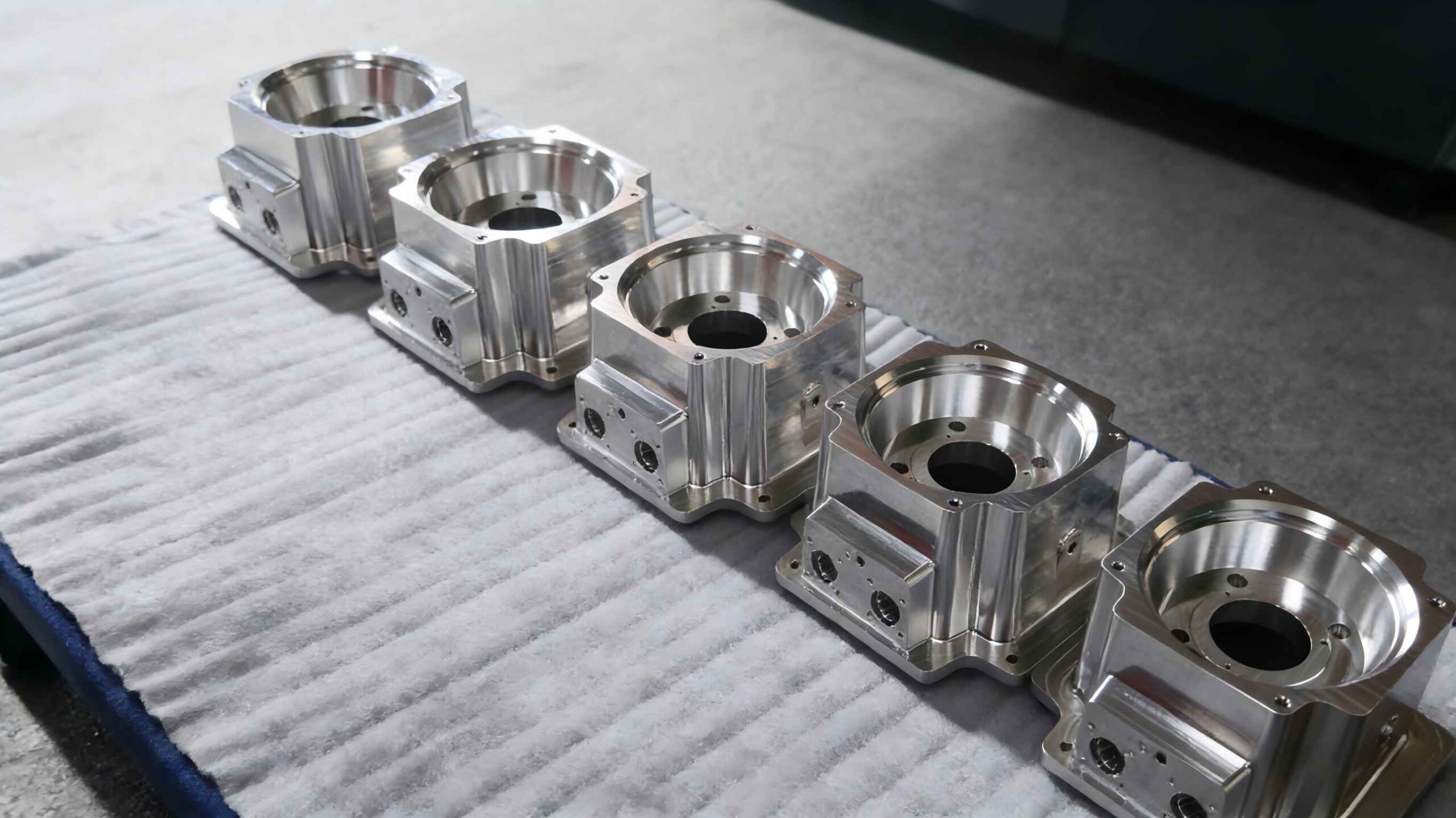
If you are developing a charging or power-electronics housing and want the thermal, sealing, and entry design reviewed before machining, the 6CProto CNC team can work from your power and site requirements to the housing and the test plan.