

Explore CNC Design & Material Selection
Product teams reach for ABS plastic because it balances toughness, appearance, and process flexibility: you can CNC a housing this month and injection-mold the same geometry later. That flexibility becomes a liability when drawings never name the grade, when heat near a motor exceeds ABS limits, or when a painted Class A surface was never discussed in DFM. This guide helps engineers decide when ABS belongs on a CNC router or mill, when ABS injection molding is the production path, and which specification details keep China on-demand quotes honest.
Why teams specify ABS in the first place
ABS offers a practical toughness-to-cost profile for housings.
Acrylonitrile butadiene styrene is an amorphous engineering thermoplastic used widely for enclosures, consumer-facing covers, and many functional prototypes. Educational material pages such as Sybridge’s ABS overview and Prototek’s ABS primer describe the familiar strengths: impact resistance relative to many commodity plastics, decent dimensional behavior for enclosures, and surfaces that accept painting or plating with proper prep. It is not a high-temperature polymer and it is not automatically UV-stable outdoors without the right package.
Name the grade (general purpose, high impact, plating grade, flame-rated if required) rather than writing only “ABS” on the title block.
CNC machining ABS: when chips beat molds
Machine ABS when quantity is low and geometry still moves.
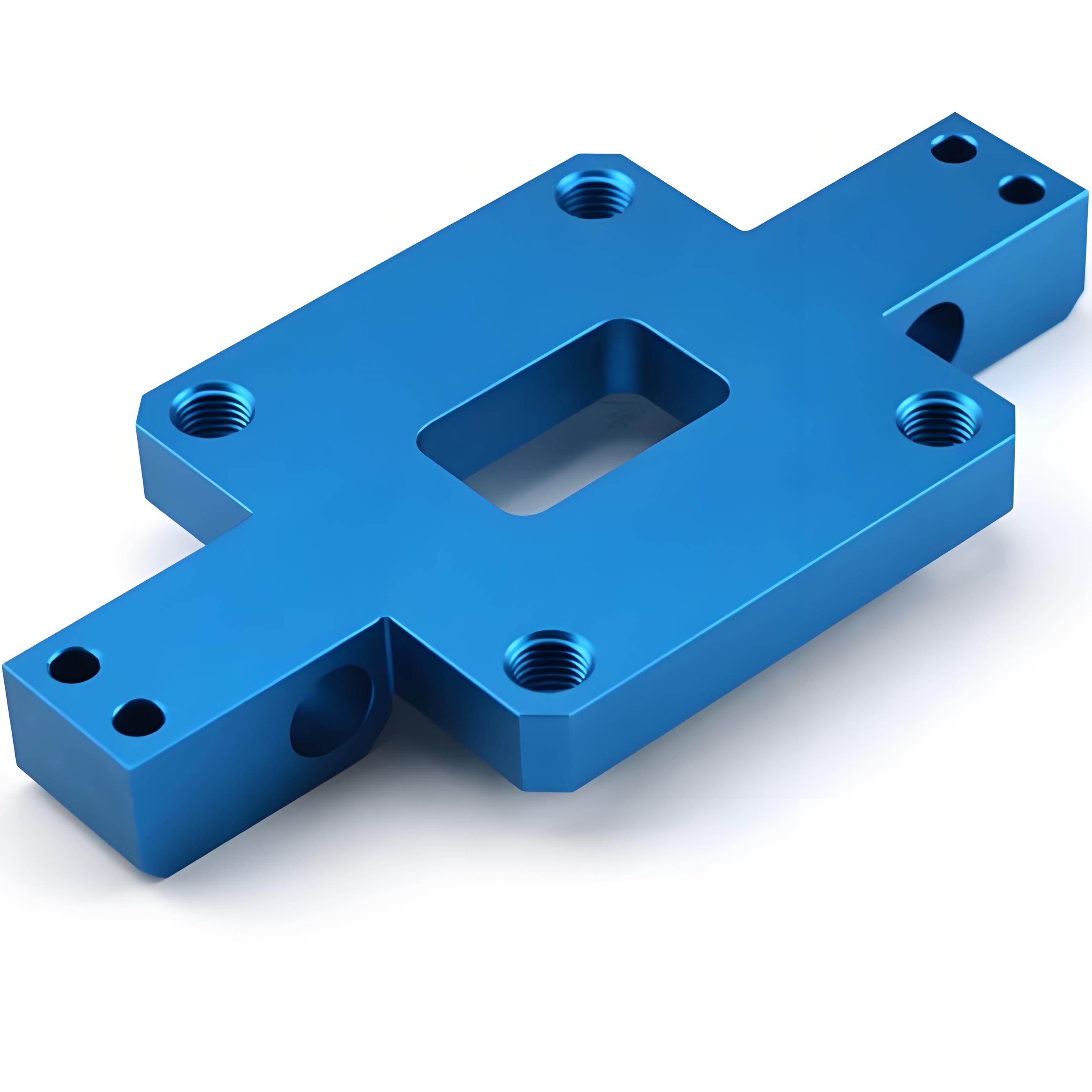
Plate and rod stock let you cut bosses, pockets, and snap features without tooling. CNC ABS is ideal for abuse testing screws, checking connector interference, and validating assembly sequence with production-intent stiffness better than many printed resins. Watch heat: dull tools smear ABS; aggressive feeds can melt edges. Leave paint stock if cosmetics matter, and avoid ultra-thin ribs that chatter.
Use ABS material notes alongside CNC machining when you request plate-stock parts. If the production intent is molded ABS, say so—some draft and fillet choices differ between milled and molded versions.
ABS injection molding: DFM that protects cosmetics and snaps
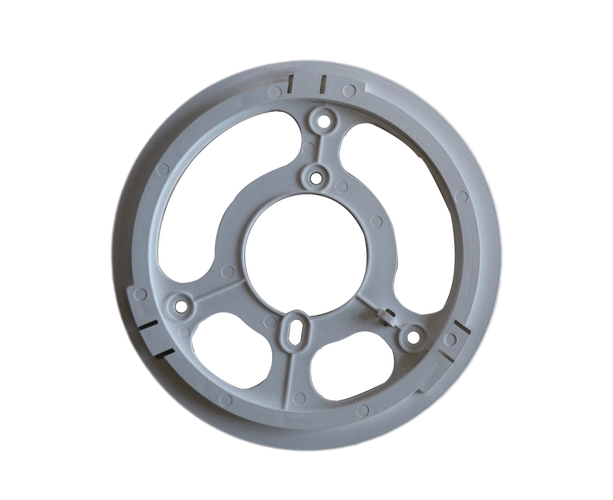
Molded ABS rewards uniform walls and honest draft.
Aim for consistent nominal walls; use ribs to stiffen instead of thick sections that sink. Provide draft on cosmetic faces and around snaps. Gate locations should be planned against knit lines on A-surfaces. Texture and SPI finish belong in the RFQ, not in a late email. For ABS injection molding quotes, include color method (masterbatch vs precolor), allowable regrind rules, and whether plating or paint follows.
Plastic injection molding and low-volume injection molding cover bridge-to-production paths when you need more than a handful of CNC housings.
ABS vs nearby resins: when to switch
Change resin when heat, clarity, or chemical exposure demands it.
PC or PC/ABS may be better for higher impact or heat near electronics. PC brings clarity options ABS lacks. Nylon may win for wear or elevated temperature but brings moisture absorption. POM suits precision gears more than large cosmetic covers. Essentra-style comparison articles (for example PVC vs ABS discussions) remind buyers that “similar black plastic” is not a specification—environment is. If outdoor UV is real, ask for an UV-capable grade or a coating strategy rather than hoping indoor ABS survives.
Document the decision in the requirements table so a future buyer does not “save money” by swapping to an unfit commodity ABS.
Finishing ABS: paint, plate, bead blast, and EMI coats
Surface plans belong in the first RFQ.
ABS can be painted and, with proper grades and prep, plated for decorative or functional metal looks. EMI coatings and vapor deposition appear on electronics covers—cleanliness and adhesion tests matter. CNC parts and molded parts do not always accept finishes identically; validate on the process you will ship. If only the pilot units are painted, say so, so production tools are not over-polished for a finish you will drop.
Heat, flammability, and regulatory callouts
Write the limits you actually need.
ABS softens at temperatures that many motor-adjacent or enclosed electronics environments can exceed. If your customer requires a flame rating, name the method and level; do not assume every ABS pellet qualifies. Cabin odor/VOC or food-contact claims are separate standards—omit them unless required, and never imply compliance you have not verified. SAE and related standards libraries (SAE standards) are starting points when mobility programs impose material norms.
Bridging CNC ABS to molded ABS without redesign thrash
Keep a dual-process design ruleset.
Use molded-friendly draft and wall rules even on CNC prototypes when production will mold. Avoid sharp internal corners that are easy to mill but hard to eject. Screw bosses should follow molded boss guidelines early. A short internal checklist—”CNC now / mold later”—prevents a beautiful milled prototype that cannot be tooled without a reshape.
RFQ checklist for ABS parts
Send grade, process path, cosmetics, and volumes together.
Include: ABS grade or approved alternates; CNC plate vs molded intent; color and texture; secondary finishes; critical snaps/dimensions; annual volume; and test plans (drop, UL if any, thermal soak). Upload via Request a Quote. Clear ABS RFQs reduce the classic surprise where a molder assumes commodity resin and a CNC shop assumes a plating-grade plate you never stocked.
Machining parameters mindset for ABS plate
Think chip evacuation and melting—not metal feeds.
ABS likes sharp cutters, adequate coolant or air blast, and climb strategies that avoid rubbing. Tight pockets can trap heat; redesign or add escape paths when possible. Thread mills often beat form taps in soft plastics for clean threads. For transparent-adjacent cosmetics on opaque ABS, tool marks still show under gloss paint—budget finishing. If dimensional stability through a thermal cycle matters, machine, then stress-relieve only if your material supplier recommends a process you can validate—do not invent anneal recipes.
Stock selection matters: extruded plate can carry residual stress; ask the machinist to note warpage risk on thin large covers. Sometimes a slightly thicker wall that is molded later is cheaper than fighting a floppy CNC panel.
Moisture, storage, and shop-floor handling
ABS is not as thirsty as nylon, but cosmetics still care.
Keep pellets and painted parts away from dust and fingerprint oils when EMI coats or adhesives follow. For molded ABS, processors routinely dry pellets; for CNC plate, store flat and protected so bow does not enter the first setup. Label bags with grade and lot when multiple ABS types coexist in a pilot build—swapping high-impact and plating grades by accident creates adhesion failures that look like “vendor quality” problems.
Assembly features: snaps, ultrasonic welds, and screws
Design the joint for the process you will ship.
CNC ABS snaps can be tuned quickly with hand mods; molded snaps need draft and uniform freeze. Ultrasonic energy directors should be designed for molding, not carved ad hoc on a milled clone unless you accept they are temporary. Screw bosses need enough diameter and fillet for molded knit integrity—copy molded boss guidelines even on CNC pilots when the end state is ABS injection molding.
Thermal and chemical boundary conditions for ABS
Write the environment numbers you already know.
If the enclosure sits near a motor driver that runs at a measured air temperature, put that temperature and duration on the requirements sheet. If cleaners include alcohols or oils, list them. ABS that survives a desk prototype can craze under the wrong solvent wipe at a factory. When limits exceed ABS, escalate to PC/ABS or other polymers early so tool shrink assumptions stay correct.
For painted ABS, confirm the paint system’s bake temperature will not distort thin CNC or molded walls. A process window table in the RFQ prevents finishing vendors and molders from guessing.
Cost comparison mindset: CNC ABS vs soft tool vs steel
Pick the economic horizon, not the cheapest invoice.
Ten CNC ABS housings may beat a soft tool if the design will change twice. Two hundred soft-tooled housings may beat CNC once snaps freeze. Multi-cavity steel wins when demand and geometry are stable. Chart those three columns with real quotes rather than folklore. Include finishing in each column—paint can dominate either path.
Painting and adhesion test protocol (practical)
A simple cross-hatch plan beats opinions.
Agree on substrate cleaning, primer if any, paint system, cure, and adhesion test method before pilot builds. Run the test on both CNC plate and molded plaques when both processes are in play. Record lot numbers of paint and ABS. When adhesion fails, you will know whether to blame grade, mold release, or paint—not each other.
How to vet an ABS CNC or molding supplier in one call
Ask how the shop will fixture, inspect, and document the first article.
Request a short process traveler outline: incoming material check, machine type assumptions, in-process checks, finishing handoff, and final pack. Vendors who cannot describe that path will struggle when revisions hit. Compare two quotes only after those assumptions are written. For China on-demand partners, also confirm English technical communication channels and who owns DFM replies when the primary engineer is offline.
Conclusion
ABS plastic earns its place when toughness, cosmetics, and process flexibility matter more than high heat or outdoor UV without protection. CNC ABS accelerates learning; ABS injection molding scales the frozen design. Specify the grade, finish, and environment explicitly, and keep molded DFM rules in mind even while you are still milling plates.
Next step: Share ABS CAD for CNC or molding DFM via Request a Quote, projects@6cproto.com, or WhatsApp +86 180 2219 4001.
FAQ
Can the same ABS CAD be used for CNC and molding without changes?
Often with minor adjustments. Add draft, revisit ultra-thin milled ribs, and confirm gate-friendly geometry before tooling. Plan those changes deliberately rather than discovering them at T1.
Is ABS good for outdoor enclosures?
Standard indoor ABS is a weak outdoor choice without UV packages or coatings. Confirm weathering requirements and resin additives before locking cosmetics.
How does ABS compare with PLA printed prototypes?
Printed PLA answers form quickly but not ABS-like toughness or heat. For mechanical enclosure tests, CNC ABS or molded ABS is the more meaningful surrogate.
What tolerances are realistic on molded ABS housings?
It depends on size, gate, and packing. Put critical dimensions on the drawing and discuss capability in DFM instead of copying metal tolerances onto plastic.
Do you need drying equipment notes in the RFQ?
If you mandate a specific moisture-sensitive blend or tight cosmetics, ask the processor to state drying practice. For many ABS jobs it is routine—but assumptions should still be visible.