

Explore Injection Molding Assembly & Process Control Guides
Silver streaks on an ABS cover can trigger a dryer adjustment before anyone checks the material at the machine. If the streaks disappear, the team may call the issue solved even though several process settings changed together. ABS injection molding moisture investigations need stronger evidence: identify the resin, measure its condition and connect the observed defect to a controlled trial.
Appearance alone does not uniquely identify moisture. The same practical investigation must leave room for air, contamination and thermal or shear related effects. Drying remains important, but a dryer display is evidence about equipment operation, not a direct measurement of the pellets entering the screw.
For a buyer reviewing trial parts, the useful deliverable is a traceable relationship between material handling, process condition and finished acceptance. Ask which samples were molded from which material state, what changed between trials and what remained constant. That record supports a reproducible release decision and avoids requesting a mold alteration to correct a problem that originates upstream of the cavity.
Distinguish moisture from other splay causes
Treat splay as an observation first and a diagnosis second. Photograph its position, direction and severity under consistent lighting, then record whether it appears on every cavity, after a restart or only during a particular production interval. Those patterns help frame a test but do not prove a cause by themselves.
Eastman’s copolyester troubleshooting guide distinguishes moisture, air, contamination, heat and shear related splay. Its resin specific corrective settings do not transfer to ABS; the useful lesson here is that a streaked surface is not a unique moisture test. Avoid changing ABS temperatures to values intended for a different polymer.
Separate the material question from the tooling question. If a defect follows a suspect material feed across otherwise unchanged conditions, investigate that route. If it remains localized to a cavity feature, inspect the relevant flow and venting conditions as well. Preserve the baseline parts before polishing a surface or modifying a gate, because such changes can remove evidence without establishing why the streak occurred.
Keep the defect map tied to cavity identification; combining all cavities in one reject count can hide a local mechanism.
Grade specific drying requirements
Use the current processing instructions for the exact ABS grade, color system and permitted regrind mixture. A generic ABS label does not identify the supplier’s complete drying window or the moisture criterion that controls processing. Record the document revision with the trial so later substitutions can be reviewed against the same requirements.
Autodesk’s ABS material guidance explains that ABS grades are hygroscopic and provides general processing information. It also describes substantial variation among commercial grades. That overview is a reason to obtain grade specific instructions, not permission to treat one published temperature as a universal production setting.
The drying record should include time, temperature, air condition and material quantity or throughput where relevant. Confirm whether the stated residence time represents material actually exposed to the intended conditions. Fresh material entering a hopper does not inherit the time already accumulated by earlier pellets. When grade instructions are missing, resolve them with the resin supplier before a trial result is promoted into a permanent process specification.
If the color concentrate or regrind changes, record the new combination and confirm whether the original drying instructions still cover it.
Material handling after drying
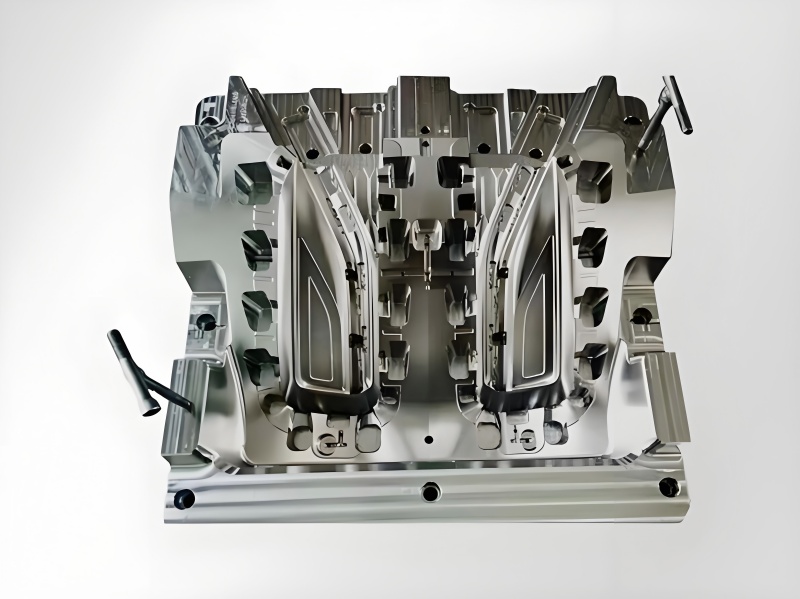
Dry material can change condition between the dryer and the screw. Examine transfer lines, intermediate containers, hopper covers, shutdown periods and open handling. Identify the exposure interval rather than assuming that material remains in its dryer exit state indefinitely.
Novatec’s dew point discussion distinguishes the drying air condition from the other operating factors needed for effective drying. For this investigation, record where the air was measured and how the material moved afterward. A satisfactory dryer reading cannot establish that an open container or an unprotected feed path preserved the same pellet condition.
Keep virgin resin, regrind and color additions traceable. If one stream bypasses the established handling route, it can confound a trial that appears to compare only drying conditions. Use a sampling point close enough to consumption to describe the material that made the identified parts. Document the elapsed time from sampling to measurement and protect the sample so the test does not mainly measure exposure introduced during collection.
After a planned stoppage, identify the material remaining in the feed path and verify its condition before assigning restart samples to production.
Document evidence before changing the process
Capture the baseline before changing the process. Record resin lot, blend, dryer history, sampling location, moisture result, machine settings, cavity identification and shot sequence. Keep acceptable and rejected examples under one inspection method so the trial does not depend on memory of a previous surface.
Choose a moisture method appropriate to the resin and required range. METTLER TOLEDO’s plastic moisture analysis information notes that volatile components can affect loss in weight measurements. A reported mass loss therefore needs a qualified method and interpretation; it should not automatically be described as water alone for every formulation.
Record the instrument method, sample preparation and acceptance criterion with the result. The number is less useful without those conditions. Before adjusting a mold, compare the material evidence with the defect timing and location. For prototype molding trials, preserve the link between each process condition and its sample group so a later reviewer can reconstruct what the trial actually demonstrated.
Collect comparison samples using the same container and handling sequence, because inconsistent sampling can create an apparent process difference before testing begins.
Separate resin moisture records from cosmetic acceptance
Define cosmetic acceptance independently of the moisture criterion. One controls the finished appearance; the other controls a material condition relevant to processing. A part can meet an appearance limit while the material record remains incomplete, or fail appearance despite acceptable measured moisture.
| Controlled item | Evidence to record | Interpretation limit |
|---|---|---|
| Resin state | Grade, lot, blend and qualified moisture result | Does not identify every splay cause |
| Drying | Time, temperature and air condition | Does not prove condition at the screw |
| Appearance | Viewed zone, lighting and boundary samples | Does not prove material properties |
| Dimensions | Datum, conditioning and measurement method | Does not establish cosmetic acceptance |
Use drawings and boundary samples to identify the inspected zones. The public scope of ASME Y14.5 concerns consistent geometric requirements; cosmetic conditions still need their own agreement. Keep that separation visible in the trial report so a single pass label does not conceal an untested requirement.
Trace controlled ABS trials through transition shots
Begin with a stable baseline and a defined question. For example, compare material verified under the approved drying and handling route with the suspect feed condition while holding the agreed molding settings constant. This is a proposed investigation structure, not a report of a customer experiment.
Allow the preceding material state to clear the system before identifying samples as belonging to the new condition. Document the transition rather than selecting the first good looking part. Identify the number and sequence of inspected shots through the trial plan, with enough coverage to investigate the observed intermittency.
If the defect persists after the material condition is established, investigate another cause deliberately. Change one relevant factor or use a designed experiment that can separate its effects. Avoid simultaneous gate, temperature, speed and drying changes that leave no interpretable comparison. Record any interruption or unplanned adjustment. A trial with an uncontrolled event can still be informative, but its limitations should guide the next run rather than disappear from the release record.
When a suspect feed is removed, record the transition shots separately so residual material is not mistaken for failure of the new condition.
Check cover dimensions, appearance and function separately
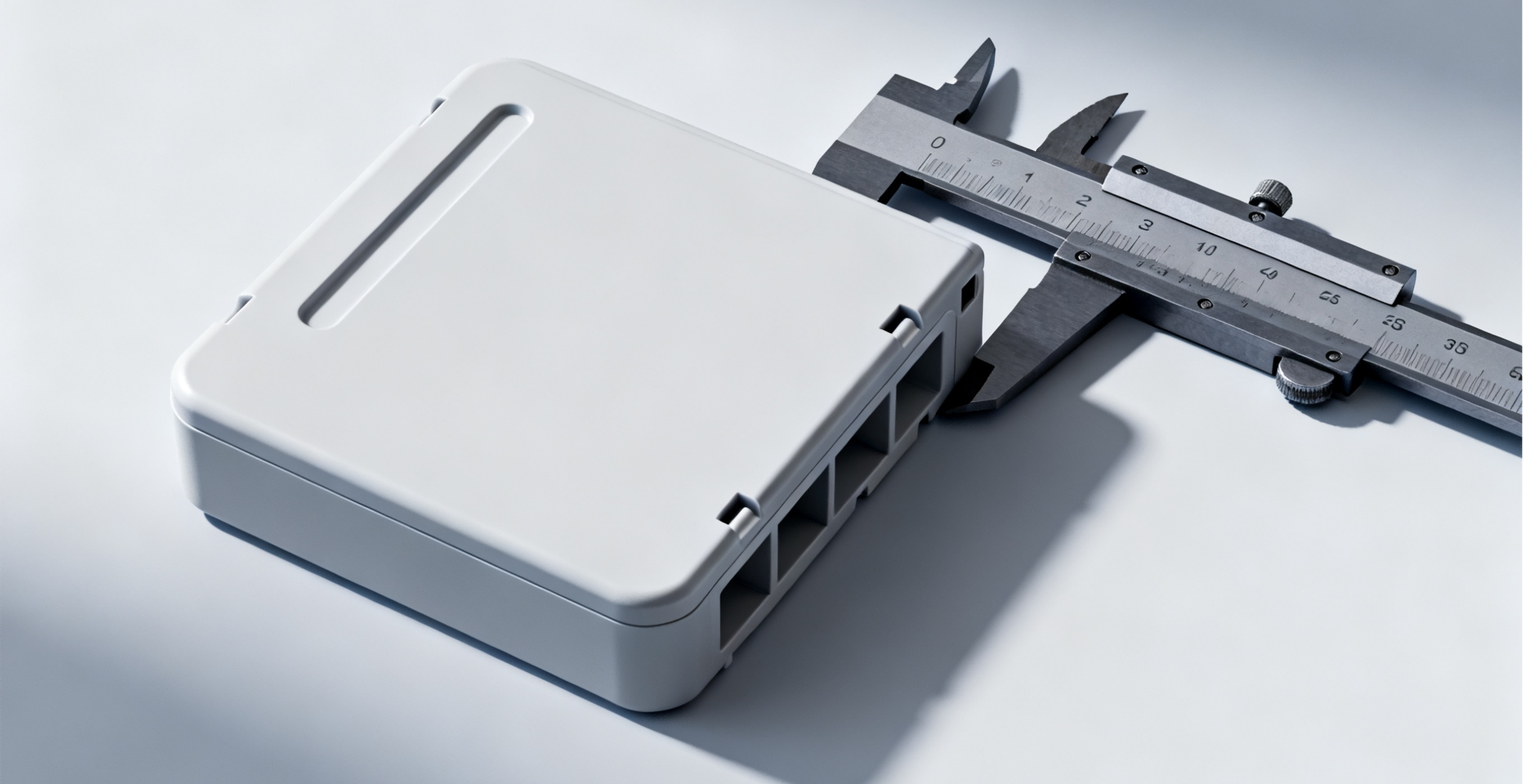
Inspect dimensional, cosmetic and functional characteristics separately after the specified conditioning. Establish whether the surface limit concerns visible streaks, gloss variation, local discoloration or another defined feature. Use the same viewing conditions for baseline and trial samples.
A dimension should be measured from the drawing references with the part supported appropriately. Renishaw’s metrology fixturing overview describes repeatable setups for contact and vision inspection. For a molded cover, ensure that holding does not flatten a free state feature unless the drawing calls for that restrained condition.
Functional checks should reflect the product requirement, such as mating, latch operation or a specified load test. Do not infer those results from a cleaner surface. Connect them to the agreed inspection requirements. If the investigation altered the thermal or filling history, assess which product characteristics need rechecking rather than limiting approval to the cosmetic symptom that first brought attention to the process.
Release the validated ABS handling and molding route
Release the process when the material route is documented, the selected condition is reproducible and the required finished characteristics pass. Identify the permitted grade, blend, handling route and relevant operating boundaries. Also state which changes trigger renewed verification.
Keep unresolved questions specific. A missing moisture method, uncertain exposure time or unapproved regrind source is more actionable than a note saying that drying needs improvement. Assign the missing evidence to the next trial instead of treating additional drying time as a substitute for it.
Where a mold change is proposed, show why material and process evidence no longer explain the symptom. Connect any approved modification to the tooling revision review, then verify the affected characteristics on identified samples. A successful short run demonstrates the tested condition; production release also needs the controls that preserve that condition during replenishment, stops and restarts. Keep the acceptance report attached to its actual revision rather than a general material family name.
A released control should also specify the response to a missed handling limit: hold the material, establish its condition and authorize the next step.
FAQ
Can silver streaks prove that ABS was too wet?
They can justify investigating moisture, but visual streaks do not uniquely identify the mechanism. Preserve samples and record where and when the streaks occur. Check the actual resin state using a qualified method, then compare controlled trial conditions. Air, contamination and thermal or shear effects may require separate investigation. A dryer adjustment followed by improved appearance is useful evidence, but several simultaneous changes prevent a clear conclusion about the original cause.
Does a low dryer dew point prove the pellets are ready?
Dew point describes the air at the measurement location. It does not independently establish pellet temperature, exposure time, airflow through the material or moisture at the machine feed. Review those conditions together and protect the material after drying. If pellet condition controls release, use the agreed sampling and measurement method near the relevant consumption point. Record handling delays so the result remains connected to the material used in the trial.
Can a moisture result from one ABS grade control another grade?
Do not assume it can. Grade, color and additives can affect processing instructions and the interpretation of a moisture measurement. Obtain the relevant supplier guidance and qualify the test method for the formulation and required range. Record both the acceptance criterion and method revision. A common polymer family name can support initial planning, but it does not make different formulations interchangeable in the material specification or production release record.
Conclusion
Close the investigation with evidence about both the material and the finished part. The resin condition, drying history, transfer route and trial sequence should identify what entered the machine and which samples it produced. Appearance, dimensions and function then need their own acceptance results.
If moisture is supported as the cause, release the controls that preserve the validated material condition. If it is not, retain the baseline and investigate the next mechanism without forcing every streak into a drying explanation. For a manufacturing review with 6CProto, submit the ABS grade, defect samples and trial acceptance requirements for quotation. Include the handling and measurement evidence so the next proposal addresses a defined problem rather than an uncertain cosmetic label.
{“@context”: “https://schema.org”, “@type”: “FAQPage”, “mainEntity”: [{“@type”: “Question”, “name”: “Can silver streaks prove that ABS was too wet?”, “acceptedAnswer”: {“@type”: “Answer”, “text”: “They can justify investigating moisture, but visual streaks do not uniquely identify the mechanism. Preserve samples and record where and when the streaks occur. Check the actual resin state using a qualified method, then compare controlled trial conditions. Air, contamination and thermal or shear effects may require separate investigation. A dryer adjustment followed by improved appearance is useful evidence, but several simultaneous changes prevent a clear conclusion about the original cause.”}}, {“@type”: “Question”, “name”: “Does a low dryer dew point prove the pellets are ready?”, “acceptedAnswer”: {“@type”: “Answer”, “text”: “Dew point describes the air at the measurement location. It does not independently establish pellet temperature, exposure time, airflow through the material or moisture at the machine feed. Review those conditions together and protect the material after drying. If pellet condition controls release, use the agreed sampling and measurement method near the relevant consumption point. Record handling delays so the result remains connected to the material used in the trial.”}}, {“@type”: “Question”, “name”: “Can a moisture result from one ABS grade control another grade?”, “acceptedAnswer”: {“@type”: “Answer”, “text”: “Do not assume it can. Grade, color and additives can affect processing instructions and the interpretation of a moisture measurement. Obtain the relevant supplier guidance and qualify the test method for the formulation and required range. Record both the acceptance criterion and method revision. A common polymer family name can support initial planning, but it does not make different formulations interchangeable in the material specification or production release record.”}}]}