Michael Wang

Founder & Mechanical Engineer

As the founder of the company and a mechanical engineer, he has extensive experience in advanced manufacturing technologies, including CNC machining, 3D printing, urethane casting, rapid tooling, injection molding, metal casting, sheet metal, and extrusion.

Table Of Contents

Sheet metal fabrication is a cornerstone of modern manufacturing. From the sleek body of a car to the sturdy casing of electronics, and even the structural components in buildings, countless everyday items rely on precisely fabricated sheet metal parts. This process involves transforming flat metal sheets into functional or decorative components through a variety of specialized techniques.
The importance of sheet metal fabrication in today’s industrial landscape cannot be overstated. It offers a perfect balance between strength, cost-efficiency, and versatility, making it indispensable in sectors such as automotive, aerospace, electronics, construction, and consumer appliances. Whether producing small batches of customized components or large-scale industrial parts, sheet metal fabrication continues to drive innovation and efficiency in manufacturing.
Sheet Metal Fabrication Process

What is Sheet Metal Fabrication?

Sheet metal fabrication refers to the process of shaping, cutting, and assembling metal sheets into functional components or finished products. Unlike machining solid metal blocks, fabrication uses thin sheets of metal, making it cost-effective and lightweight while still maintaining structural strength.

Common materials used in sheet metal fabrication include:

  • Stainless steel
  • Carbon steel
  • Galvanized steel
  • Aluminum
  • Copper

The choice of material depends on factors such as corrosion resistance, strength, weight, and cost. Additionally, sheet metal is classified based on thickness—thin sheets are generally under 3 mm, while thicker plates are over 6 mm, used for structural or heavy-duty applications.

Key Processes in Sheet Metal Fabrication

Sheet metal fabrication is a multi-step process involving several core techniques. Each process contributes to transforming a flat sheet into a complex component.

1.Cutting

Cutting is the first and most crucial step, where sheets are trimmed to the desired size or shape. Common cutting methods include:

  • Laser cutting: High precision and ideal for complex patterns
  • Plasma cutting: Suitable for thicker sheets and quick operations
  • Shearing or stamping: Efficient for simple, straight cuts in high-volume production

2. Bending

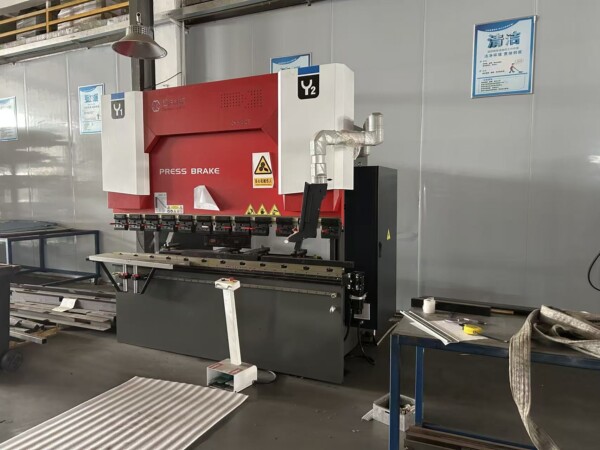
Bending gives sheets the required angles and curves. CNC press brakes and rolling machines are commonly used to achieve precise bends. Bending must consider material thickness and grain direction to avoid cracks or distortion.

3. Punching

Punching creates holes or cut-outs in the metal sheet using a press and a die. This process is widely used for mounting brackets, vent holes, and other functional designs.

4. Welding & Joining

Many fabricated sheet metal products consist of multiple components that must be joined together. Common joining methods include:

  • MIG/TIG welding: Strong and reliable for structural parts
  • Spot welding: Fast for thin sheets
  • Riveting or screwing: Useful for removable assemblies

5. Assemblies

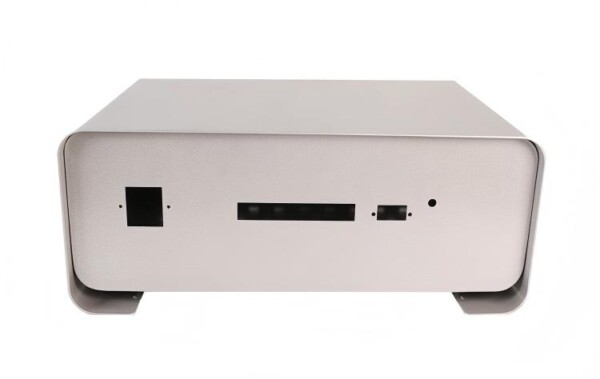
Assemblies involve combining multiple fabricated parts into a complete product. This can include welding, riveting, screwing, or using adhesives. Proper assembly ensures structural integrity and allows for functional designs such as electrical enclosures, HVAC ducts, or automotive frames.

6. Forming

Forming techniques like deep drawing or stretching allow the sheet to take complex three-dimensional shapes, commonly used for items such as metal panels, automotive body parts, or kitchen sinks.

7. Surface Treatment

Surface treatments enhance both appearance and durability. Options include:

  • Powder coating or painting for corrosion resistance
  • Anodizing for aluminum parts
  • Electroplating for aesthetic finishes and additional protection

Applications of Sheet Metal Fabrication

Sheet metal fabrication has a vast range of applications across industries:

  • Automotive Industry: Body panels, engine covers, brackets, and chassis components
  • Electronics & Electrical Equipment: Enclosures for computers, servers, and electrical cabinets
  • Construction: Structural beams, metal cladding, HVAC ducts, and decorative panels
  • Household Appliances: Refrigerators, ovens, washing machines, and microwave housings
  • Aerospace & Defense: Lightweight frames, structural supports, and heat shields
  • Medical Devices: Instrument housings, support brackets, and sterilizable trays

This versatility demonstrates how essential sheet metal fabrication is for both industrial and consumer products.

Advantages of Sheet Metal Fabrication

Choosing sheet metal fabrication offers several key advantages:

  • Strength and Durability: Properly fabricated metal sheets can withstand heavy loads and resist wear.
  • Cost-Efficiency: Material usage is optimized, and high-volume production reduces per-unit costs.
  • Design Flexibility: Custom shapes, sizes, and assemblies are achievable with minimal tooling changes.
  • Lightweight Solutions: Especially with aluminum and thin steel, weight savings are significant for automotive and aerospace applications.
  • Enhanced Aesthetics and Corrosion Resistance: Surface treatments can improve appearance and longevity.

Design & Engineering Considerations

Successful sheet metal fabrication begins at the design stage. Several factors must be considered:

  • Material Selection: Different metals affect strength, weight, and cost. Corrosion resistance may dictate stainless steel or aluminum.
  • Tolerance and Precision: High precision is critical for parts that fit together, especially in assemblies.
  • Bend Allowances: Engineers must calculate how metal stretches or compresses during bending.
  • Assembly Method: Welding, riveting, or screwing choices impact strength and manufacturing workflow.
  • Aesthetic and Functional Design: Surface finishes, edge treatments, and holes must be designed for both function and appearance.

Good design reduces waste, improves assembly efficiency, and ensures the final product meets both performance and visual standards.

Challenges & Considerations

While sheet metal fabrication is versatile, there are challenges:

  • High Initial Equipment Cost: CNC machines, lasers, and presses require significant investment.
  • Design Complexity: Complex shapes may require multiple processes, increasing time and cost.
  • Material Limitations: Some metals are prone to warping or cracking during bending or forming.
  • Quality Control: Maintaining consistency across large batches requires inspection and testing.

Understanding these challenges allows manufacturers and engineers to plan production efficiently.

Future Trends in Sheet Metal Fabrication

The sheet metal industry continues to evolve with new technologies:

  • Automation and Smart Manufacturing: Robots, CNC machines, and automated welding increase speed and precision.
  • 3D Printing Hybrid Solutions: Combining additive manufacturing with sheet metal processes enables rapid prototyping and complex designs.
  • Sustainability: Recyclable materials, waste reduction, and environmentally friendly coatings are gaining importance.
  • Digital Simulation: CAD/CAM software allows for precise modeling of bends, stresses, and assembly fit before production.

These trends promise faster production, reduced costs, and more innovative designs in the coming years.

Conclusion

Sheet metal fabrication is a vital process in modern manufacturing, providing strength, flexibility, and cost-efficiency across numerous industries. Its combination of cutting, bending, forming, welding, and assembly techniques allows for the creation of everything from automotive parts to electronics enclosures and architectural elements.

As technology advances, automation, 3D hybrid manufacturing, and sustainable practices are shaping the future of sheet metal fabrication. For businesses and engineers looking to produce custom, durable, and precise components, understanding and leveraging these fabrication techniques is essential.

Whether for large-scale industrial projects or small custom parts, sheet metal fabrication remains a cornerstone of modern production, combining innovation, efficiency, and versatility.

At 6CProto, we are your trusted partner in sheet metal manufacturing. From prototype development to small-batch production and large-scale orders, we provide high-quality, precise, and reliable fabrication services. If you’re looking for a partner to bring your metal design ideas to life, contact us today and let’s create solutions together.

Latest Post

  • Vacuum casting plastic prototype parts compared with injection molding machine used for mass production

    Vacuum Casting VS Injection Molding: How to Choose the Right Manufacturing Process from Prototype to Production

  • The Advantages of Rapid Manufacturing Over Traditional Manufacturing Methods

    Why Rapid Manufacturing Outperforms Conventional Manufacturing?

  • Vintage manual milling machine and early CNC control panel in an industrial workshop, representing the history and evolution of CNC machining

    History of CNC Machining: The Origins and Development of Computer Numerical Control

  • Injection molding process diagram showing clamping, injection, cooling, and ejection stages

    The Ultimate Guide to Injection Molding: Process, Types, Advantages & Applications

  • Comparison chart of 3D printing processes including FDM, SLA, SLS, and MJF

    How to Choose the Right 3D Printing Process: An Analysis of Pros and Cons

  • Three-Axis CNC Machining Process

    What is CNC Machining?A Complete Guide to Processes,Advantages,and Applications

  • How Can You Effectively Optimize 5-Axis DFM for Cost and Efficiency?

  • How Can You Choose the Best Global 5-Axis Supplier Today?

  • How Does Instant 5-Axis Quote Improve RFQ Speed?

  • What Is Direct Part Manufacturing and How Does It Work?