

Explore Injection Molding Assembly & Process Control Guides
Freezing a resin grade after the cavity is cut is how medical programs burn tooling budget twice. Decisions about medical grade plastic selection injection molding happen upstream of steel: the device documentation usually names an approved list, and that list drives shrinkage assumptions, gate design, wear life and the width of the process window you can later validate. Designers who pick a “similar” molding-friendly grade without updating the controlled material callout create a change-control event before first article.
This page focuses on how a constrained resin list reshapes cavity design, filler wear, biocompatibility versus moldability, and what to freeze before first article. It does not restate the medical-versus-industrial tooling comparison; that overview lives under medical tooling differences.
Why does device documentation constrain the resin before the tool is cut?
Because the grade is part of the device record.
Once biocompatibility, extractables, sterilization method and mechanical claims rest on a named polymer grade, the mold must be designed around that grade’s shrinkage and flow. Swapping to a easier-flowing cousin later is a controlled material change, not a shop-floor convenience.
Device files typically lock resin family, grade designation, colorant system and sometimes supplier. That lock exists so toxicological and performance evidence stay attached to the same chemistry. Tooling teams that treat the drawing note as optional guidance and substitute a “equivalent” molding grade create two problems: the cavity may be sized for the wrong shrinkage, and the quality system must reopen material justification even if dimensions look fine.
Ask for the approved list early, including any second-source grades already covered by testing. If only one grade is cleared, design and quote against that grade alone. If two grades share a shrinkage band, document which one drives cavity steel and how the second will be challenged. Material vendor technical literature from suppliers such as Victrex PEEK polymer documentation, BASF and Covestro is the right place for datasheet values; do not invent shrinkage numbers from memory.
Regulatory context for device materials and processes sits with agencies such as the U.S. FDA medical devices pages and quality system rules in 21 CFR Part 820. Those sources do not pick your resin; they explain why the named grade belongs in controlled documentation.
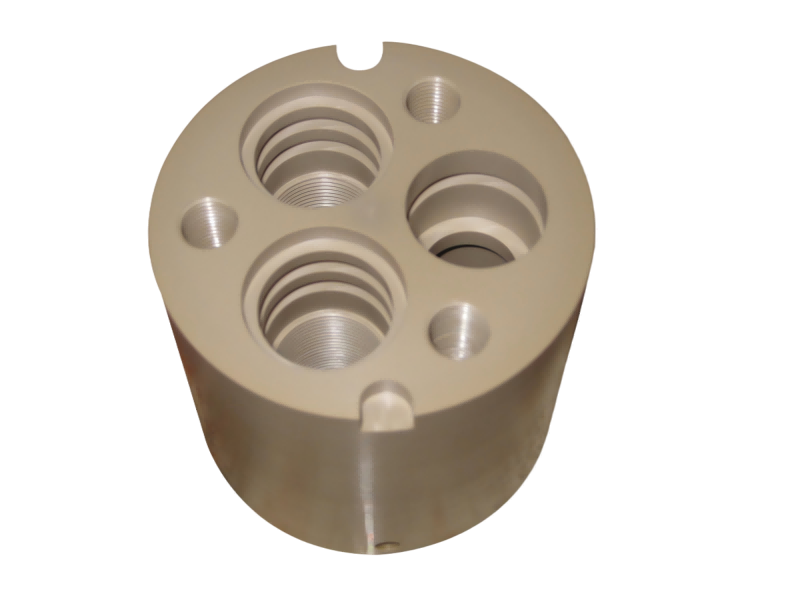
How do shrinkage and flow of a specified grade reshape cavity design?
They set steel size, gates and cooling layout.
Cavity steel is cut to the grade’s expected shrinkage and flow length. A constrained medical grade with higher viscosity or anisotropic filled shrinkage forces different gate locations, wall transitions and pack profiles than a commodity molding resin with the same polymer family name.
Unfilled amorphous grades often shrink more uniformly than glass-filled grades, which pull differently along and across flow. That anisotropy matters for circular seals, press-fits and optical flats. If the controlled grade is glass-filled nylon while the prototype was molded in unfilled ABS, dimensional learning from the prototype does not transfer cleanly into cavity compensation.
Flow length and freeze-off risk drive gate count and thickness. Medical housings with long thin walls in a stiff medical PC or filled PP may need fan gates or multiple drops that an industrial tool for easy-flow ABS would avoid. Hot-runner versus cold-runner decisions also change when regrind is forbidden: many medical programs ban regrind in the device contact stream, so cold-runner scrap economics and valve-gate choices should be written into the tooling concept before steel release.
Use published datasheet shrinkage ranges as a starting band, then confirm with molded plaques or a single-cavity trial when the feature risk is high. Link design choices to the same drawing conventions your inspection team uses, including practices aligned with ASME Y14.5. For process capability context on molded plastics, see 6CProto’s plastic injection molding service path and material pages for grades on the approved list (for example the linked PEEK and POM references in this article) when those families apply.
How do filled and unfilled grades change cavity wear expectations?
Fillers accelerate wear; plan steel and life accordingly.
Glass, mineral and other reinforcements raise abrasion on gates, runners and cavity surfaces. Tool life estimates and maintenance intervals must assume the filled medical grade you will actually run, not an unfilled surrogate used for early trials.
Filled grades can polish gates into oversized orifices, erode knit-line regions and dull textured surfaces that were accepted at T0. That wear shifts dimensions and cosmetics inside a supposedly frozen process. Buyers who validate on unfilled resin and then introduce the filled production grade without a wear review inherit both a material change and an accelerated maintenance cycle.
Mitigations belong in the tooling quotation: appropriate steel selection and hardness, gate inserts that can be replaced, polished versus textured decisions on abrasive flow paths, and a stated inspection interval for gate diameter and critical cavity steel. None of these are marketing upgrades; they are responses to the rheology and filler of the controlled grade.
Vendor compound guides and independent materials references help set expectations, but your maintenance log should record actual wear against shot count for the production grade. Environmental and handling obligations around polymer processing remain framed by sources such as the U.S. EPA; wear planning itself is an engineering control inside the mold program.
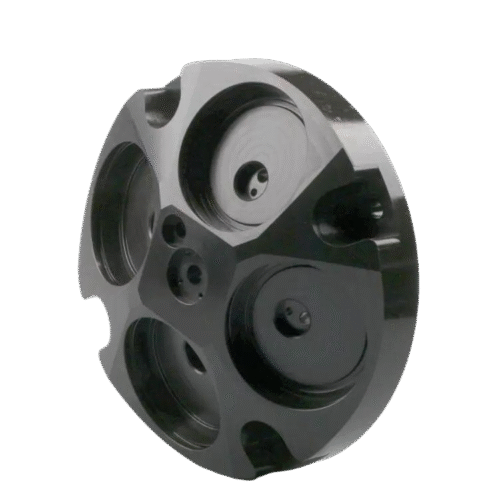
When do biocompatibility claims fail to equal moldability?
When the cleared grade is hard to process or unstable.
A resin can carry the biocompatibility evidence the device file needs and still be a poor candidate for the geometry you drew: narrow process window, moisture sensitivity, poor knit-line strength, or sterilization-driven property shifts that fight the dimensional scheme.
Teams sometimes assume “medical grade” means easy molding. It does not. Some USP Class VI or ISO 10993-supported grades are high-viscosity, shear-sensitive or heavily filled. Others discolor or warp after the sterilization method named in the device file. Moldability screening should happen while the material list is still editable: short-shot studies, drying trials, and sterilization dimensional checks on plaques or soft-tool parts.
If the only cleared grade cannot fill the part without heroic process settings, redesign walls and gates or reopen material selection with toxicology support. Do not silently add processing aids, regrind or alternate colorants that were never in the biocompatibility file. Manufacturing quality practice resources from NIST MEP can help structure supplier questions; they do not replace material qualification inside your QMS.
Also separate packaging and labeling claims from melt processability. A grade marketed for medical applications may still demand dryer dew points, residence-time limits or specialized screws that your chosen press cell cannot provide. Confirm machine capability against the datasheet before locking the tooling concept.
What should be frozen before first article so the process window stays valid?
Freeze grade, colorant, drying and critical dimensions.
Before first-article and OQ work, lock the resin grade and lot strategy, colorant or masterbatch identity, drying recipe, regrind policy, critical-to-function dimensions and the sterilization or secondary process assumptions that affect geometry.
A useful freeze list includes: manufacturer and grade code; approved alternates if any; colorant loading and carrier; maximum regrind percentage (often zero for medical contact parts); dryer setpoints and residence limits; gate and hot-runner configuration; inspection method for each critical dimension; and packaging state for measurement (dry as-molded versus after conditioning). Changing any of these after OQ usually reopens process evidence.
Coordinate with the tooling and validation plan so cavity steel compensation matches the frozen grade. If early builds used prototype injection molding in a surrogate resin, document which learnings transfer and which must be re-proven on the controlled grade. Industry and regulatory device frameworks underscore why material identity stays controlled across the lifecycle; implement that control in your own procedures.
How do material changes interact with medical tooling control?
They usually reopen process and sometimes cavity assumptions.
A controlled resin change is both a device-file event and a molding event. Even when cavity steel is unchanged, shrinkage, pack response and wear behavior may invalidate the prior process window and, in some cases, the cavity compensation itself.
Treat supplier changes, filler-level changes and colorant system changes as material changes unless your QMS has a documented justification otherwise. Pair the material change record with a decision on OQ/PQ restart and on whether cavity steel still matches the new shrinkage band. Linking this to the broader medical tooling control model is covered on the hub page for medical mold making; this article only stresses the material-driven triggers.
6CProto can review drawings against a named resin grade during free DFM and quote molding through its Zhongshan facility and Guangdong partner network. Send the grade callout with the CAD so shrinkage and gate advice match the controlled list. This does not constitute a biocompatibility determination or regulatory clearance.
When comparing candidate grades on an approved shortlist, score them on the same axes: datasheet shrinkage band, spiral-flow or viscosity indicators, dryer requirements, sterilization dimensional shift, abrasive filler content, and whether the intended press cell can hold residence time within the vendor limit. A grade that wins on biological evidence but loses on every processing axis will dominate CAPA traffic after launch. Prefer a slightly harder toxicology justification for a processable grade over a fragile process that only works on development shifts.
Document the selection decision with the drawing revision that freezes the grade. Downstream teams — purchasing, incoming inspection, molding and quality — should see one controlled callout, not a tribal “we usually run the natural” habit. That single callout is what keeps cavity compensation, OQ setpoints and lot certificates aligned.
Conclusion
Medical-grade plastic selection belongs before steel release: the controlled grade sets shrinkage, gates, wear life and the validation window. Biocompatibility evidence does not equal moldability, and filled grades demand honest tool-life planning. Freeze grade, colorant, drying and critical dimensions before first article so later changes are intentional and recorded.
Send the resin grade (and approved alternates), drawing and sterilization assumptions for a free DFM review and quote via the request a quote page, projects@6cproto.com, or WhatsApp +86 180 2219 4001.
FAQ
Can we cut steel to a generic shrinkage and tune with process later?
Only within a narrow band. Process tuning cannot safely recover large mismatches between cavity compensation and the controlled grade’s shrinkage, especially on filled or anisotropic materials. Prefer locking the grade, then sizing steel, then validating the window. If the grade is still uncertain, delay hard steel or use a prototype tool for learning rather than guessing compensation.
Is USP Class VI the same as a molding specification?
No. Biocompatibility classifications and related testing support biological risk assessment; they do not define shrinkage, flow, dryer needs or wear behavior. You still need the manufacturer grade datasheet, drying guidance and a process window built for that grade. Do not treat a class designation as permission to substitute any resin that shares the same marketing label.
What should we send with a material-focused DFM request?
Provide the controlled grade code, any approved second source, colorant details, whether regrind is allowed, critical dimensions, expected sterilization method and annual volume band. Attach the drawing or CAD and note which features are patient- or fluid-contacting. That package lets gate and wall advice track the real resin instead of a convenient substitute.
Do colorant changes count as material changes?
Often yes. Colorants and masterbatches can alter flow, shrinkage, weld-line strength and extractables profiles. Unless your QMS documents a justified family approach, treat a new colorant system as a material change that may reopen process evidence and, where relevant, biological evaluation support.