

Why Knurling and Texturing Are Functional, Not Cosmetic
When mechanical engineers and sourcing teams move from clean CAD models to real-world prototypes, surface texture is often treated as a cosmetic detail. In practice, knurling and functional texturing directly affect grip, torque transfer, sealing, assembly feel, wear, and even how a product is perceived in the market. Poorly specified textures can lead to uncomfortable grips, inconsistent torque, premature coating issues, or unexpected manufacturing cost and delays.
Knurling and texturing are intentional modifications of a part’s surface to achieve specific functional or cosmetic outcomes: improved grip, torque transfer, reduced glare, better paint or adhesive adhesion, or a distinctive appearance. Knurling typically uses a patterned tool on a lathe or mill to imprint a repeatable raised pattern on cylindrical or flat areas, enhancing grip or interference fit. Texturing broadly covers machined, blasted, brushed, etched, or coated surfaces that modify roughness, reflectivity, and tactile feel. Correct specification must consider the manufacturing process, base material, subsequent coatings, and functional requirements such as sealing or sliding surfaces.
Design the Function First, the Pattern Second
The first specification question is not which pattern to use; it is what the texture must do. A knurled shaft that must press-fit into a knob with consistent torque has a different design target than a knurled switch whose grip is the requirement. A mating surface that must slide needs a different roughness than a surface that must seal. Defining the function determines the parameters that matter: pattern angle and pitch, groove depth and radius, coverage width and boundaries, roughness range, edge condition, and whether any coating will fill or level the texture.
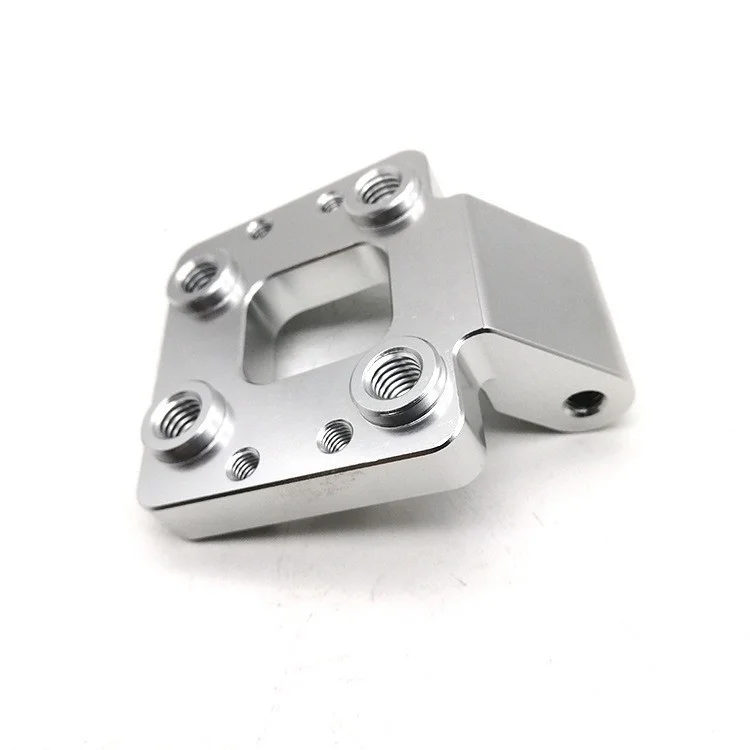
Drawings that only state “nice finish” or “knurled area” without pattern details force suppliers to interpret intent or default to internal practice. This causes inconsistent grip, mismatch with mating parts, and disputes about whether the delivered finish meets expectations. The drawing should mark textured regions with boundaries, notes, and symbols, state which surfaces are cosmetic and which are functional, and specify what can remain as machined.
Matching the Process and Material to the Texture
The same knurl or texture pattern behaves differently on aluminum, stainless steel, brass, or plastics. Machined knurling on a lathe gives geometric repeatability on cylindrical parts; blasting and brushing give random roughness that is harder to reproduce from lot to lot; chemical or electrochemical treatments change both roughness and color; and coatings such as painting, powder coating, or anodizing can fill shallow textures or add thickness that affects fit. Some finishes are suitable only for specific material families, and choosing an incompatible combination can reduce corrosion resistance, shorten service life, or make the texture difficult to reproduce consistently.
This is where process breadth matters. A single supplier that can machine the knurl, blast or brush the surface, and apply the compatible coating in one network avoids the handoffs that introduce texture and color variation between suppliers. Combining CNC machining of the pattern with finishing such as sandblasting, polishing, brushing, painting, powder coating, anodizing, black oxide, electroless nickel plating, passivation, or electroplating lets the engineering team tune grip, corrosion resistance, wear performance, and appearance in a controlled sequence.
Functional Cases That Change the Specification
Each functional use of a texture changes which parameters are critical. For a hand grip, the knurl pitch and depth set perceived comfort and slip resistance, but the surface finish and edge condition decide whether the grip is comfortable over a long shift. For a press-fit or interference fit, the knurl affects the effective contact diameter and the torque needed to assemble or remove the part, so the pattern geometry, coating thickness, and post-coating dimensions must be controlled together. For a sealing face, the texture must be shallow enough for the gasket or O-ring to bridge, and too deep a blast profile can convert a seal into a leak path. For a sliding or mating surface, the roughness range and the location of the boundary matter more than the pattern itself. Naming the function is what turns a “knurled area” note into an engineered specification.
Specify a Numbers or Sample Standard for Texture
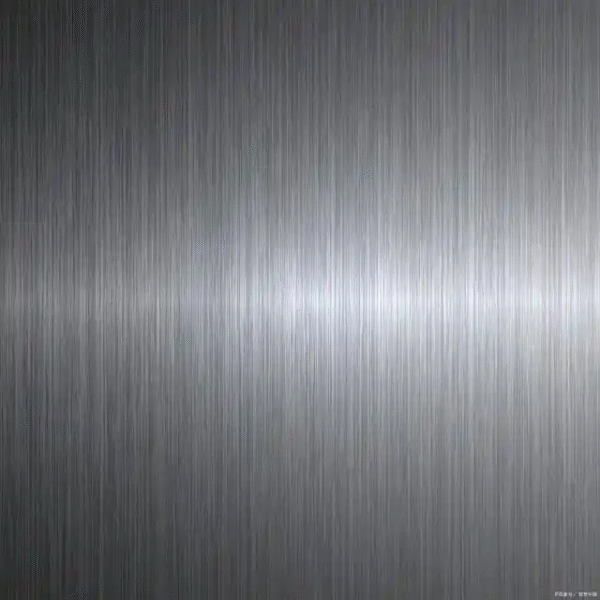
Texture is a distribution, not a single value, so the acceptance standard must be written in a language the supplier can act on. A roughness range (for example, an Ra band or a defined blast profile) gives the finisher a target; a visual standard, such as a sealed reference sample photographed in defined lighting, anchors the appearance. For functional textures, the standard may be behavioral: a target press-fit force, a torque range at a given clamp load, or a leak result on a sealing face. For cosmetic textures, lighting and viewing angle should be stated, because the same surface reads differently under shop lighting and in the field.
Over-specified cosmetic requirements on non-critical areas drive up machining time, secondary operations, scrap, and inspection effort. Many components only need enhanced texturing on human-touch areas or visible surfaces, while hidden regions can remain as machined or simply deburred. The prototype should establish the acceptable range and the failure boundary, and the production lot should be judged against the same standard: a single sandblasted or hand-finished prototype may look perfect, but scaling to repeated batches requires stable process parameters, consistent tooling, and clear documentation.
How Coatings Interact With the Texture
Coatings are part of the texture system, not a separate decorative step. A powder coat or paint layer adds thickness measured in tens of micrometres, which on a knurled grip may be an acceptable change but on a press-fit diameter can alter fit completely. A coating applied over a shallow knurl can fill the pattern and erase the function; a coating chosen for one alloy may not adhere to another. Anodizing converts the surface rather than adding a separate layer, and its effect on texture and dimension differs from plating. The drawing should state whether critical dimensions apply before or after coating, which areas must remain uncoated, and whether the texture is measured in the bare condition, the coated condition, or both.
From Prototype to Repeat Production
A one-off hand-finished prototype proves the appearance; it does not prove the process. Moving a texture to repeated batches requires the pattern parameters, process window, and inspection plan to be documented and agreed at the prototype stage, then carried forward to first article and production lots. Changes to blasting media, brush type, coating batch, or finishing line can shift the result visibly, so change control should treat the texture specification like any other critical dimension: an update goes through revised drawings and a new agreed reference, not an informal email. For proprietary designs and custom textures, NDA arrangements can be requested so that CAD files, drawings, and associated documentation are handled confidentially.
Inspection and Documentation
The inspection plan for a textured part should cover three things: the dimensional calls on the functional features, the texture parameters or reference comparison, and any coating properties that affect function. Dimensional inspection of a knurled shaft still needs the runout and diameter checks that the geometry requires; texture inspection adds a roughness measurement or a visual comparison against the agreed reference, performed under the stated lighting; coating inspection verifies thickness, adhesion, and coverage in the areas that matter. FAI reports, dimensional inspection data, and material certificates can be provided where required under 6CProto’s ISO 9001:2015 quality management system. Packaging should protect textured surfaces from dents, abrasion, or contamination during transportation and storage, because a blast texture delivered scuffed is not the same surface the prototype approved.
FAQ
How do I choose the right manufacturing process for knurled or textured parts?
The best process depends on part geometry, material, required texture pattern, tolerance, and quantity. CNC machining is well-suited to precise knurls and controlled as-machined surfaces, 3D printing helps explore complex shapes that are later post-processed, and injection molding is efficient when you need repeatable textures at higher volumes. Ask the supplier to review the specific part, process options, and texture requirements during DFM.
What files are required to define knurling and texturing properly?
You should provide a 3D CAD model and a 2D drawing that clearly marks knurled and textured areas, includes notes on surface finish or appearance, and defines general and critical tolerances. It is also helpful to specify material grade, expected quantity, functional requirements, and inspection needs as part of the RFQ so that DFM and process choices can be aligned with your goals.
What achievable tolerances should I expect on textured surfaces?
Achievable tolerances depend on part geometry, size, material, process, fixturing, surface finish, and inspection requirements. It is important to distinguish between general tolerances and critical dimensions, especially near knurled or heavily textured areas; confirm critical tolerances during DFM and quotation.
Not all finishes are compatible with all materials, so the material–finish combination should be confirmed for each project before the process and inspection plan are locked. Material certificates and FAI reports can be provided where the application requires documentation of the qualified texture and coating.
Explore CNC machining services, the surface finishing options, and the rapid prototyping workflow to combine machining, texturing, and coating. ASTM standards provide an external reference on surface roughness and coating test methods.