
injection molding quality is decided before the machine runs, not at final inspection. The process can turn out thousands of parts per hour, so a defect that takes hold repeats thousands of times. Quality is ensured by controlling the inputs: material, tooling, process parameters, and inspection – and by catching deviations early enough that they do not reproduce. This article explains where quality is built into injection molding and what a buyer should check when a molder claims quality control.
Quality Is Designed Into the Tool
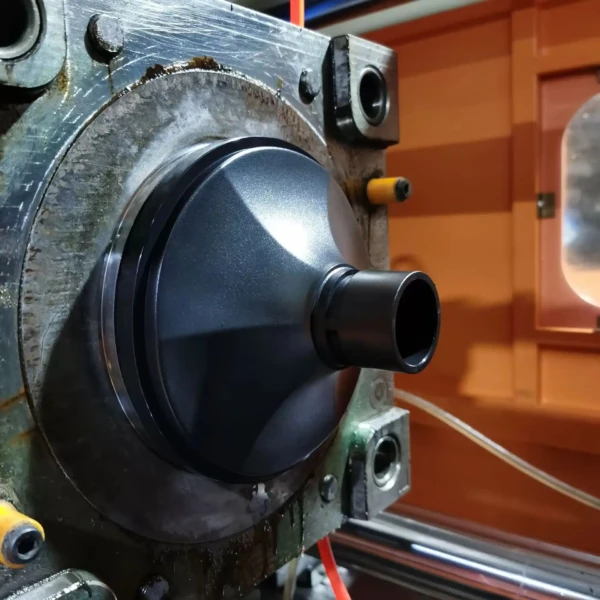
Most molding problems start with the mold. Gate location affects how the cavity fills; cooling channels affect cycle time and warpage; venting affects trapped air; ejection and draft affect surface marks. A well-designed tool, produced from a drawing that accounts for shrinkage and material flow, is the foundation. Buyers should ask what DFM review the tool went through and how gate, runner, cooling, and ejection were decided.
Process Parameters Must Be Monitored, Not Just Set
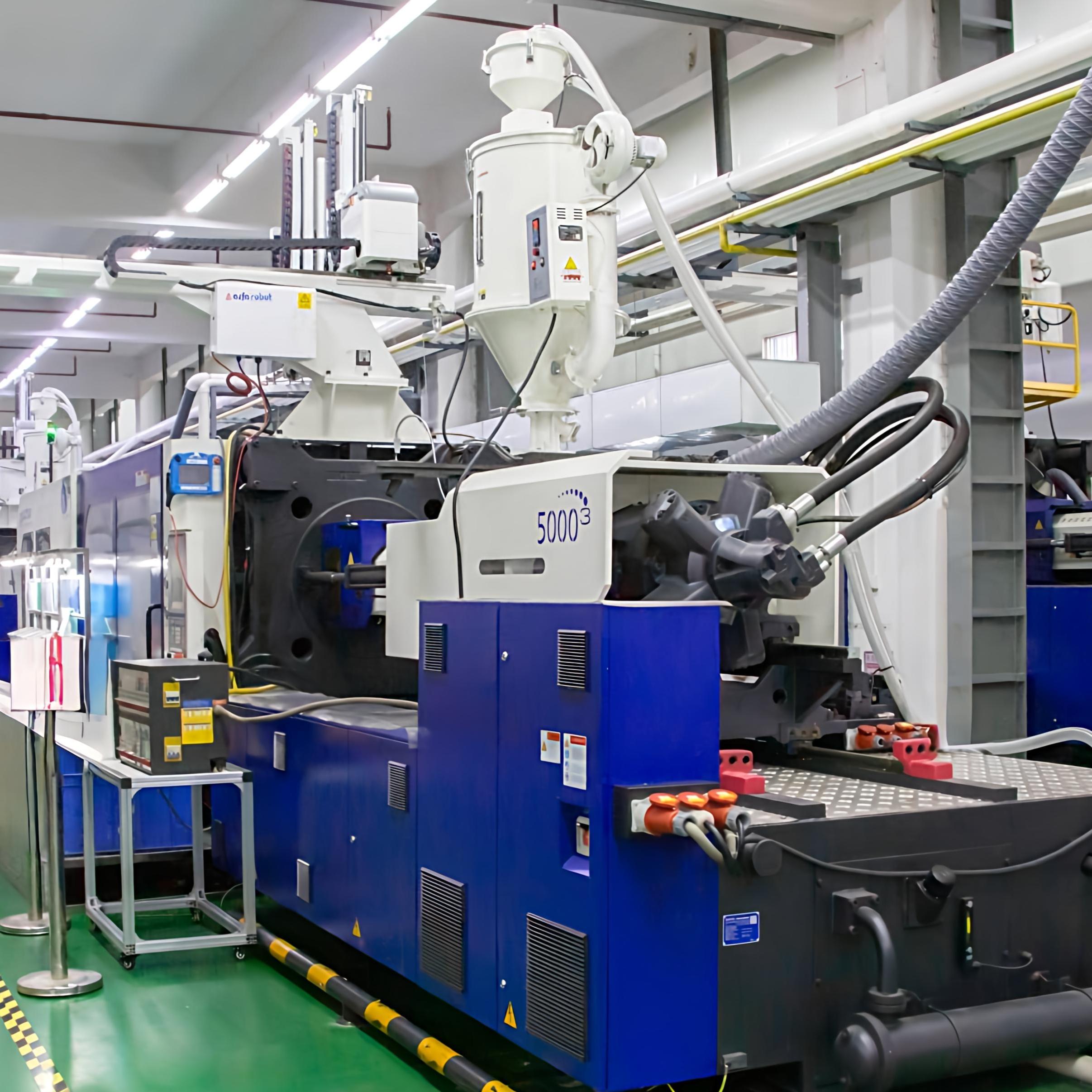
Injection molding is a process of temperature, pressure, and time. Melt temperature, mold temperature, injection pressure, holding pressure, cooling time, and shot weight all shift with material lots and ambient conditions. Quality is not one setup; it is a stable, documented operating window with limits. Molders track process data per shot and flag deviations before they become scrap.
First Article and In-Process Inspection
first-article inspection (FAI) proves the first parts meet the drawing before production continues. In-process checks verify key dimensions and cosmetic quality during the run, and final inspection confirms the batch before shipment. Confirm what the molder measures, with what equipment, and what reports ship with the order.
Material Verification and Traceability
Resins come in lots with their own properties. Quality depends on confirming the grade, drying, and conditioning, and keeping lot traceability so a problem can be traced back. Ask whether material certificates are available and how the molder validates the resin against the specification.
Defect Control and Corrective Action
When a defect appears – sink, short shot, flash, warp, or flow marks – the molder should have a systematic response: document the nonconformance, find the cause, correct it, and confirm the fix on the next run. A molder that silently adjusts and ships is hiding the quality system.
What to Ask a Molding Supplier About Quality
- What DFM and tooling review was done before the mold was built?
- Which process parameters are monitored and controlled?
- What does first-article inspection measure, and what reports are provided?
- How is material and lot traceability documented?
- How are nonconformances identified and corrected?
- How is cosmetic consistency achieved across batches?
The Bottom Line
Injection molding quality is a system: a designed tool, a monitored process, inspected parts, and controlled deviations. Buyers can confirm quality by reviewing the tooling decisions, the process monitoring approach, the inspection plan, and the corrective-action discipline. A molder that explains these is showing you quality; one that only shows parts is showing you the luck of the last run.