

A black anodized batch that comes back two shades apart is one of the most common disputes in finishing, and it is rarely the finisher’s fault alone. Colour in anodizing depends on the alloy, the temper, the coating thickness, the dye concentration and the sealing step, and a specification that says only “black” leaves all five variables open. This guide covers why black varies, how the dye actually produces the colour, what controls sheen, and how to write an acceptance criterion that two people can apply to the same part.
Why does black anodizing vary between batches?
Five variables sit between the alloy and the colour.
Alloy and temper change how the oxide forms, coating thickness changes how much dye it takes, dye concentration and time set the depth, and sealing affects the final tone.
The substrate is the first variable and the one furthest from the finishing line. Different aluminium alloys produce oxide layers with different porosity and different natural colour, so the same dye bath produces a slightly different result on 6061 than on a casting or a high-copper alloy. Temper adds a smaller effect on top of that, which becomes visible when parts from two production lots are assembled into one product.
Coating thickness is the second variable. A thicker oxide layer holds more dye, so a part anodized to a thicker class reads darker than one anodized thinner, even when both are processed in the same tank. That is why the class on the drawing and the colour requirement have to be considered together rather than separately.
The process itself then adds the remaining variance. Dye concentration drifts as parts are processed, immersion time determines how deeply the colour penetrates, and the sealing step changes both the tone and the durability of the colour. A finisher who controls all three can hold a shade closely; a specification that does not name them cannot ask for that control.
How is black produced in an anodized layer?
By dye absorbed into the porous oxide, then sealed.
The anodic layer forms with microscopic pores, dye penetrates them, and sealing closes the pores so the colour becomes part of the coating rather than a film on top of it.
The mechanism explains most of the behaviour. Because the dye is inside the coating, it does not chip or flake the way paint does, and it wears with the coating rather than peeling away from it. It also means the colour is affected by anything that changes the coating’s porosity or thickness, which is why alloy and class matter so much. The specification that defines those classes is maintained by ASTM committee B08 on metallic and inorganic coatings.
Black is the most demanding common colour because it is the deepest shade the process produces. Any variation in dye uptake shows as a visible difference in darkness, and the human eye is particularly sensitive to small differences in a large black surface. Other colours tolerate slightly more variation before the difference becomes noticeable, which is one reason black cosmetic parts attract more scrutiny than coloured ones.
Two process choices affect the result. The dye system itself, since different dye chemistries reach black by different routes and hold their colour differently under exposure. And whether the part is sealed, which affects the final tone as well as the corrosion performance. Both belong in the specification when the appearance is critical. The coating and test framework behind those choices is published by ASTM committee B08.
How do alloy and temper affect the shade?
They set the starting point before any dye is applied.
The 6000 series alloys produce the most predictable black, while high-copper alloys and castings shift the tone and can appear mottled.
Alloy behaviour is the reason a finishing specification should name the material as well as the colour. The 6000 series, and 6061 in particular, is the common choice for anodized cosmetic parts because the coating forms evenly and accepts dye consistently. Alloys with higher copper content, including several 7000 series grades, tend to produce a warmer or less uniform tone, and the difference is visible even when the processing is identical.
Cast aluminium presents a different problem. Its microstructure includes porosity, silicon particles and a coarser grain, all of which affect how the oxide grows and how dye is absorbed. The result is often a mottled appearance with lighter and darker regions that are not process defects but a reflection of the substrate. Where a casting must be anodized black, the acceptance criterion should account for that, or the design should move to a wrought alloy.
Temper then adds a smaller variation. Parts machined from the same alloy in different tempers can anodize to slightly different tones, which matters when a program runs across several material purchases. Recording the temper alongside the alloy in the specification is the practical way to keep the colour stable across those purchases. The alloys available for machined and anodized parts are documented on the aluminium material page.
How is sheen controlled?
By the surface the coating grows from, not by the dye.
Matte, satin and semi-gloss black come from the mechanical finish of the part before anodizing, so the sheen requirement is set in the machine shop rather than at the finishing line.
Because the coating follows the substrate, the texture of the machined surface is reproduced and slightly amplified. A part finished with a fine bead blast anodizes to a matte black with low reflectivity. The same part with a brushed or lightly polished surface anodizes to a satin finish that catches light along the grain. A highly polished surface produces the most reflective black, and it also shows any handling mark most clearly.
Practically, that means the sheen specification has two parts: a description of the desired appearance, and a reference part that demonstrates it. Descriptions such as “matte” mean different things to different people, and the difference is large enough to cause a rejection. A reference part removes the ambiguity entirely.
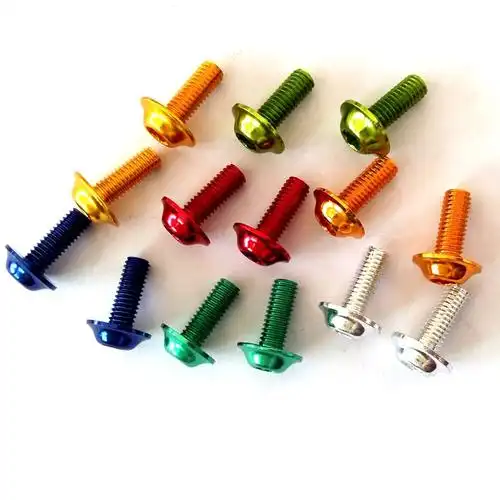
Sheen also interacts with the geometry. A single part with both machined and blasted faces will finish with two different sheens, which may be intended or may be a surprise. Where a uniform appearance is required across a part with mixed surfaces, the surface preparation has to be made uniform before anodizing. The routes available for that preparation are described in the surface finish guides.
| Variable | Effect on the result | How to control it |
|---|---|---|
| Alloy | Shifts the tone; affects uniformity | Specify the alloy, not just the part number |
| Temper | Small tone variation between lots | Record the temper with the material |
| Coating class | Thicker coating reads darker | State class and colour together |
| Dye concentration and time | Determines depth of black | Finisher process control |
| Sealing | Affects final tone and durability | Specify sealing, not a default |
| Pre-anodize surface | Sets matte, satin or gloss sheen | Define the mechanical finish and a reference part |
How should colour be matched across many parts?
Against an approved physical reference.
Colour matching works when a reference part is approved first, then used as the standard for every subsequent batch, with the viewing condition stated.
The reference part should be produced from the same alloy and temper as the production parts, finished with the same surface preparation, and anodized to the same class. That is the only way it represents what a production batch will look like, and it removes the alloy variable from the comparison.
Approval should also define how the comparison is made. A colour assessed under a workshop light and the same colour assessed in daylight can look different, and a part that is glossy enough to reflect its surroundings will show whatever is around it. Defining the light source and the viewing angle makes the assessment repeatable, which is what allows two inspectors to reach the same decision.
Where a program runs for a long period, the reference part needs care. It should be stored away from light and handling, since a reference that has faded or been scratched is no longer a standard. Keeping a spare, and photographing the approved part with the approval record, provides a fallback if the physical reference is lost.
What acceptance criteria should be agreed upfront?
Colour against the reference, sheen, and the fits.
A workable criterion names the reference part, the viewing condition, the coating class, and the dimensional features that are checked after coating.
Writing those four items removes most of the arguments that arise after a batch is delivered. The reference part settles colour and sheen; the class settles thickness; and the dimensional check settles whether the coating growth was allowed for on the features that must accept another component. Each of those is a decision the buyer can make before the parts are processed.
Where a program has cosmetic requirements on a surface that will be handled during assembly, the criterion should also address handling marks, since black anodized parts show skin contact and abrasion clearly. Gloves and individual packing are the usual responses, and they belong in the request rather than in a note after a rejection.
6CProto provides quality inspection reports on request and follows each order with a dedicated project manager, so the inspection scope for a cosmetic batch can be agreed with the finishing specification. The test methods behind coating and appearance checks are described by ASTM committee B08, the materials engineering context is published by ASM International, and surface preparation practice is covered in ASTM D3359.
Getting a black finish that repeats
Black anodizing is controllable, but only if the variables are named. The alloy and temper set the starting tone, the coating class sets how much dye the surface can hold, the surface preparation sets the sheen, and the dye and sealing steps determine the final appearance. A specification that states all of those, plus a reference part, is what turns a batch of black parts into a repeatable finish.
Two habits make the difference. Approve a reference on the production alloy before the batch runs, and treat the sheen as a machining specification rather than a finishing one. Where those two are in place, subsequent orders can be compared against a physical standard rather than against a description, and the colour discussion happens once instead of at every delivery. The wider anodizing routes are described on the anodizing service page.
FAQ
How much does black anodizing cost?
Black is a standard dye in most shops, so the colour itself rarely adds cost. The price is driven by handling: racking, masking any protected features, and cosmetic inspection where the parts will be visible. Parts that require individual handling to avoid marks cost more to process than parts that are packed in bulk. A masking plan stated with the order is the quickest way to get a comparable quote.
Does black anodized aluminium fade?
Colour stability depends on the dye chemistry, the coating thickness and the sealing step, and it is also affected by exposure. Indoors and in normal handling, a sealed black coating holds its appearance well. Under sustained ultraviolet exposure, some colour shift over time is normal for dyed coatings. Where a part will be outdoors, say so in the request so the dye and sealing choices can account for it.
Why do parts from two batches look different?
Usually because one of the controlling variables changed. A different alloy or temper, a different coating class, a different surface preparation before anodizing, or a different dye concentration will each shift the final tone. The practical response is to record the alloy, temper and class against the part number and to keep an approved reference part, so a difference can be traced to a specific variable instead of being attributed to the process in general.
Can a part be anodized black and then machined?
It can, where a feature must be kept bare or brought to a tolerance after coating. Machining removes the coating locally, exposing bare aluminium, which is normal for a masked thread or a precision bore. The machined area will not be corrosion-protected unless it is treated separately, so the drawing should indicate which surfaces are expected to remain uncoated and why. The standards and materials data referenced in this article are published by ASTM committee D20, ASTM committee E28.
If a part needs a black anodized finish that repeats across batches, send the model with the alloy, the coating class, the sheen requirement and a reference part if you have one. 6CProto reviews the part together with the finishing route and returns a DFM report with the quote, so the acceptance criteria are settled before processing. Upload the file at the 6CProto quote page or send it to projects@6cproto.com.