

A machined part quote says 303 stainless, and the buyer’s corrosion engineer objects: the application is marine-adjacent, and 303 is not 316. The machinist defends the choice because 303 machines far faster and the part is a small fitting. Both are right, and the argument reveals the real decision: stainless grades for machined parts trade machinability, corrosion resistance, magnetism, and cost, and the grade should be chosen by the part’s function and environment, not by what the shop has in stock. Understanding 303, 304, and 316 — and when each is the wrong choice — is the difference between a part that quotes cheap and a part that survives service.
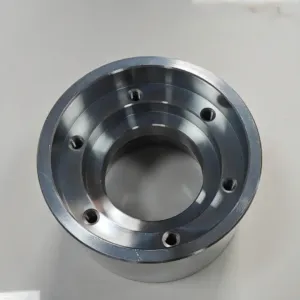
Stainless families and why 303 machines differently
303, 304, and 316 are all austenitic stainless steels, but 303 is the free-machining variant: sulfur is added to improve chip breaking and machinability, at the cost of corrosion resistance and hot-working behavior. That addition makes 303 noticeably faster and easier to machine than 304 or 316, which is why it appears in high-volume machined fittings, shafts, and fasteners. The trade is real: the sulfur inclusions that help machining are sites where corrosion can start, so 303 is not the grade for aggressive environments or for parts that are heavily worked or welded.
304 and 316 are general-purpose austenitic grades with better corrosion resistance, and they machine more slowly because they are tougher and more work-hardening. The machining cost difference between 303 and 304/316 can be significant on complex parts, which is why the grade decision belongs in the design review rather than left to the shop’s default.
Corrosion: 304 vs 316 and the environment that matters
316 adds molybdenum, which improves resistance to chloride attack — pitting and crevice corrosion in saltwater, deicing chemicals, and many process fluids. 304 is an excellent general-purpose stainless for indoor and mild outdoor use, but it can pit in chloride environments where 316 survives. The decision is environmental: if the part sees chlorides, salt, or marine exposure, 316 is the safer call; if it lives indoors in a clean or mildly corrosive environment, 304 may be entirely adequate and cheaper. “Marine grade” is not a fixed label; it is a shorthand for the chloride resistance that 316-type alloys provide.
Corrosion also depends on surface condition. A machined part with embedded contamination, a rough surface, or a passive film that was not restored can corrode even in 316; passivation after machining is part of the corrosion strategy, not an option. The grade and the surface treatment are specified together.
Magnetism, passivation, and post-machining behavior
Austenitic stainless grades are normally non-magnetic, but machining and cold work can make them slightly magnetic by transforming some structure, so a magnet test is not a reliable grade check on a machined part. The more important post-machining behavior is passivation: machining leaves free iron and contamination on the surface, and passivation removes them so the chromium oxide film can protect the part. 303 can be passivated with care, but its sulfur content requires process attention; 304 and 316 passivate more straightforwardly. If the part must resist corrosion, specify passivation after machining and confirm the grade’s response with the finisher.
| Grade | Machinability | Corrosion character | Typical machined-part use |
|---|---|---|---|
| 303 | Best of the three | Good indoors; weaker in chlorides | High-volume fittings, shafts, fasteners |
| 304 | Moderate | Good general purpose | Housings, brackets, food-adjacent hardware |
| 316/316L | Moderate, tougher | Better chloride resistance | Marine, chemical, outdoor hardware |
Use the table as the first filter, then confirm the actual environment and the required certifications with the material supplier, because the application standard may specify a grade that the table does not capture.
Cost and supply differences for machined parts
Grade affects cost in two places: material price and machining time. 316 costs more per kilogram than 304, and 303 often quotes cheaper to machine because it cuts faster and extends tool life. On a simple part, the material price dominates; on a complex, high-volume part, machinability can dominate, and 303 can be the economical choice even when 304 would be acceptable in service. The comparison should be made on the quoted machined part, not on the material price alone, and the grade should be chosen with the environment in mind so the machining saving is not spent on corrosion failures.
Supply also matters: 303 is stocked in bar forms for machining, while 304 and 316 are available across bar, plate, and other forms. If the part is machined from bar, all three are practical; if the design later moves to a welded or formed construction, the free-machining grade may not be suitable, and the material decision should consider the full production route.
Matching grade to function without over-specifying
Write the grade decision from the function. If the part is an indoor fitting that needs good machinability and modest corrosion resistance, 303 may be the right engineering choice, not a shortcut. If the part sees chlorides, specify 316 and plan the surface treatment. If the requirement is regulatory — food contact, medical, or a customer specification — the standard names the grade and the documentation, and the choice is not optional. Over-specifying 316 for every part pays for corrosion resistance that is never used; under-specifying it for a salt environment pays for it later in failures.
Name the grade, the condition, and the surface treatment on the drawing, and request the material certificate. The stainless processing guide on this site explains the fabrication context; this page is the grade-selection decision for machined parts.
A fitting example shows how the grade decision plays out in a real bill of materials. An instrument maker machines a high-volume adjustment screw, a housing bracket, and a seawater-exposed sensor body. The screw is 303: it is machined in high volume, lives indoors, and needs good machinability more than chloride resistance. The bracket is 304: it is welded to the frame, sees a clean lab environment, and benefits from the weldability that 303 lacks. The sensor body is 316L: it sits in a coastal installation and must resist chloride attack, and it is passivated after machining. Three parts, three grades, and each choice is defensible because each part’s environment and production route were named. The mistake would be standardizing on 316L “because it is the best stainless” — the screw would cost more to machine without needing the corrosion resistance, and the bracket would still need a weldable grade. The other mistake would be standardizing on 303 for everything to save machining time — the sensor body would pit in service. The drawing that carries the grade, the environment note, and the passivation requirement makes the material decision visible and reviewable, and the certificate confirms what was delivered. That is the grade-selection method for machined parts: match the grade to the function and the environment, and let the machining cost follow the requirement rather than lead it.
Before the material callout is written, name the environment and the production route: does the part see chlorides, is it welded, and is it machined at high volume? Choose the grade from those answers, add the surface treatment where corrosion matters, and request the certificate with the grade and condition. The one-line decision rule: 303 for machinability indoors, 304 for general weldable service, 316 where chlorides threaten — and the exception is always the application standard that says otherwise.
Frequently asked questions
Can 303 stainless be welded?
It is not recommended for structural welds. The sulfur added for machinability promotes hot cracking during welding and reduces corrosion resistance at the weld. If the design needs both machinability and weldability, machine from 304 or 316, or design the assembly so the machined 303 part is not welded.
Is 316 always the best stainless for outdoor parts?
No. Outdoor environments vary: clean urban air is far less aggressive than coastal salt air or road-salt exposure. 316 is the safer choice where chlorides are present, but 304 with a good surface and design can serve many outdoor applications at lower cost. Specify the environment and the required corrosion test rather than defaulting to the highest grade.
Does a magnet test prove a part is not stainless?
No. Machining and cold work can make austenitic stainless slightly magnetic, and some stainless families are magnetic by design. A magnet is a rough screening tool at best; the grade is verified by the material certificate and, where needed, by composition testing, not by a magnet.
The grade decision in one paragraph
303 machines best and serves indoor machined hardware; 304 is the general-purpose grade; 316 earns its cost where chlorides threaten. Match the grade to the environment and the production route, specify the surface treatment, and compare quotes on the machined part, not the material price. The right stainless grade is the one that passes the corrosion requirement at the lowest total cost — and the wrong one is discovered in service, not at inspection.
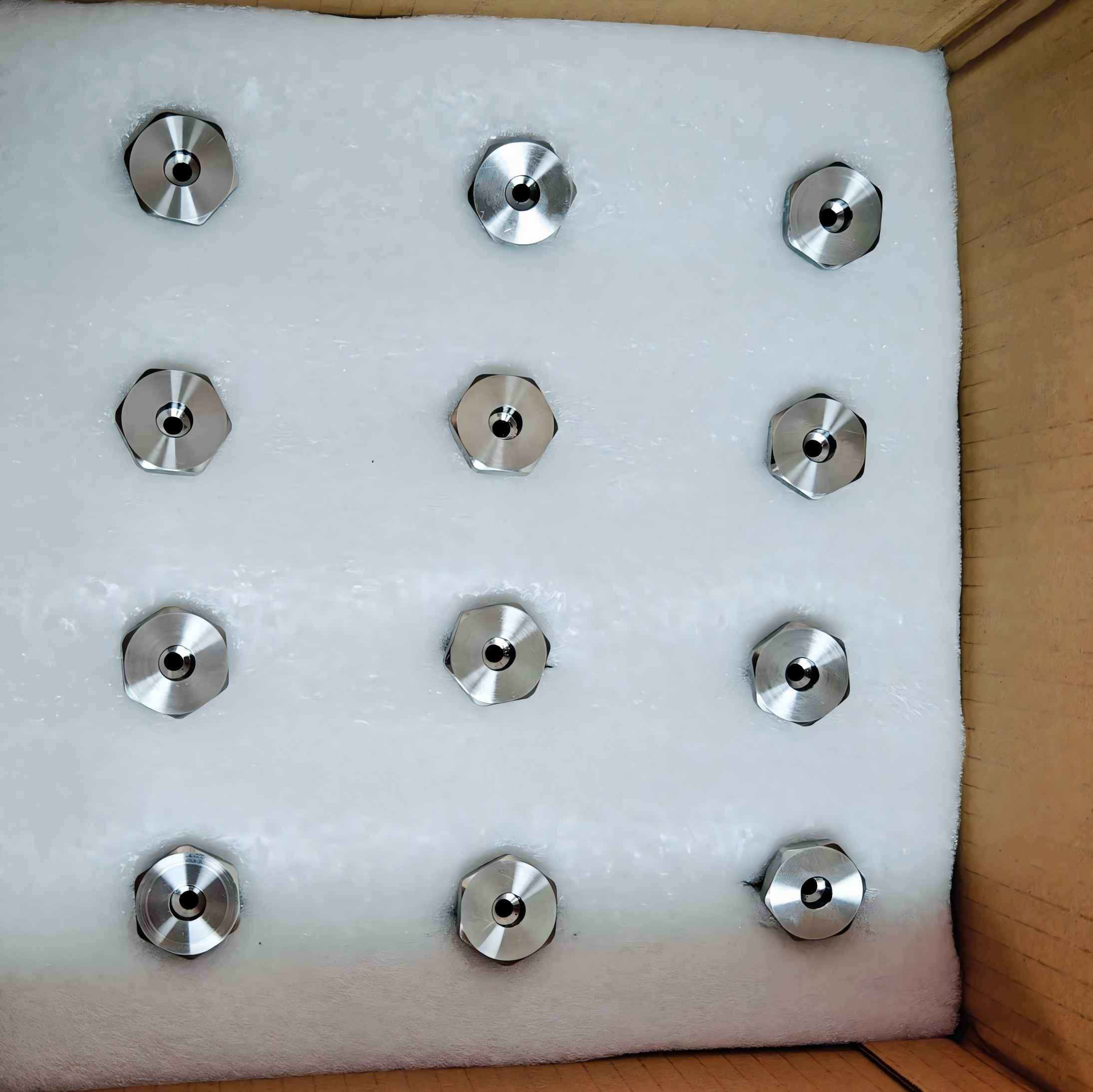
If you are selecting a stainless grade for a machined part, the 6CProto CNC team can review the environment, the geometry, and the surface treatment together before quoting.