

An agricultural machine part fails not because it was machined wrong, but because the environment was not in the design: the dust wore the bushing, the washdown corroded the bracket, and the vibration loosened the fastener that the drawing never questioned. Agricultural and off-highway equipment works where the environment is the specification — dust, mud, vibration, weather, and chemicals — and the machined parts must be designed and sourced for that life. The custom and replacement parts that keep the machines running are specified by the environment they survive, and the sourcing strategy is part of the uptime plan.

Environments that break parts: dust, vibration, washdown, and weather
The environment is the first input to the part design. Dust and abrasive soil wear the moving parts; vibration and shock loosen the fasteners and fatigue the brackets; washdown with high-pressure water and chemicals attacks the surfaces; and weather — sun, rain, and temperature swings — degrades the unprotected parts. Each environment has a signature failure mode, and the part should be designed against the failure it will see: a bushing in a dusty pivot wears, a bracket on an engine vibrates, and a component under a sprayer corrodes. The specification should name the environment and the failure mode, because the material, the finish, and the design follow them.
The environment should be confirmed with the operators, because the real duty — the hours, the soil, and the cleaning — is harsher than the brochure suggests.
Materials and coatings for farm and off-highway hardware
The materials and the coatings are chosen for the environment. Steel with a durable coating carries the structural parts, stainless appears where corrosion concentrates, and the plastics and the composites appear where weight, wear, or corrosion resistance wins. The coating is a functional requirement: a painted or powder-coated steel bracket survives the weather when the coating is intact, and the coating system should be matched to the washdown and the chemicals. The galvanic couples — aluminum on steel, stainless fasteners through coated steel — need the isolation or the conscious choice. The material and the coating are specified together, with the certificate and the finish test as part of the order.
The wear parts in the dusty and abrasive environments may need the hardened or the coated surfaces that the base material alone cannot provide.
Weld-on brackets and replacement parts
The agricultural and off-highway machines rely on weld-on brackets and replacement parts that are machined, formed, and welded to the equipment. A weld-on bracket must fit the machine’s geometry, carry the load, and survive the weld process; a replacement part must match the function of the original and the environment it serves. The sourcing should start from the machine and the duty: the bracket is designed to the mounting points and the load, and the replacement is reverse-engineered from the worn part and the requirement. The weld-on and the replacement parts are the customization that keeps the machines working, and each should carry the material, the coating, and the inspection record.
The weld-on bracket design should include the weld access and the procedure, because the bracket is only as strong as the weld that attaches it.
Sourcing strategy when OEM parts are unavailable
When the OEM part is unavailable, the sourcing strategy is to qualify a machined replacement that meets the function. The process starts with the measurement and the requirement, moves to the material and the finish for the environment, and qualifies the part on the machine or the bench before it goes to work. The qualified replacement should be documented — the drawing, the material, and the test — so the next order and the next machine use the proven part. The sourcing strategy should also identify the critical parts that need the stocked spares, because the machine that waits for a part is the machine that costs the most. The replacement program is part of the uptime plan, not a reaction to the failure.
The critical-parts list should be reviewed with the maintenance history, so the spares are stocked for the failures that actually happen.
Documentation for safety-critical ag equipment
The safety-critical parts of agricultural and off-highway equipment carry a documentation requirement. The material certificate, the inspection report, and the traceability to the lot belong with the part, because a failure in a safety-critical component must be traceable to its material and its process. The design should identify the safety-critical parts and apply the documentation and the review that their risk requires; the replacement of a safety-critical OEM part should be validated more rigorously than a cosmetic bracket. The documentation is the evidence that the part meets its requirement, and it is the record that protects the operator and the manufacturer when the part is questioned. The safety-critical part is specified, sourced, and documented with the discipline its risk demands.
The industrial-equipment industry page covers the general context; this page is the agricultural and off-highway application guide. When the environment, the duty, and the safety class are on the drawing, the machined part is specified for the machine and the field it serves.
Qualifying parts in the field and building the spares plan
The agricultural and off-highway part should be qualified in the field before it becomes the standard. A prototype or a first batch of the part runs on the machine or the equipment under the real duty, and the result is checked for the wear, the fit, and the failure mode that the design anticipated. The field trial confirms the material, the coating, and the design against the environment that the lab cannot fully reproduce, and the trial results feed the production specification. A part that is qualified in the field is a part the fleet can trust; one that is released from the drawing and the bench carries the environment risk into every machine that uses it. The field qualification is the evidence that the part survives the duty it was designed for.
The spares plan follows the qualification: the critical parts that the field trial confirmed are stocked with their documentation, and the reorder is a repeat of the qualified part. The plan should be reviewed with the maintenance history, because the parts that fail predictably are the parts that should be replaced on schedule rather than after the breakdown. The fleet’s uptime depends on the spares plan as much as on the part design, and the qualified part plus the stocked spare is the combination that keeps the machines working. When the field qualification and the spares plan are in place, the agricultural and off-highway parts are an engineered part of the uptime strategy — and the machines run because the parts were designed, qualified, and stocked for their work.
The agricultural part review should also include the operator and the maintenance team, because the people who run and service the machine know the environment that the drawing cannot capture. The operator can describe the dust load, the washdown practice, and the failure pattern; the maintenance team can show the worn parts and the intervals; and the design should incorporate that field knowledge with the engineering analysis. A part that is designed from the drawing and the brochure can miss the real duty, while a part that is designed with the field input survives the actual work. The review should also cover the installation and the maintenance access: a replacement part that is difficult to install or a grease point that is impossible to reach will fail through neglect, and the design should make the maintenance possible. When the agricultural and off-highway part is designed with the operator, the maintenance, and the field in view, the part serves the machine and the people who keep it running — and the uptime that the program planned is the uptime the field delivers.
Keep the field trial and the spares records with the part, so the qualified replacement is reproducible and the fleet history is traceable. The record is the reference for the reorder and the improvement review.
Confirm the part’s documentation with the order, and keep the field trial records with the part number so the qualified replacement is reproducible. The documentation is the evidence that the part was designed, sourced, and qualified for the machine and the environment, and it is what the audit and the next order reference.
Confirm the part’s documentation with the order, and keep the field trial records with the part number so the qualified replacement is reproducible. The documentation is the evidence that the part was designed, sourced, and qualified for the machine and the environment, and it is what the audit and the next order reference.
Confirm the documentation and the field trial with the order, and stock the qualified spare with its record so the machine is protected against the failure that the part was designed to survive.
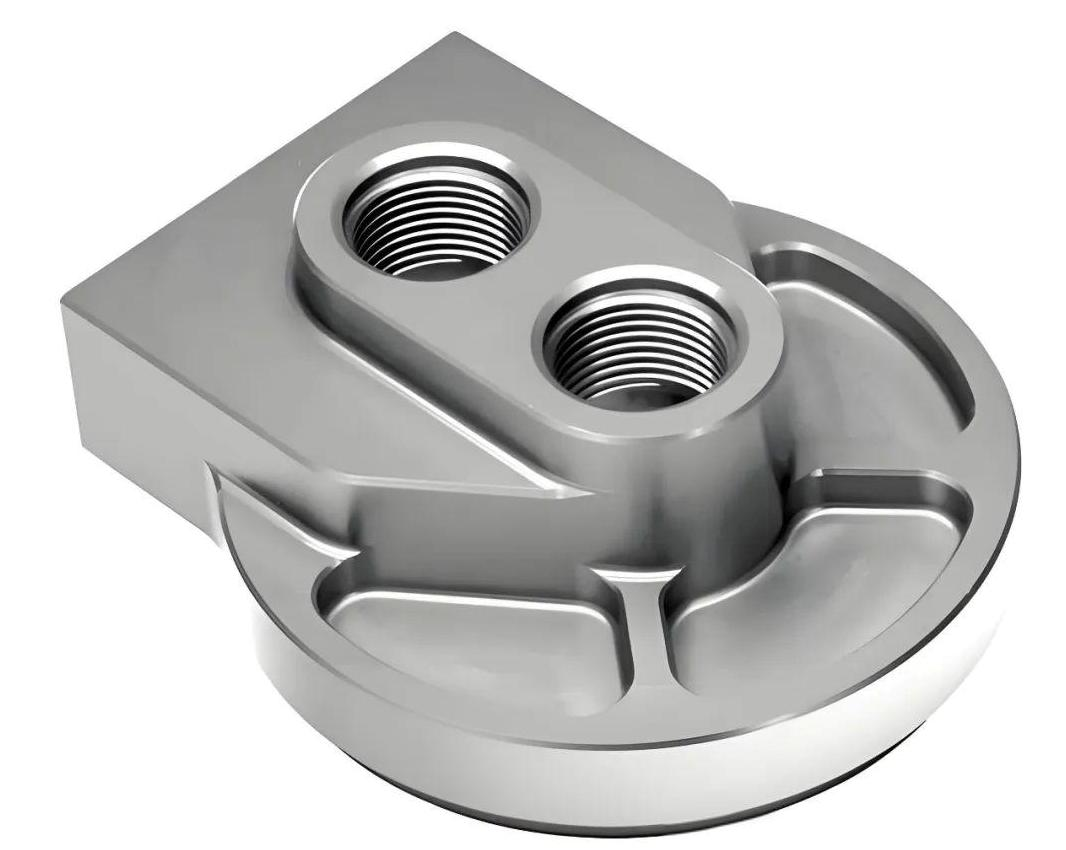
If you are sourcing machined or replacement parts for agricultural and off-highway equipment and want the material, the environment, and the documentation plan reviewed, the 6CProto CNC team can work from your machine and your duty to the part and its records.