

A steel fastener specification changes from yellow zinc to zinc-nickel, and the quote rises sharply — then the salt-spray hours the buyer wanted double, and the change starts to make sense. Zinc and zinc-nickel both protect steel sacrificially, but the nickel changes the corrosion mechanism, the coating color, and the process cost. For fasteners, brackets, and automotive hardware, the choice is usually driven by a salt-spray target or an OEM specification, and the engineering question is whether the extra corrosion performance is worth the process complexity and cost.
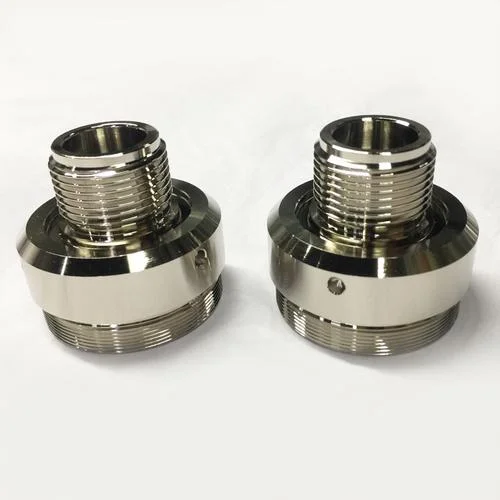
Corrosion mechanisms: sacrificial zinc and the nickel effect
Zinc protects steel by corroding in its place: the zinc layer is anodic to steel, so it sacrifices itself and protects the substrate at scratches and cut edges. Zinc-nickel works the same way but with a key difference: the nickel content changes the corrosion products and slows the rate of zinc consumption, extending the protective life. The coating still protects the steel sacrificially, but it does so longer and more predictably in chloride environments, which is why zinc-nickel appears where salt exposure or OEM corrosion requirements are severe.
The mechanism also affects the failure mode. A zinc coating that is consumed fails by red rust appearing at the site of attack; a zinc-nickel coating tends to protect longer before that point. The comparison is not “zinc works, zinc-nickel works more”; it is a cost and specification decision anchored to the required corrosion test.
Salt-spray expectations and automotive specifications
Salt-spray hours are the language of fastener plating specifications, and the two coatings quote very different numbers. Standard zinc with a suitable passivate meets moderate salt-spray targets; zinc-nickel is specified where the target is far higher, commonly in automotive and heavy-equipment applications. The exact hours depend on the coating thickness, the passivate, the topcoat, and the test standard, so the requirement should be written as a test condition, not a marketing claim. “Zinc-nickel” alone does not promise a salt-spray result; the thickness and the post-treatment do.
| Decision factor | Zinc plating | Zinc-nickel plating |
|---|---|---|
| Corrosion in chloride environments | Good with proper passivate | Higher; common for severe salt targets |
| Process complexity | Standard and widely available | More process control; fewer shops |
| Appearance | Wide range: clear, yellow, black | Typically silver-gray; limited color range |
| Cost | Lower | Higher |
| Typical driver | General indoor and moderate outdoor | Automotive, marine-adjacent, long-life specs |
The table frames the decision: the coating is chosen by the requirement, not by preference, and the requirement should be a test with a number.
Hydrogen embrittlement and fastener processing
Plating high-strength steel fasteners introduces hydrogen embrittlement risk, and the process controls matter more than the coating choice. Both zinc and zinc-nickel baths can introduce hydrogen, so hardened fasteners need the correct pre-treatment, baking within the specified time, and process verification. Zinc-nickel’s extra process steps add handling that must be controlled for the same reason. The drawing or PO should state the strength class and the baking requirement, because the plater cannot guess the risk from the part alone.
Do not assume that switching to zinc-nickel automatically solves an embrittlement or corrosion problem. Embrittlement is controlled by the process, and corrosion is controlled by thickness and post-treatment; the coating name is only part of the specification.
Thickness, passivate, and topcoat options
Thickness is the first variable: more coating means longer protection on both systems, up to the practical limit where the coating affects thread fit. The passivate — the conversion layer that follows the zinc or zinc-nickel deposit — controls much of the corrosion result and the color: clear, yellow, or black passivates on zinc, and usually a clear or dark passivate on zinc-nickel. Topcoats add lubricity, torque control, or additional corrosion resistance, and they are common on fasteners that need a controlled tightening behavior. The full specification is coating type, thickness, passivate, topcoat, and the salt-spray or torque requirement.
Threaded parts need the thickness planned before cutting, because the coating changes the thread fit. State the pre-plate and post-plate thread class, or plan to chase threads after plating, and confirm the measurement method with the plater.
Cost and supplier capability differences
Zinc-nickel costs more because the chemistry, process control, and waste treatment are more complex, and fewer shops run it consistently. The price difference is justified when the specification requires the performance; it is waste when a standard zinc system with the right passivate meets the target. Capability is the second difference: a shop that runs zinc daily may not have validated zinc-nickel process control, and the coating’s corrosion performance depends on the nickel content being held in range. Ask for the process capability and the test records, not just the coating name.
Quote both systems when the specification is open, with the thickness, passivate, and test stated, so the comparison is real. The electroplating services page covers the process options available on custom parts, and the finishing team can review the requirement and the coating route together.
A fastener example shows how the specification drives the choice. A brake-system bracket bolt carries an OEM requirement for a high salt-spray or cyclic-corrosion target, and the drawing states the coating as zinc-nickel with a specified thickness, passivate, and topcoat, plus the torque-control class. The plater quotes the process with the nickel content held in range and the baking step scheduled for the fastener’s strength class. A second bolt on the same vehicle, in a dry interior location, carries a moderate target and plates in standard zinc with a yellow passivate, and it passes at lower cost. The two bolts are on the same product and use different coatings because their requirements differ — and the specification, not a company preference, made the call. The example also shows what can go wrong: if the interior bolt were upgraded to zinc-nickel “to be safe,” the program would pay for corrosion performance it does not need; if the brake bolt were downgraded to zinc to save cost, the salt-spray result would fail and the field risk would follow. The coating decision is a specification decision, and the specification is a test with a number, a thickness, and a process. When the buyer writes the requirement that way, suppliers quote the same scope, the plater controls the process that earns the result, and the fasteners pass the test they were designed for.
Before specifying the coating, write the requirement as a test: the salt-spray or cyclic-corrosion target, the coating thickness, the passivate, and the topcoat, with the fastener strength class and the baking step stated. Ask the plater for the nickel content range and the process record, and confirm whether threads will be masked or chased. When the specification is complete, zinc and zinc-nickel can be compared on the same basis — and the coating that passes the test at the lower total cost is the engineering answer.
The comparison is incomplete without the field condition: temperature, humidity, and the fluids the part contacts change how the coating performs, and a salt-spray result alone does not predict every service life. If the application is known, add the environment note to the spec and confirm the coating route with the finisher against that condition. The test and the service condition together are what the coating decision should be based on.
Confirm the plater can hold the nickel content range and provide the process record for the lot, because the coating’s performance lives in the process control, not in the coating name.
Frequently asked questions
Is zinc-nickel required for every automotive fastener?
No. Automotive specifications vary by location and exposure: an interior fastener with a moderate corrosion target may plate in standard zinc with the right passivate, while an underbody or brake-system fastener may specify zinc-nickel. Read the OEM specification and its salt-spray or cyclic-corrosion requirement, and let the test drive the coating choice.
Can zinc-nickel be applied over hardened steel without embrittlement risk?
Only with the correct process: proper cleaning, minimized acid exposure, and baking within the specified window after plating. The coating process is compatible with hardened fasteners when these controls are in place, but the controls must be specified and verified. Confirm the plater’s process and the baking record for the strength class.
Does zinc-nickel change the color of the part?
Zinc-nickel is typically silver-gray, with clear or dark passivates available; it does not offer the yellow or bright color range of standard zinc. If appearance is a requirement, specify the color and compare samples, because the passivate and topcoat set the final look as much as the deposit.
The coating decision in one paragraph
Zinc plating handles moderate corrosion requirements economically; zinc-nickel earns its higher cost where salt exposure or an OEM specification demands longer protection. Write the requirement as a test — thickness, passivate, salt-spray hours — and compare both systems on that basis. The coating that passes the test at the lowest total cost is the right answer, and the specification, not the coating name, is what makes the quote comparable.
If you are specifying a plated steel part with a corrosion target, the 6CProto surface finishing team can compare zinc and zinc-nickel on your geometry and test requirement before quoting.