

Explore CNC Cost, Tolerances & Supplier Selection
When a drawing reaches purchasing with missing datums, vague finishes, or a stack of “as tight as possible” tolerances, the quote either pads risk or comes back with a long clarification list. That delay is rarely about the machine. It is about how CNC machining is specified. This guide explains what CNC machining means in practical shop terms, how a computer numerical control milling machine differs from turning and multi-axis work, and how to package a file so an on-demand manufacturer can price and plan without guesswork.
What does CNC machining mean on a production floor?
CNC machining is computer-guided subtractive cutting.
A controller reads programmed toolpaths and drives mills, lathes, or related machine tools to remove material from bar, plate, or billet until the part matches the model and drawing. Unlike manual machining, feeds, speeds, and axes are coordinated by software, which is why repeatability improves once the setup is proven. Industry explainers from sources such as Thomasnet describe the same core idea: computerized control of cutting tools to shape metal or plastic stock.
On an RFQ, “CNC” is not one process. It usually means one or more of milling, turning, drilling/tapping, and sometimes EDM for features that cutters cannot reach economically. The practical question for your team is which combination of axes and setups will hold the datums you actually need.
How does a computer numerical control milling machine create features?
A CNC mill removes material with rotating cutters while the workpiece is clamped.
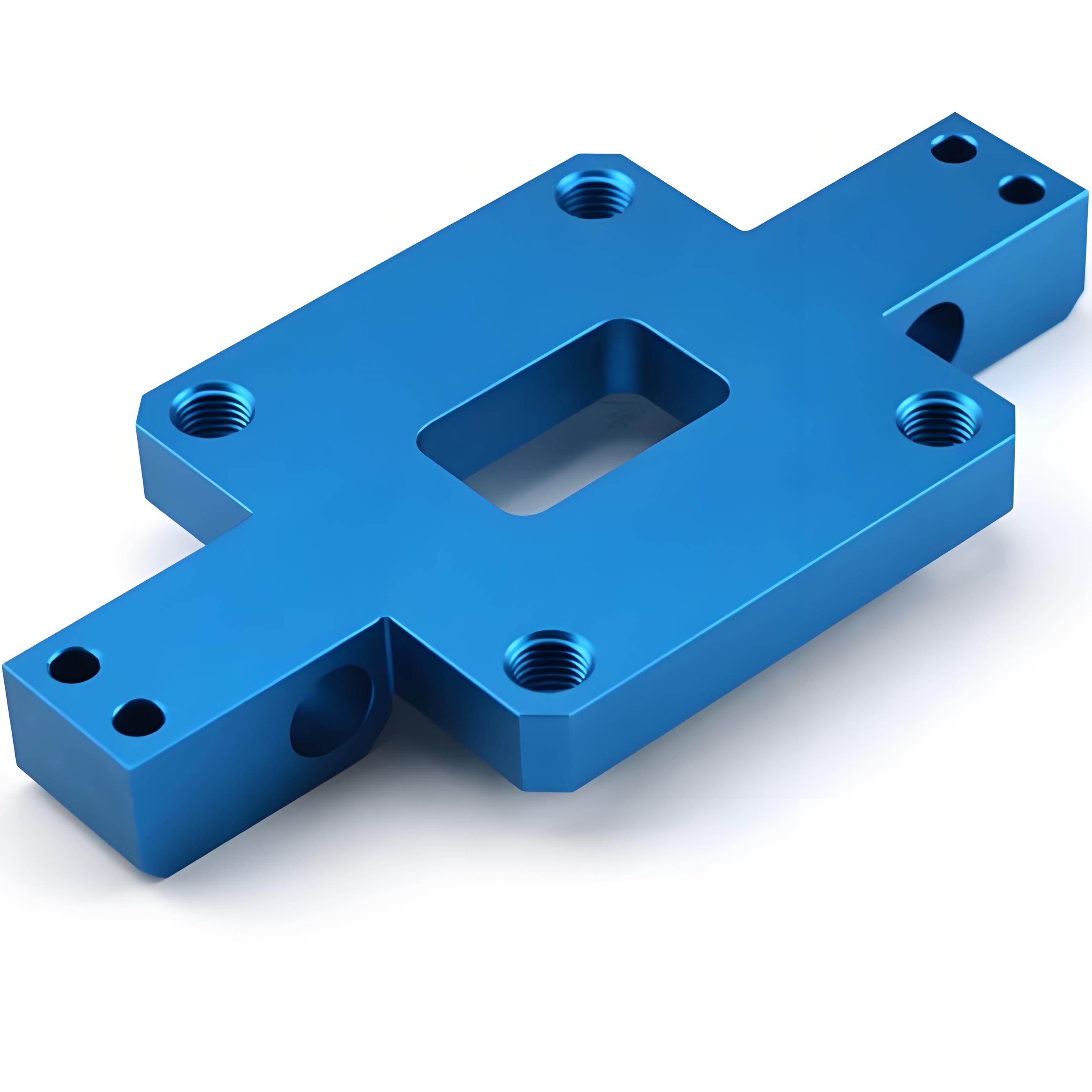
Three-axis mills move X/Y/Z; the tool approaches from above or the side depending on fixturing. Pockets, profiles, flat faces, holes, and many 2.5D features are everyday milling work. Four- and five-axis machines add rotary motion so the tool can reach compound angles without remounting the part for every face. That matters when a housing needs undercuts, sculpted surfaces, or hole patterns that do not share a single setup plane.
Milling is usually the right answer when the starting stock is plate or block and most features are prismatic. If your part is largely cylindrical, turning may remove bulk faster. Many production parts use both: turn the OD and bores, then mill flats, keyways, or ports. For service scope covering milling specifically, see CNC milling.
When should you choose turning instead of milling?
Turning fits rotationally symmetric geometry best.
On a CNC lathe, the workpiece spins while a stationary (or live) tool cuts diameters, faces, grooves, and threads. Live tooling and mill-turn centers blur the line by adding milling capability in one chucking, which can reduce stack-up from multiple fixtures. If your print is dominated by concentric diameters and you can tolerate a secondary mill operation for a few flats, turning-first often shortens cycle time.
Use milling-first when the blank is plate, when most faces are flat, or when 3D contours dominate. A short internal note in your RFQ—”prefer mill-turn if concentricity between ØA and ØB is critical”—helps the planner pick the right cell without a week of email.
Which tolerances actually belong on a CNC drawing?
Put tight tolerances only on functions that need them.
Blanket ±0.05 mm on every dimension forces slower feeds, more inspection, and sometimes grinding or EDM that the design never required. A better pattern is: generous general tolerance on non-critical sizes, then specific callouts on mating diameters, seal grooves, bearing seats, and pattern locations tied to clear datums. ASME dimensioning practice (ASME codes & standards) is the common language US engineering teams already use; if you follow that language, overseas shops interpreting English drawings waste less time.
Also specify measurement method when it changes cost: CMM vs pin gauges vs optical, and whether first-article inspection is required. For a general reference page on how 6CProto frames standards language, see standards and tolerances. Treat published marketing tolerance figures as capability claims to confirm per job—not as blanket guarantees for every alloy and size.
How do materials change CNC machining cost and risk?
Material drives tooling, feeds, and scrap risk.
Aluminum alloys cut quickly and are common for brackets and housings. Mild steels are forgiving but heavier. Stainless grades work-harden and need rigid setups. Titanium and nickel alloys demand heat management and slower metal removal. Engineering plastics (ABS, POM, PC, PEEK) machine well when sharp tools and chip control are respected, but they melt or smear if parameters are wrong.
State the alloy and temper (for example 6061-T6, 304, 316, C360 brass) rather than only “aluminum” or “SS.” If the part will be anodized, plated, or passivated, say so up front—stock allowance and edge breaks change. Material hubs such as CNC machining materials help map common options, but the drawing should still name the exact grade.
What belongs in a quote-ready CNC package?
Send CAD, a drawing, and a short process note together.
Minimum useful package:
| Item | Why it matters |
|---|---|
| 3D CAD (STEP/IGES preferred) | Toolpath and volume calculation |
| 2D PDF with datums & criticals | Inspection and ambiguity control |
| Material + temper | Speeds, tooling, stock |
| Finish & cosmetic notes | Extra ops and handling |
| Qty & revision | Setup amortization and change control |
| Target lead time window | Capacity planning |
Add notes for threads (forming vs cutting), heat treat, and any surfaces that must stay as-machined. Upload through the request a quote flow or email projects@6cproto.com with WhatsApp +86 180 2219 4001 for follow-up. A free DFM pass before metal is cut usually costs less than a respin after T1.
3-axis vs 5-axis: how should buyers decide?
Choose axes by access and setup count, not by marketing labels.
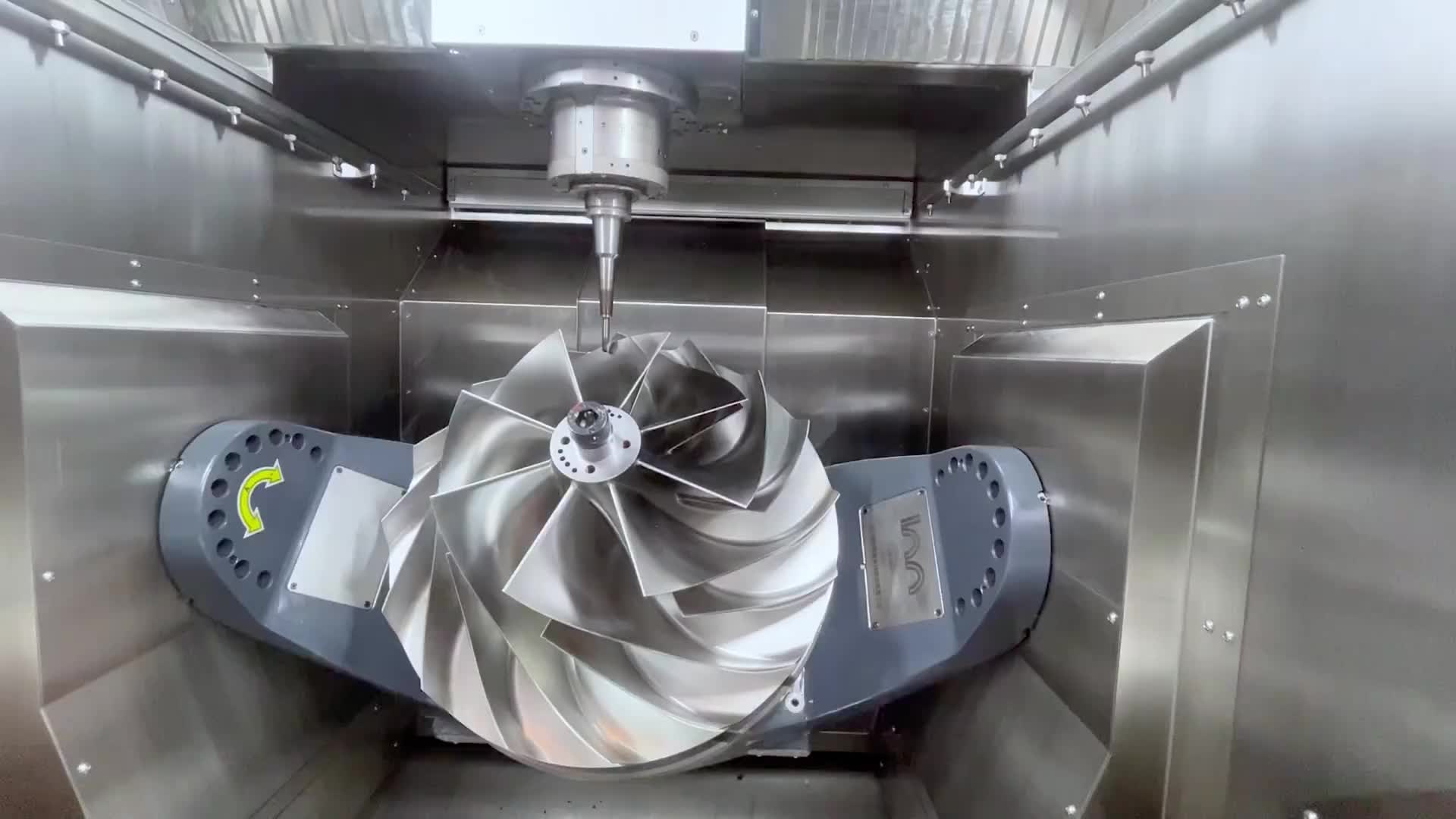
Three-axis machining is enough for many prismatic parts if fixturing can present each face. Five-axis shines when compound angles, deep pockets with tool-length limits, or continuous contours would otherwise need many fixtures—or when datum integrity suffers every time the part is moved. For complex aero brackets, impeller-like shapes, or medical housings with multi-directional ports, 5-axis machining can reduce stack-up even if the hourly rate looks higher.
Ask the shop to state assumed setups in the quote. Two setups on a 3-axis machine can exceed one 5-axis setup in both risk and calendar time.
How does CNC machining fit next to molding, sheet, and printing?
CNC is often the bridge process, not the forever process.
Early metal or engineering-plastic prototypes frequently start on CNC so material and strength match production intent. Later, the same geometry may move to injection molding for plastics, sheet metal fabrication for thin enclosures, or stay CNC for low volume. Autodesk’s manufacturing explainers (Fusion CNC overview) emphasize programming and digital toolpaths; buyers still need a clear handoff plan from prototype to production process. NIST’s metrology resources (NIST PML) are a useful reminder that inspection capability is part of manufacturing quality—not an afterthought.
If you are still validating form only, 3D printing may be cheaper for a few iterations. If you need production-intent plastic with soft tools, pair CNC fixtures with low-volume molding later.
Spec checklist before you hit send
A short internal gate review prevents most CNC quote delays.
Confirm: correct revision on CAD and PDF; material grade and temper; critical tolerances only where needed; surface finish symbols decoded in a legend; threads called out with standards; cosmetic faces marked; quantity and ship-to region; and whether FAIR/CMM data is required. For precision-focused workstreams, review precision machining capabilities as a planning input, then confirm inspection scope on the PO.
Surface finishing and secondary ops after CNC
Finishing is part of the machining quote even when it happens on another cell.
Anodize, plating, passivation, bead blast, and paint change edge breaks, masking, and racking. If a cosmetic face must stay protected through shipping, say so. When multiple finishes are optional for a pilot, price them as adders so purchasing can defer cosmetics. Review finishing options on the surface finishing page when the print is still flexible.
Also plan tapped holes after coating: oversized tap drills or post-coat tapping may be required. Thread callouts that ignore coating thickness are a classic assembly failure on anodized aluminum.
How China on-demand CNC quoting usually runs
Expect DFM questions before metal is committed.
A typical flow is CAD upload, clarification on material and criticals, optional DFM notes, then a quotation with lead-time assumptions. Zhongshan-based manufacturers that also coordinate partner capacity can parallelize finishing or sheet-metal mates, but only if your BOM lists those mates in the same RFQ. Keep one revision letter across emails and WhatsApp threads so the planner is not quoting Rev B while engineering already moved to Rev C.
For turning-dominant parts, route readers to CNC turning so the cell assignment is obvious. For mixed prismatic work, keep milling as the default and note mill-turn preference only when concentricity stacks matter.
Documentation that protects both buyer and shop
Write acceptance criteria before the first chip.
Define which dimensions are recorded, whether a CMM report ships with the parts, and what happens if a non-critical cosmetic ding appears on a non-show face. Ambiguous “aerospace quality” language helps no one; specific check lists do. Thomasnet-style educational articles are useful orientation (understanding CNC machining), but your PO terms still govern. Keep metrology language aligned with how your receiving team actually inspects.
Conclusion
CNC machining is subtractive manufacturing under computer control—but the commercial outcome depends on how clearly your team specifies datums, materials, finishes, and setups. Treat milling, turning, and multi-axis as tools to assign, not synonyms. Send a complete CAD-plus-drawing package, tighten only the tolerances that earn their cost, and choose axis count based on access and stack-up risk. That is how on-demand CNC quotes stay fast and comparable.
Next step: Upload your STEP/PDF for a DFM-backed CNC quote via Request a Quote, or contact projects@6cproto.com / WhatsApp +86 180 2219 4001.
FAQ
What file formats work best for CNC machining quotes?
STEP or IGES for 3D plus a PDF drawing with datums and critical dimensions is the most reliable combination. Native CAD can help for clarification but should not replace a neutral solid. Include revision letters on every file so purchasing and the shop are looking at the same design.
Is CNC machining only for metals?
No. Many engineering plastics are CNC machined for fixtures, housings, and low-volume parts. The process still removes chips from solid stock; parameters and tooling change with polymer thermal behavior. Call out the exact resin grade the same way you would call out an aluminum temper.
How is CNC different from 3D printing for prototypes?
CNC starts from solid stock and produces material properties close to wrought or extruded supply. Printing builds layer by layer and is often faster for complex internal geometry but may not match production material behavior. Choose based on whether you are testing form, fit, or functional load paths.
Do I need five-axis for every complex part?
Not always. Some “complex” parts are still cheaper with clever 3-axis fixturing. Five-axis helps when compound angles or continuous surfaces would otherwise multiply setups and stack tolerances. Ask the manufacturer to show assumed setups in the quotation notes.
What information speeds up a China on-demand CNC quote?
Clear material grade, quantity breaks, finish requirements, inspection expectations, and marked cosmetic faces. Incomplete prints force conservative pricing. A short note on end use (fixture vs customer-facing product) also helps planners choose tooling and handling.