

A tooling fee is the one line in a molding quote that cannot be reduced by ordering more parts. It is paid once, before any part exists, and what it buys determines the per-part price for the life of the programme.
What tooling costs actually cover
The fee covers the mold cavity and core, the base and frame that hold them, the ejection system that removes the part, the cooling channels that set cycle time, any side actions or lifters needed for features that cannot be formed by the parting line, the gating and runner system, and the first trial run with its sample parts. Depending on the part, it also covers texture or engraving applied to the steel, and fixtures or gauges used for inspection.
| Element | Effect on cost | Effect on the part |
|---|---|---|
| Cavitation | More cavities, higher tool cost | Lower part price; more parts per cycle |
| Steel grade | Harder steel costs more | Longer tool life, especially with filled material |
| Cooling layout | Complex channels raise tool cost | Shorter cycle time and less warpage |
| Side actions and lifters | Add cost and maintenance | Enable undercuts and internal features |
| Runner type | Hot runner costs more | Less waste, better control at higher volume |
| Surface texture | Engraving or etching adds cost | Reproduces a specified finish on the part |
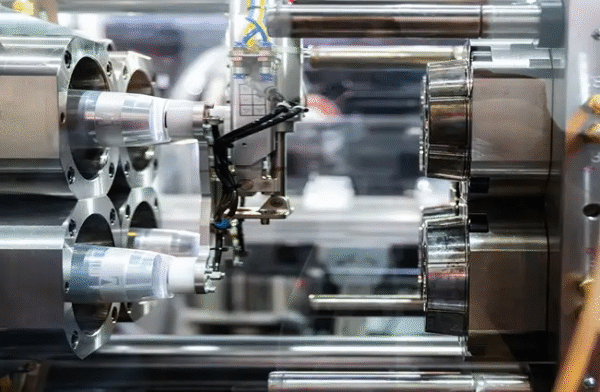
What drives the number up or down
Four variables dominate. Part size sets the block size and the machine the mold must fit. Complexity sets the number of actions, the parting line design and the machining hours. Cavitation multiplies the number of cavities, cores and cooling circuits. And the intended life sets the steel grade and the precision of the fit between components.
Two design decisions have an outsized effect. Undercuts that need side actions or lifters add both cost and maintenance, and they are often avoidable by changing the feature rather than the tool. Cosmetic texture applied to the steel adds a process step and makes later repair more difficult, so a textured surface should be specified where it is genuinely needed rather than across the whole part. Process references are published by ASM International for material behaviour and by the NIST Manufacturing Extension Partnership for production practice.
How to compare two tooling quotes
Compare scope before price. Ask what cavitation, steel grade, cycle time and tool life each quote assumes, whether a hot runner is included, and whether the trial run and first sample inspection are part of the fee. A lower figure that omits the frame, the texture or the trial is not a cheaper tool; it is a smaller scope.
Three further questions settle most differences. Who owns the tool, and under what conditions can it be transferred? What is the expected life at the intended material, since a glass-filled polymer wears a mold faster than an unfilled one? And what happens to the tool if the design changes — is a modification quoted separately, and how much of the original tooling survives? Those answers matter more than a few percent on the initial number.
When tooling is worth committing to
Tooling pays back when the per-part saving it enables exceeds the tooling cost over the volume expected. That calculation needs three inputs: the part price without tooling, the part price with it, and a realistic volume forecast. Where the forecast is uncertain, a bridge tool or a low-volume route keeps the commitment smaller until demand is better known.
It is also worth separating the decision to mold from the decision to commit to a long-life tool. Molding a part in a simple tool can validate the material and the geometry at modest cost, while the hardened, higher-cavitation tool is ordered once the design and the demand are both settled. Running those two decisions together is how programmes end up paying for tool life they never use.
What to send for a tooling quotation
The model is the starting point, but the quotation depends on the information around it: the material and any filler, the expected annual volume and the expected life of the product, the cosmetic requirements and where they apply, the tolerances that must be held on the part rather than the mold, and whether the parts will be assembled with other components that set the fit.
Two additional points reduce surprises. State whether the design is frozen, because a tool built against a moving design is a source of change orders, and ask for the trial plan in writing so it is clear which samples will be inspected and against what. Drawing conventions for these callouts follow ASME standards, and the low-volume alternative that avoids tooling altogether is described under prototype injection molding and low volume manufacturing. Handling obligations for molding operations are set out by the US EPA.
Maintenance is the cost that is easy to overlook. A tool running filled material needs periodic inspection of gates and venting, and a texture applied to the steel is expensive to repair if it is damaged. Asking what preventive maintenance the supplier recommends, and how a damaged cavity would be handled, turns tool life from an assumption into a plan. Abrasive wear from filled polymers is documented in the material references published by ASM International.
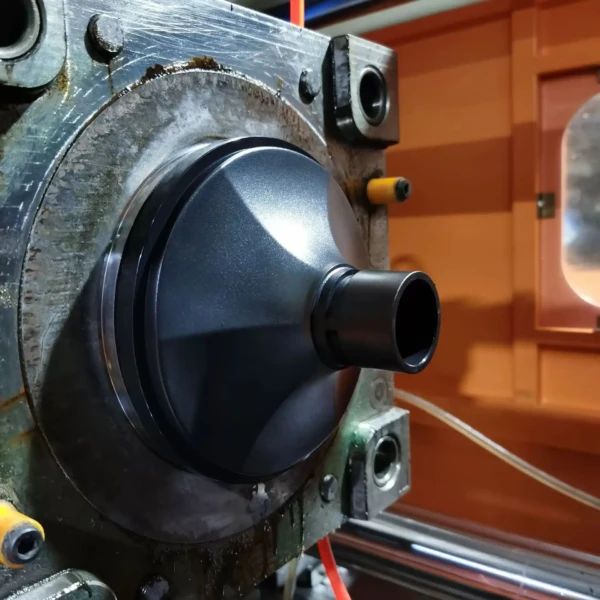
Send the model with the annual volume and the cosmetic requirements, and request a tooling quotation with the scope itemised.
FAQ
What are tooling costs in injection molding?
The one-time cost of everything made specifically to produce the part: cavity and core, base and frame, ejection, cooling, gating, any side actions, surface texture and the trial run. It is paid before parts exist and sets the part price afterwards.
What does a tooling fee cover?
It should itemise the mold itself and the surrounding elements rather than quoting a single figure. If a quote is lower than others, check whether the frame, hot runner, texture or trial run are included or will be charged separately.
How do you decide whether tooling is worth it?
Compare the part price without tooling against the part price with it, multiplied by the volume you realistically expect. Where the forecast is uncertain, order a simpler tool first and commit to a long-life tool only when demand settles.