

Explore Rapid Prototyping & Low-Volume Guides
User testing is where a product design meets reality: the user holds the part, tries the action, and reveals whether the design works from a human perspective. The prototype for user testing has to answer questions that a CAD review cannot: how it feels, how it holds, how it is used, whether the hand finds the button, whether the closure works comfortably. Design validation then confirms that what the user and the tests need is what the design delivers. This article explains how to prototype for user testing and design validation, what the prototype must represent, and how to run the tests so the results are usable.
The User-Test Prototype Is Not a Showpiece
A user-test prototype exists to be used, not admired, so it must represent the real interaction: the real size, weight, surface, and action. A hand that tests a button on a rough, unweighted prototype learns the wrong lesson about the button. The prototype should carry the dimensions, the material weight, the surface feel, and the mechanism behavior that the user test asks about. Where the real material or process is needed for the test, the prototype is made in it; where a surrogate is acceptable, the surrogate is named. The test is only as real as the prototype it runs on.
What User Testing Asks the Prototype
User testing asks behavioral questions: can the user hold it, find the control, perform the action, and understand the use. Usability testing watches the hands and the errors; preference testing compares options; task testing measures whether the user can reach the goal. Each test needs its prototype to represent the features being tested. A design validation, in turn, confirms the product meets the defined requirements: dimension, function, fit, and behavior, against the spec. The prototype stage bridges the requirement and the user, and the tests are the evidence.
Materials That Match the Test
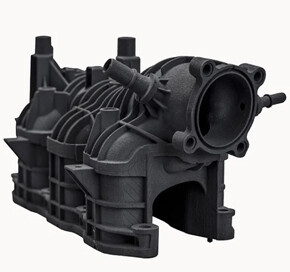
The prototype material should match the property the test depends on. Weight and thermal feel need the real material; surface and texture need the real finish; a mechanism needs the real material and process to behave correctly. When the test is about dimensions and layout, a lighter surrogate may do, but the surrogate’s limits are noted and the result is qualified against the difference. The honest approach is to state which properties the prototype represented and which it did not, so the user-test results carry that context into the decision.
Multiple Prototypes for Comparison
Design validation often improves when several options are tested side by side against the same user and the same criteria. Two handle shapes, two button forces, two surface finishes, and the users compare them in hand. The comparison gives the decision a basis: users rate the options, and the design team picks on evidence rather than preference. The prototypes for comparison must be matched except for the variable being tested, otherwise the result measures the wrong difference. The discipline of matched comparison prototypes is what gives design validation its power.
Capturing Usable Results
The test results are usable when they are captured against the question. Record the tasks, the successes and failures, the comments, and the observed behavior, tied to the prototype variant. The results feed the design change: this button force is too light, this handle is hard to grip, this surface feels premium. The prototype program should produce a list of findings with the evidence, not just a vague “users liked it.” The finding list is what the design team changes the product against.

The Iteration Between User Test and Design
Prototyping for user testing is iterative: test, find, change, re-prototype, retest, until the design meets the requirement and the users confirm it. Each round costs the prototype time, so the test should focus on the highest-risk interaction and carry one or two changes per round, so the result is interpretable. The loop ends when the design passes the validation criteria with the users, and the final prototype records the design that did it. That prototype becomes the reference for the next stage, whether it is engineering, tooling, or production.
What to Ask Before the User Test
- What interaction or requirement is being tested?
- What properties must the prototype represent?
- How many options are compared, and what is matched?
- What tasks and criteria define the pass?
- How are the results captured and tied to the change?
Bottom Line
Prototyping for user testing and design validation means building the prototype to match the interaction being tested, running matched comparisons where options compete, and capturing findings tied to the design change. The prototype must carry the real size, feel, weight, and behavior the test needs, and the loop of test, change, and retest continues until the design passes its validation criteria with users. The final prototype records the design that the evidence supports. User testing turns a design into a decision, and the prototype is how the two are connected.
Related Capabilities and Turning the Advice Into an Order
The discipline in this article holds best inside a wider capability set, where the drawing, the datum, and the inspection travel with the part across the program. The rapid prototyping 3D printing pages cover the service scope and the tolerances that apply, and the first article ties the design to the measured result. The concrete next step is to send a drawing with the critical features and the datum stated, ask for the DFM review, and request the first-article report with values, so the advice becomes a controlled order instead of a good idea.
Turning the Test Findings Into Design
The user test produces findings, and the design team turns them into changes: this force is too light, this grip is hard, this surface reads wrong. The findings are only useful when they carry the evidence and the priority, so the design changes are made against the real issues. Record the task, the result, the comment, and the variant, and let the list drive the next round. A user test that produces a list of changes the design acts on is a test that paid for itself; one that produces impressions is a meeting. The findings are the bridge from the user to the product.
Recruiting Testers Who Match the User
The user-test prototype is only as valid as the people testing it. The testers should match the actual users: the hand size, the strength, the familiarity, the task. Testing a consumer product on engineers who know it can flatter the design; testing on the real audience finds the issues they will find. The recruitment and the test are part of the design validation, and the findings are only generalizable to the users they represent. A buyer who plans the tester profile with the test gets results that apply; one who tests on convenience gets impressions. The user, the task, and the prototype are the test's three legs.
Running the Test Without Leading the User
The user test is only valid when it does not lead the participant. The task is described, the user performs it, and the moderator observes without suggesting the answer. A test that telegraphs the expected behavior flatters the design and misses the issue. The recording captures the actual experience: the hesitation, the error, the comment. The discipline of an un-led test is what makes the findings real, and the design change is made on the real behavior. The user test's value is in what the user does unguided.
Validating the Design With the Requirement, Not the Demo
Design validation confirms the product meets the defined requirements, and the requirements are the spec, not the demo. The user experience, the dimensions, the function, and the fit are checked against the requirement list, and the prototype is the evidence. A design that impresses in the demo and misses the spec is a design that failed validation; one that meets the spec and shows well is validated. The requirement list is the judge, and the prototype is the proof. Run the validation against the list, and the result is a product decision, not an impression.
The Ethical Read of the User Test
User testing carries an ethical duty: the participants are told what the test is for, their data is handled with consent, and the results are not forced into a predetermined story. A test that is honest with the participants and honest about the results is one the team can use; a test that nudges and reshapes the data is one that repeats the designer's bias. The ethics of the test are part of its validity. The findings are only as usable as the trust behind them, and the trust comes from a fair, transparent test. Run the test frankly, and the results are worth the design change.
Closing the User-Test Loop With a Change
The user test is completed when its findings become a change: the design is revised against the evidence and the next round confirms it. A test that produces a document and stops is a test that taught nothing beyond the reading; one that drives the change and revalidates is a test that worked. The change, the re-test, and the confirmation close the loop and move the design forward with the user at the center. The prototype program is the loop, and the user test is its heartbeat.
Related Capabilities and Guides
For the service scope and the material and tolerance details behind this article, see the rapid prototyping, the 3D printing, and the CNC machining. The first article of your order ties the design to the measured result, and the same drawing, datum, and inspection discipline carry across the program.