

Imagine two stainless component lots with the same drawing and polished appearance. One order records only “stainless finish”; the other identifies the grade, cleaning route, required passivation, verification, and protected packaging. If staining appears later, the second record gives the engineer a basis for investigation. This hypothetical review shows why the RFQ must define more than an attractive surface.
What passivation removes and why shops ask
Include passivation for machined stainless parts on the RFQ when the drawing, service requirements, contamination risk, or customer specification calls for a defined treatment and verification. Identify the alloy and surface condition first. Cleaning, removal of scale or heat tint, and chemical passivation require appropriate selection; none should be assumed from a polished appearance alone.
In the hypothetical lot review, start with what changed during manufacturing. Machining, handling, tools, fluids, and shared equipment can introduce surface contamination. Distinguish a contaminated surface from a grade that is unsuitable for the environment; treating the surface cannot turn one alloy into another.
Carpenter Technology’s passivation discussion identifies contaminant iron and the importance of cleaning before treatment. Use that distinction to ask what the proposed route removes and how success will be checked. Avoid assuming that a single bath handles every residue or surface condition.
BSSA’s machining guidance calls for removing cutting-fluid residues and notes circumstances where acid passivation should be considered. Natural film formation on a suitable clean surface and a contractually specified treatment are related but separate decisions.
Drawing notes and standards references
For the next review step, reconcile the drawing, purchase order, and quality requirements. Specify the material grade and condition, applicable standard and revision, selected treatment details where required, verification, sampling or lot definition, and documentation. Resolve any incompatible assembly materials or trapped-solution concerns before processing.
ASTM A967/A967M-25’s public scope covers chemical passivation treatments and alternative qualitative tests for confirming effectiveness. It does not establish suitability of a grade, treatment, or acceptance criterion for every application. Use the controlled full specification when contractual compliance is required.
ASTM A380/A380M-25’s public scope addresses cleaning, descaling, pickling, and passivation recommendations and precautions. It helps distinguish the broader preparation problem from a narrower treatment callout. Do not treat the two references as interchangeable words for the same operation.
In the fictional comparison, suppose a defined observation finds visible spots on 3 of 30 inspected parts from one lot and none of 30 from the other. The observed fractions are 10% and 0%. Those invented figures illustrate reporting only: they establish neither the cause nor a standard acceptance limit, and the second result does not prove zero risk for uninspected parts.
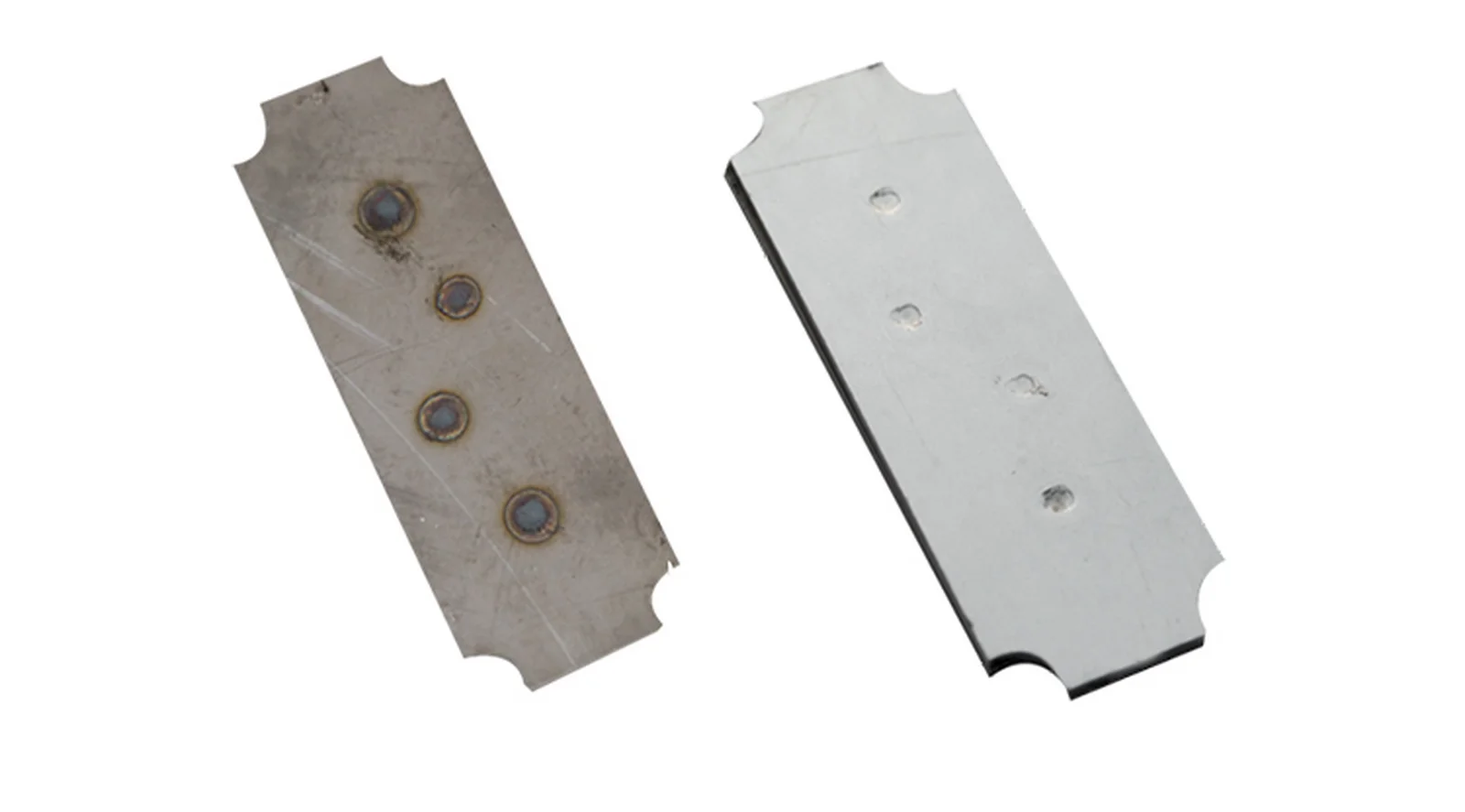
Interaction with bead blast and polish
Check the finish sequence before attributing the hypothetical staining to passivation alone. Polishing or blasting can change the surface and introduce contamination if the tooling, media, or handling route is unsuitable. Define the mechanical finish and subsequent cleaning or treatment together.
The Euro Inox guide hosted by worldstainless distinguishes pickling, cleaning, and passivation and discusses contamination control. Apply the relevant distinction to the actual surface. A requirement to address heat tint or scale should trigger the appropriate preparation review rather than an assumption that a cosmetic polish solves everything.
Map roughness-critical sealing surfaces, inaccessible holes, and surfaces that require a specific appearance. Ask whether the selected treatment can affect those requirements and which checks apply afterward. Protect the cleaned part from recontamination during subsequent operations, handling, and shipment.
Table: RFQ checklist
Use a single checklist to make the quotes comparable. A generic “passivated” line may omit the test, lot traceability, or packaging needed to investigate a later problem.
| RFQ item | Information to provide | Confirmation to request |
|---|---|---|
| Material | Grade, condition, drawing revision | Compatibility with proposed treatment |
| Starting surface | Machining, polish, blast, heat tint or other condition | Preparation and complete sequence |
| Governing requirement | Standard, revision and selected requirements | Resolved treatment and any exceptions |
| Verification | Applicable checks, acceptance and sampling requirements | Agreed method and records |
| Traceability | Lot definition and required identifiers | Link between parts, treatment and results |
| Protection | Handling, cleanliness and packaging needs | Prevention of recontamination |
Have the responsible engineer resolve blanks before the order is released. The provider may propose a practical process, but a proposal should not silently replace a customer requirement. Record the approved exception or revised drawing where a change is necessary.
FAQ
These questions address specification details that should be settled before sample approval.
Does every machined stainless part require the same acid passivation treatment?
No. Review the grade, contamination risk, service, fabrication history, and contractual requirements. Clean stainless steel can form its passive film naturally, while a specified treatment may still be required. Select the appropriate route and verification for the particular component.
Can a shiny finish prove that contaminant iron has been removed?
No. Visible appearance does not reliably reveal all surface contamination. Define the relevant inspection and treatment-effectiveness checks for the grade and governing requirement. Keep cosmetic inspection separate from evidence that the specified passivation process was performed and verified.
Related process selection notes
Return to the hypothetical investigation with a structured evidence request. Identify when and where spots appeared, how the parts were handled and stored, what was observed, and which surfaces were affected. Compare material records, cleaning and treatment records, finish operations, verification, and packaging between the lots.
A photograph can locate a symptom but does not identify its chemistry or establish the mechanism. Avoid declaring every spot to be base-metal corrosion or proving a treatment failure from color alone. Obtain the examination appropriate to the actual issue before selecting a corrective action.
For repeat procurement, retain the approved route and evidence requirements. If the grade, mechanical finish, treatment, or packaging changes, assess whether the earlier verification still applies. The useful outcome of the review is a reproducible specification and record, not a general claim that all stainless parts need an identical treatment.
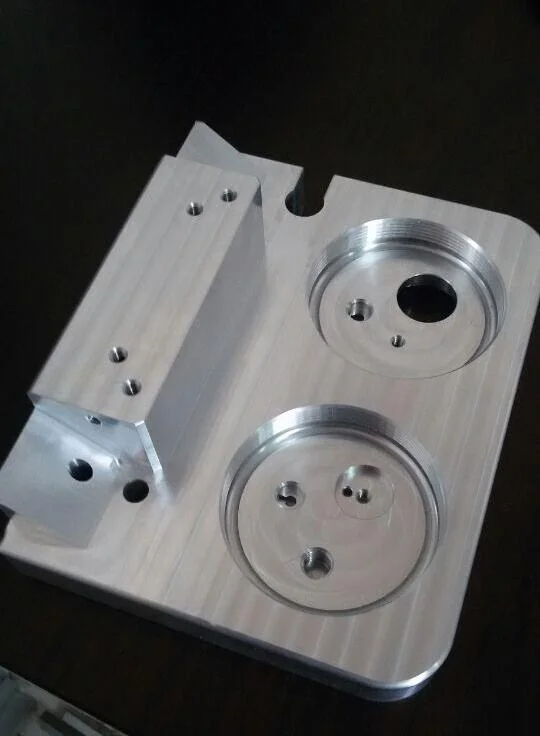
Internal links and next steps
Send the model, drawing, quantity, material grade, service conditions, finish sequence, required standard, and verification plan. Review the stainless material and machining route, then confirm the proposed passivation process and related finishing requirements.
Request a quote with the passivation callout, lot definition, and required acceptance records. Confirm the specific supplier route and evidence before order release.
FAQ
These questions address specification details that should be settled before sample approval.
Does an ASTM reference prove 6CProto holds a passivation certification?
No. A standard reference defines an intended requirement when appropriately specified; it is not evidence of a supplier certification or process approval. Confirm the actual processing route, applicable documentation, and required acceptance records for the order.
Can passivation replace pickling when heat tint remains?
Do not assume so. Cleaning, descaling or pickling, and passivation serve different surface-treatment needs. Assess the actual contamination and oxide condition and specify the appropriate sequence. Confirm that the final surface and dimensions meet the intended requirement.