Michael Wang

Founder & Mechanical Engineer

As the founder of the company and a mechanical engineer, he has extensive experience in advanced manufacturing technologies, including CNC machining, 3D printing, urethane casting, rapid tooling, injection molding, metal casting, sheet metal, and extrusion.

Table Of Contents

Nylon is the workhorse of functional 3D printing. SLS and MJF both use nylon powders to produce parts that are tough, durable, and dimensionally useful—brackets, housings, ducts, and mechanisms that actually work. The choice within nylon is the real decision: unfilled PA12 for general function, glass-filled for stiffness, carbon-filled for lightweight rigidity, each with its own surface and processing behavior. This guide sorts the options.

Why Nylon Dominates Functional Printing

Nylon combines the properties functional parts need: toughness, fatigue resistance, chemical resistance, and a familiar engineering-plastic behavior. Printed nylon parts survive handling, assembly, and use in a way that brittle resins cannot, which makes SLS and MJF the default for functional prototypes and low-volume production parts.

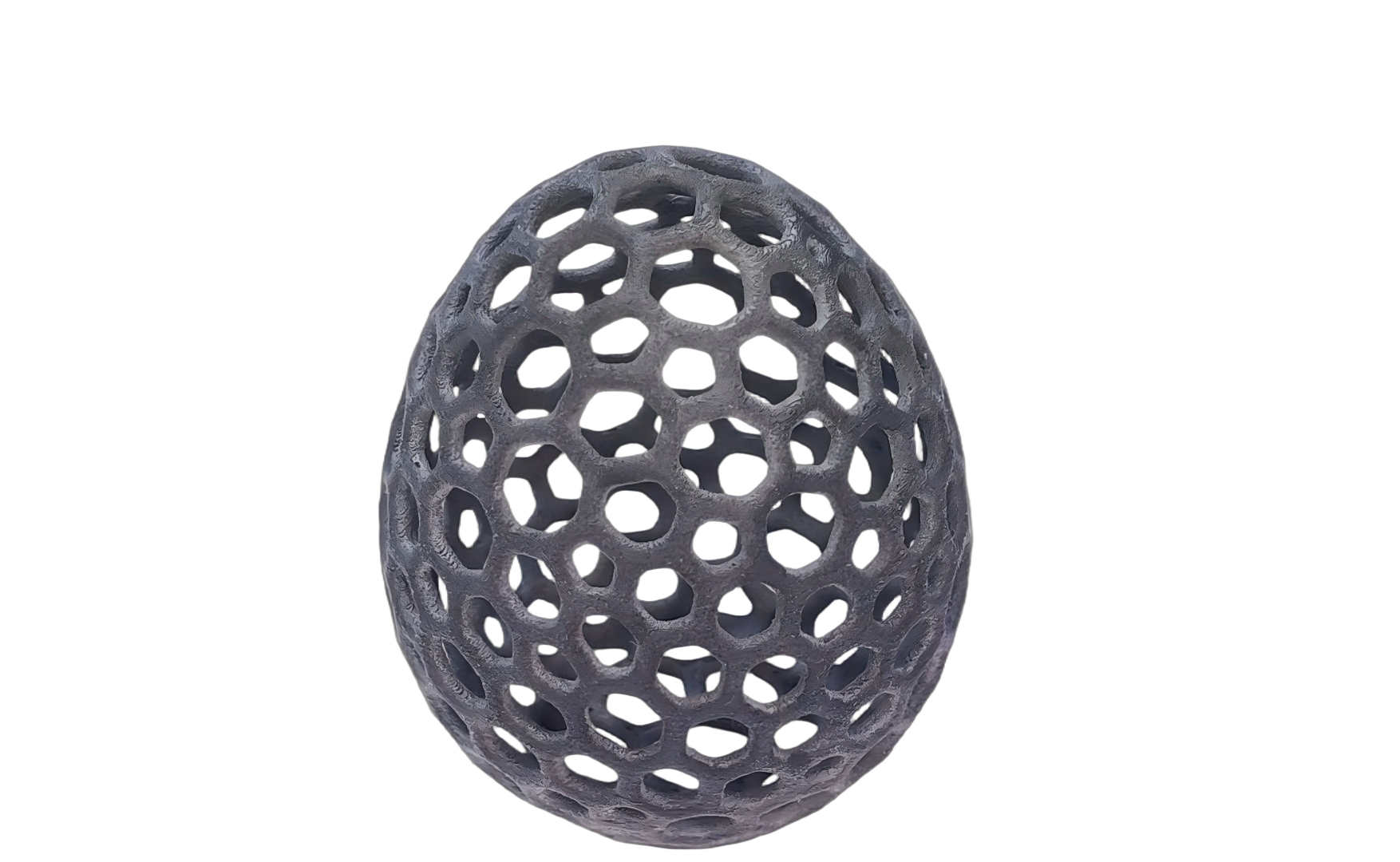
The second advantage is design freedom. Powder-bed processes need no supports for most geometry, so nylon prints can include internal features, living hinges, and complex ducts that other processes struggle with. The combination—tough material plus free geometry—is what puts nylon at the center of functional printing.

The design freedom has a boundary. Nylon prints well in open, self-supporting geometry, and features that hang or bridge still need the design to respect the process. The buyer should not assume every geometry prints; the printability review catches the features that need support or orientation. The design freedom is real, and it is bounded by the physics.

The nylon part’s behavior is also a material story. The toughness is the headline, and the fatigue resistance and the chemical resistance are the supporting cast; the part that cycles, slides, or contacts chemicals benefits from all three. The buyer should name the operating conditions—the load, the cycles, the chemicals—so the material is confirmed for the real use. The nylon part that works is the one whose environment was specified.

PA12 vs. Glass-Filled vs. Carbon-Filled

The nylon family splits into three practical options:

Material Character Best for
PA12 (unfilled) Tough, balanced, good finish General functional parts, mechanisms
PA12-GF (glass-filled) Higher stiffness, better heat resistance Brackets, housings needing rigidity
PA12-CF (carbon-filled) Lightweight stiffness, low warp Drone parts, structural prototypes

The trade is stiffness versus toughness and surface quality. Glass and carbon fill add stiffness and dimensional stability at the cost of some ductility and a rougher surface. The selection follows the load: mechanisms favor unfilled, rigid structures favor filled.

The grade selection is written as a load statement. A bracket that must not flex under a repeated load favors a filled grade; a living hinge that must flex without cracking favors the unfilled. The buyer should state the load and the flex, so the grade follows the function. The grade that is chosen from the load is the grade that serves the part.

The filled grades change the post-processing and the surface. The glass and the carbon fibers roughen the surface and wear the tools in any secondary machining, and the finish path is planned accordingly. The buyer should not expect a filled part to finish like an unfilled one; the surface and the post-processing follow the grade. The grade that is specified with its finish is the one that delivers.

Dimensional Behavior and Moisture

Nylon responds to moisture. Printed nylon absorbs water, which affects dimensions and mechanical properties over time. The practical consequence is that nylon parts should be dried and handled under controlled conditions, and that long-term dimensional stability depends on the environment.

The moisture plan starts at the powder. The nylon powder is dried before the build, and the printed parts are handled and stored to limit the moisture uptake. The buyer should ask how the supplier manages the moisture, because the material state is part of the part’s quality. The nylon part that is dry is the part that holds its dimensions.

The dimensional requirement sets the plan’s strictness. A part that must hold a tight dimension in service needs a controlled moisture plan and a design that accounts for the environmental change; a part with generous tolerances is more forgiving. The buyer should state the dimensional requirement and the environment, so the plan and the design match the need. The nylon part that holds its dimension is the one whose moisture was managed.

The buyer-facing rule is to specify the operating environment and the dimensional requirement, and let the supplier manage the material state. A nylon part that must hold a dimension in a humid environment needs a different plan than one in a controlled interior.

Surface Finish: SLS vs. MJF

Both processes produce grainy, matte surfaces, but MJF generally yields a finer, smoother surface than SLS. The difference matters for appearance and for parts that slide or seal. Where the surface is functional, the finish can be improved with post-processing rather than assumed from the process.

The surface finish is measured, not described. A sliding or sealing surface carries a finish requirement, and the measurement—a roughness reading on the functional surface—confirms it. The buyer should specify the finish value with the drawing, because the grainy default is not a finish standard. The surface that meets the requirement is the one whose finish was specified and measured.

The process choice follows the finish. Where the surface matters, MJF’s finer texture or post-processing—blasting, sealing, or machining—delivers the standard; where the surface is hidden, the SLS grain is acceptable. The buyer should match the process and the post-processing to the surface requirement, because the finish is part of the part’s function. The nylon part that performs is the one whose surface was planned.

The selection is by the part: a cosmetic housing prefers MJF or post-processing; a hidden bracket accepts either. The finish requirement belongs on the drawing, and the process choice follows it.

The surface difference between the two processes is a texture and porosity story. The MJF surface reads smoother and more uniform out of the machine, while the SLS surface carries the powder-bound texture; the buyer who needs the cosmetic result should specify the finish path with the process choice rather than let the surface surprise the product review.

Post-Processing Nylon Parts

Nylon parts can be post-processed for function and appearance: bead blasting smooths the surface, dyeing adds color, painting covers the grain, and secondary machining achieves tight fits. Each step adds cost, so the post-processing plan should match the part’s requirement.

The post-processing plan is written with the part’s role. A functional bracket needs the machined fits and little else; a cosmetic housing needs the blast, the dye or paint, and the clear coat. The plan should be in the quote, so the buyer sees the post-processing cost and the supplier delivers the standard. The post-processing that is planned is the post-processing that is priced.

The dye is the economical color route for nylon. It penetrates the material, offers a limited color set, and suits production parts where the color range suffices; painting covers the grain and delivers the full color range at a higher cost. The buyer should choose the color route by the part’s requirement—the brand match, the surface, and the budget. The nylon part that is colored right is the one whose finish route was chosen for it.

For functional parts, machined fits on critical surfaces are common. For cosmetic parts, the finish path—blast, dye, paint—defines the result. The production quote should include the steps the part needs.

Applications That Fit Nylon Prints

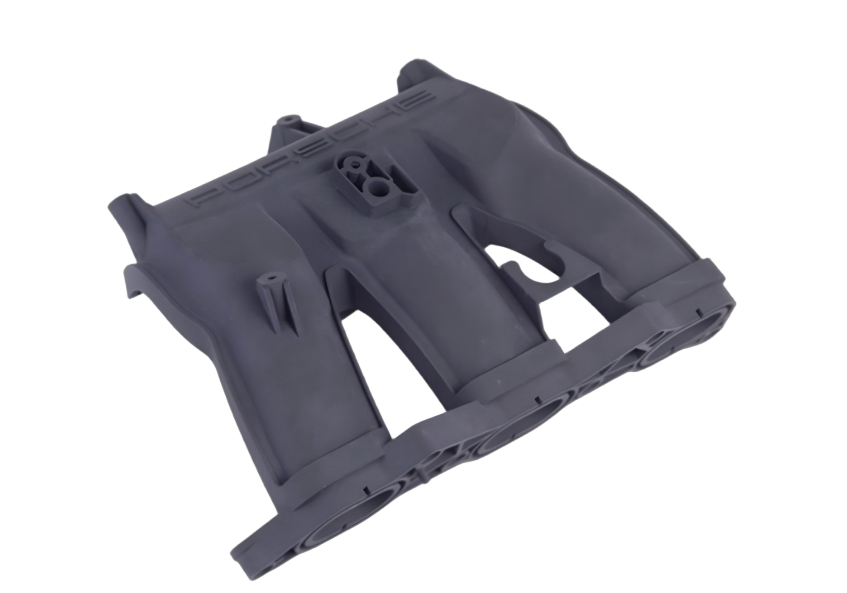
The applications that fit nylon printing share a pattern: functional, complex, and low-to-moderate volume. Brackets and housings, ducts and channels, mechanisms with living hinges, drone and robotics parts, and custom fixtures all appear. The common thread is that the part needs toughness and geometry that molding cannot justify at the quantity.

The evaluation is the load and the environment: nylon prints serve real function, but the requirement should be validated with the actual part rather than assumed from the material family.

The application review should include the assembly. A nylon bracket that mounts to a metal frame carries the fastener and the torque; a nylon housing that encloses electronics carries the fit and the heat. The assembly context is part of the requirement, and the part is validated in it. The buyer should describe the assembly with the part, because the nylon part’s success is measured in the assembly it serves.

The quantity and the alternative processes are part of the decision. A nylon print at 50 parts may be the right production route; the same part at 5,000 may move to molding. The buyer should compare the routes at the actual quantity, because the crossover is the production decision. The nylon print that is right is the one chosen for its quantity and its function.

The nylon print’s fit in the product is the final test. The ductile, durable behavior serves the parts that snap, slide, and carry, and the application review should match the material to the motion and the load; the buyer who places nylon in the parts that flex and carry gets the material’s value, and the buyer who places it in a rigid cosmetic part pays for capability it does not use.

Get a Nylon Part Quoted

Nylon is the material that makes printed parts functional. The choice within the family—PA12, glass-filled, carbon-filled—follows the load, and the surface and post-processing follow the part’s role.

6CProto’s 3D printing service runs SLS and MJF with nylon options, and the 3D printing materials page lists the available grades. When you request a quote, describe the load, the environment, and the surface requirement, and the engineering team can confirm the nylon grade and the post-processing plan.

Conclusion

Nylon makes printed parts functional, and the choice within the family makes them right for the job. PA12 balances toughness, filled grades add stiffness, and the surface and post-processing follow the part’s role. The evaluation is load, environment, and geometry—and the validation is the actual part.

The next step is to state the load and environment, confirm the grade and post-processing with the engineering team, and validate the functional requirement before production.

FAQs

Why is nylon the default for functional printing?

It combines toughness, fatigue resistance, chemical resistance, and design freedom. Powder-bed nylon parts survive handling and use, which is what functional parts need.

What is the difference between PA12, glass-filled, and carbon-filled nylon?

PA12 is tough and balanced; glass-filled adds stiffness and heat resistance; carbon-filled adds lightweight rigidity with lower warp. The choice follows the load and weight requirements.

Does moisture affect nylon prints?

Yes. Nylon absorbs water, which affects dimensions and mechanical properties. Drying and controlled handling are part of the process, and the operating environment should be specified.

Which process gives the better surface, SLS or MJF?

MJF generally produces a finer, smoother surface than SLS. For cosmetic parts, choose accordingly or add post-processing such as blasting, dyeing, or painting.