

Explore Manufacturing Application Guides
Why Smart-Device Hardware Generations Start Small
Smart devices rarely jump from prototype to mass production. The path runs through small batches: a beta for early users, a limited edition for the market, and a test run for the channel. Each batch carries cost, feedback, and risk, and low-volume manufacturing keeps all three small. The strategy is the risk structure: a product generation is a sequence of batch experiments, and the device that succeeds is the one that grew through the batches it could afford.
This guide covers how enclosures and internal chassis are produced at low volume, how limited and beta batches are structured, how multi-version test runs converge the design, and where the bridge to full production begins. It is written for hardware founders and product managers planning the small-batch path for a smart device.
Designing for Flexible, Tool-Free Production
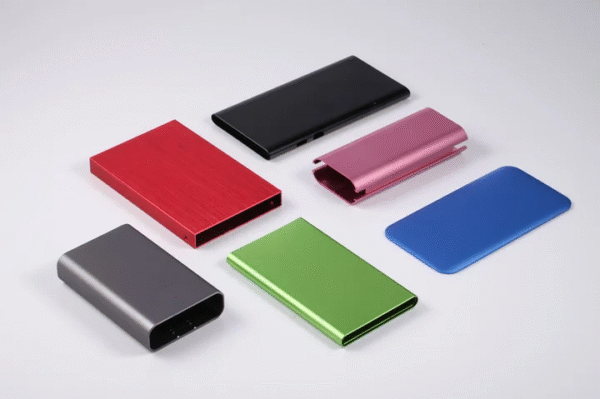
The physical device is the enclosure and the chassis: the shell, the internal structure, the mounting features, and the thermal path. At low volume, these parts are machined or produced without tooling, and the process must deliver product-grade fit, finish, and tolerance at small batch sizes. The practical approach is to design the enclosure for the low-volume process from the start, validate fit and finish on the first batch, and keep the functional geometry stable so it survives the later transition to higher volume.
- Fit. The screen, buttons, ports, and battery compartment are fitted to the enclosure, and gaps and travel are checked in assembly. Fit is the product’s feel, and the first batch is the first place it is measured honestly.
- Finish. Color, texture, and surface treatment are checked against the sample, and the batch is produced to that standard. Finish is the product’s identity, and it must be a written standard, not a memory of the sample.
- Assembly. The internal structure, fasteners, and routing determine whether the device can be built repeatedly at small scale. A design that needs custom tooling to assemble is a design that will not bridge to production.
Keeping the functional geometry stable while the batch plan changes is the discipline that makes the later transition possible. Screw bosses, battery retention, antenna clearance, and thermal pads carry over to the molded or higher-volume version even when the cosmetic shell changes.
Why Flexible Lines Beat Dedicated Tooling at Low Volume
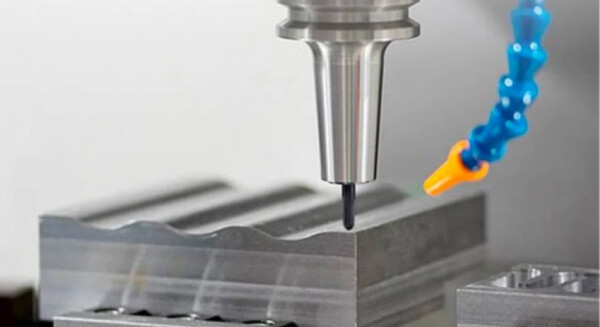
Low-volume production cannot afford tooling that amortizes over millions of parts, so the winning setup is a flexible line: CNC machining for enclosures and chassis, sheet metal for brackets and shields, 3D printing for geometry validation, and manual or semi-automated assembly for the final build. Each part is produced by the process that fits its geometry and quantity, and the same line can switch between product versions without re-tooling.
That flexibility changes the design rules. Machined enclosures allow features that molding cannot do cheaply at low volume: undercuts become possible, and wall thickness can be tuned per batch. The trade is per-part cost: machining is more expensive than molding per unit, so the flexible line is the right answer exactly until volume justifies tooling. The art is knowing that crossover, and the crossover is different for each part family in the device.
Beta and Limited Batches as Market Experiments
Limited and beta batches test the market and the product, and each is a production run with a defined purpose and a defined size. The batch plan should match the purpose: enough units for the beta users, enough for the limited edition, and production carried to the product standard.
- Limited editions measure willingness to pay. The price point is tested against demand, and sales, returns, and channel response are the market’s signal. The price should be set deliberately, because the batch is the experiment.
- Beta batches put the device in real hands for feedback. Beta units are built to the release configuration, including packaging and documentation, and the feedback loop is planned before the units ship. Usage data, support tickets, and return patterns become the design evidence for the next revision.
The two experiments answer different questions, so they should be scheduled with their purposes separated. A price test contaminated by a known firmware bug tells you nothing, and a feedback beta priced like a retail launch changes the user base. Define the question before the batch runs.
Multi-Version Test Runs Converge the Design
Before committing to a single configuration, many programs run several hardware versions in small batches and evaluate them against the same criteria. The multi-version run is only useful if the test is consistent: the same fixtures, the same inspection checklist, and the same usage test across versions. Revision control is the backbone, because a mixed bag of modifications across the versions makes the comparison meaningless.
Mechanical, electrical, and firmware versions should also be coordinated in the run. A hardware candidate combined with an unstable firmware build produces feedback that cannot be assigned to the right version, so the firmware tag belongs with each unit. The same discipline applies to packaging: if the unboxing experience is part of the evaluation, the packaging revision should be recorded with the device revision.
`n
The output is a design decision, not a warehouse: one version survives, or the best features merge into the next configuration. Each candidate version should be defined by a controlled revision, and the evaluation criteria, drop tolerance, thermal margin, assembly time, and cost, should be written before the batch runs. The multi-version run is how small batches converge a design that a single big run would commit too early.
The Bridge From Batch to Full Production
At some volume, the math flips: machining per-part cost exceeds the amortized cost of a mold, and the design moves to injection molding or a scaled-up production line. The bridge is a process change that preserves what the batches proved: functional geometry, fit, and finish standard.
The transition also needs a documented part list and supplier record. The molded version will be quoted against the machined part list, so the batch program should record part names, material grades, finishes, and current unit costs in a single bill of materials. That document is what the mold shop prices against, and updating it per batch turns procurement from a fresh negotiation into a controlled revision. Teams that skip the record keep rediscovering their own history at the worst possible moment, during the tooling quote.
`n
Three things make the transition cheap. First, the functional geometry stayed stable through the batches, so the molded version accepts the same internals. Second, the assembly sequence was documented, so the line layout can be planned instead of invented. Third, the production standard, fit, finish, and test criteria, was written down, so the molded version is measured against the same bar. The program that treated its batches as experiments gets a bridge; the program that treated each batch as isolated production starts over.
What Low Volume Costs the Smart-Device Maker
Low-volume manufacturing has honest costs, and the smart-device maker should plan for them: machining minutes cost more than molding repetitions, setup and inspection are a larger share of each batch, and per-part price is higher than at scale. The offset is what the batch buys: speed to market, real usage data, and the option to change the design cheaply. The right financial frame is not per-part cost but portfolio cost, the total spent across the batches that a generation needs to converge on a product worth scaling.
Review the quote against the product’s price and margin, because the batch is funded by the margin. Approve the sample against the specification before the batch runs, because the batch reproduces the approved sample. Each small batch that carries the product standard is an investment with a defined payoff; each batch that runs without one is an expense. The material grades and finish combinations used in the batches should also be recorded, because that record is what the higher-volume quote will be built from.
Running the Small-Batch Program
6CProto’s low-volume manufacturing services combine the processes a smart-device batch needs: CNC machining for enclosures and metal parts, sheet metal for shields and brackets, 3D printing for geometry validation, and surface finishing for the product finish. The consumer electronics industry page describes how these processes combine for smart-device programs, and the rapid prototyping stage covers the builds that precede the batch. For the engineering validation stages that each batch should pass, the article “Advanced CMM Inspection: A Practical Framework for Custom Part Quality Control” explains the dimensional evidence the batch should record.
Define the batch purpose and size, choose the production path, set the finish and test standard, and run the batch that produces the data. The batch program benefits from quality-system documentation consistent with the process-control expectations of standards such as ISO 9001 for quality management (NIST measurement and standards guidance), which is the same audit trail that full production will require.
FAQ
How many units should my first batch be?
Enough to answer the batch’s question and no more. A beta needs enough units for the test user base; a limited edition needs enough for the channel and a realistic demand signal. The purpose defines the size, and the first batch should be the smallest size that produces credible data.
Can a machined enclosure match the finish of a molded one?
With the right finishing sequence, yes, for most small-batch needs. Machined surfaces are finished by media blasting, brushing, anodizing, or painting to the product standard. The finish standard should be written and sampled before the batch, because the appearance is the product’s identity.
When should I move from CNC batches to injection molding?
When the demand forecast justifies tooling. As a practical signal, when the monthly volume reaches the range where the molded per-part cost and amortized tooling beat machining over the program’s expected life, the bridge makes sense. Preserve the functional geometry through the transition, and the molded version carries forward what the batches proved.