

Explore Injection Molding Design & Tooling
A smaller release can require more manufacturing coordination than a larger one-time order. Each restart brings material preparation, tool setup, inspection, and shipment decisions back into play. For low volume injection molding, the useful brief describes when accepted parts are needed and what must remain available between releases, rather than stating an annual total alone.
What low-volume means in practice
Low volume injection molding should be briefed as accepted quantities, release timing, material requirements, and tooling responsibilities. Separate the first order from possible reorders, identify what must be validated before shipment, and agree ownership, storage, maintenance, and restart conditions. No universal quantity threshold or minimum order applies to every molding program.
For engineering, the important distinction is whether the design and process will stay stable long enough to justify dedicated tooling. A limited production requirement with a frozen drawing is different from a development batch whose next revision is already likely. Label forecast quantities and committed releases separately.
The low-volume injection molding scope should identify the resin, finish, quantity by revision, and acceptance evidence. Ask the quotation to state its assumptions. Avoid turning a broad service description into an unsupported promise about minimum order, unit price, or delivery for the actual part.
Cadence vs one-shot lots
A one-time lot can amortize setup across one production campaign. Several smaller releases can reduce finished-goods inventory while repeating setup and restart work. Neither schedule is inherently preferable; compare them against the design-change risk, demand uncertainty, and cost of holding parts that may become obsolete.
Send a release calendar with a firm initial quantity and clearly labeled scenarios for later orders. Include the notice needed for a restart, packaging requirements, and whether material must be reserved. Confirm who approves a later release when the drawing is unchanged but a material lot or machine setup changes.
BASF’s cooling-time guidance explains why cycle estimates depend on heat removal and part conditions. A quotation based on an assumed cycle should not be treated as a guaranteed delivery capacity. Review the actual operating and acceptance assumptions before relying on the release schedule.
Tool ownership and storage
Tool ownership, possession, and permission to use a shared mold base are separate commercial questions. Record which components the buyer purchases, where they will remain, and which records accompany them. A line reading tooling paid does not settle access, transfer, or future use.
Agree storage duration, inspection before restart, maintenance responsibility, and the response to damage or corrosion. Identify who authorizes repairs and how changes are recorded. Uddeholm’s mould-steel guide discusses wear, corrosion, maintenance, and tooling economy; these are relevant lifecycle considerations even when the initial order is small.
Ask for a tool identifier, current revision, condition record, and transfer inventory. If the tool depends on a supplier-owned base or particular interfaces, document that limitation before purchase. These requests define the manufacturing handoff; the actual ownership and liability terms need to be stated in the parties’ agreement rather than inferred from industry custom.
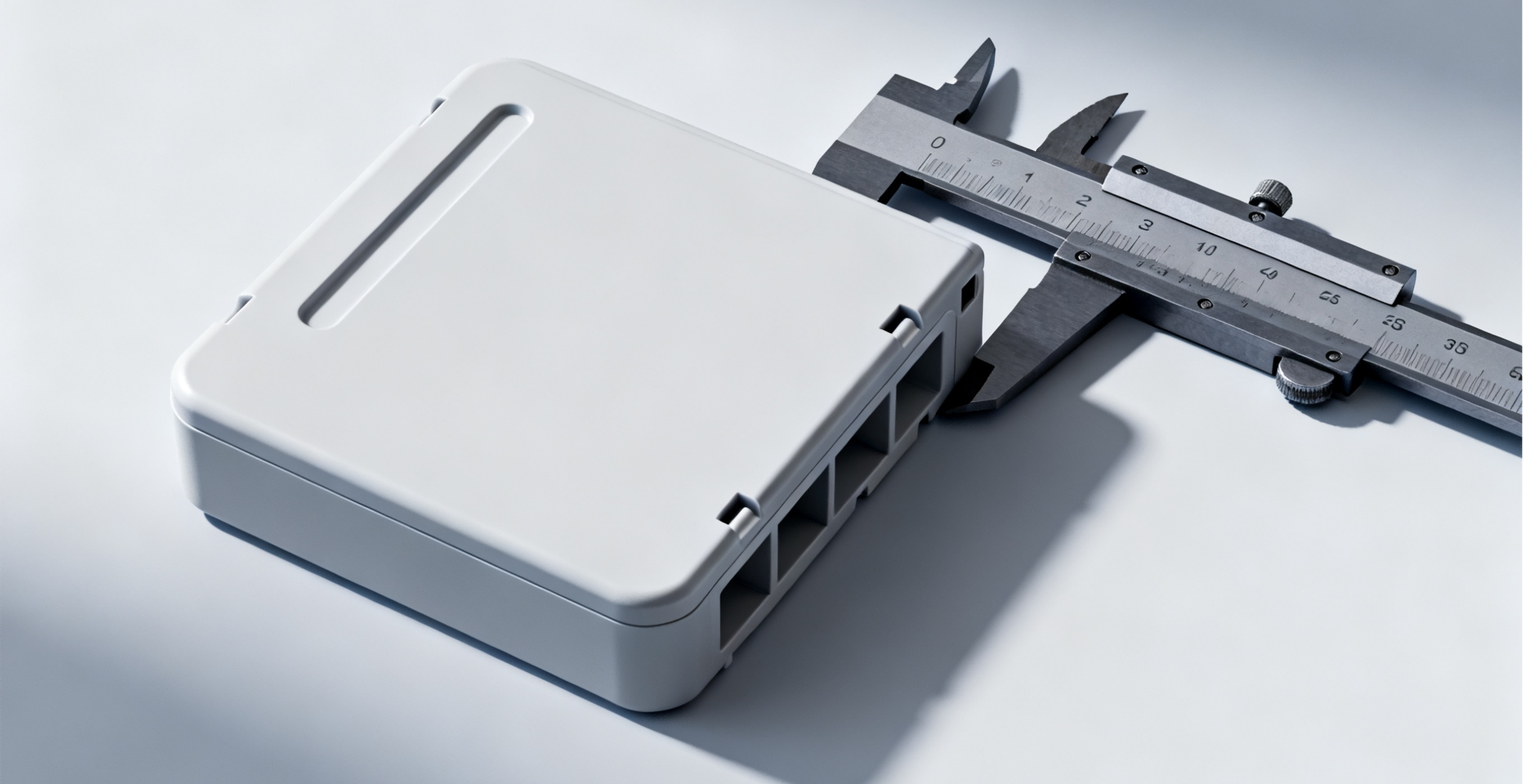
Table: cost drivers without unit prices
Compare offers by the work included, not simply the number beneath a unit-price heading. A lower recurring figure may exclude setup, sampling, inspection, or packaging that another offer includes. The aim is to make the release obligation comparable without publishing invented price benchmarks.
Ask which activities repeat with every order and which occur only when the design or process changes. Keep optional development work separate from the work required to deliver accepted parts.
| Driver | Question for the brief | Evidence or agreement | Change that triggers review |
|---|---|---|---|
| Tooling | Which components are purchased? | Tool specification and ownership inventory | New geometry or transfer |
| Restart | What work repeats per release? | Setup and restart inspection scope | Long storage or changed conditions |
| Material | What exact grade and color are required? | Approved material identity and substitution rule | Alternative resin or concentrate |
| Acceptance | Which characteristics require records? | Inspection plan and report format | New functional or cosmetic limit |
| Delivery | How are lots packed and identified? | Packaging and release schedule | Split shipments or special handling |
Quality plans sized for small lots
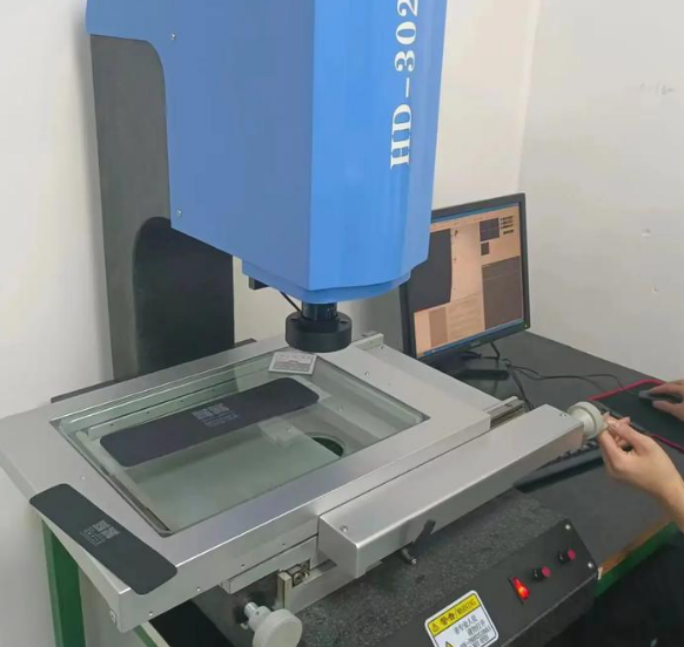
Size the quality plan to the consequences of failure and the evidence available. A small order does not make a critical feature less important. Identify the characteristics requiring direct inspection, the tests consuming samples, and how suspect output will be contained after a failure.
NIST’s lot acceptance sampling material distinguishes lot-disposition decisions from general process monitoring. NIST’s overview of acceptance plans explains sampling decisions and the associated producer and consumer risks. Neither reference means that an unspecified AQL phrase is a complete small-lot inspection plan.
Agree the actual sample basis, characteristic classification, acceptance response, and applicable method. Where the available lot is too small for the proposed destructive testing, resolve that conflict before ordering. The drawing should still state the functional requirements unambiguously; ASME Y14.5 supplies a recognized language for geometric requirements without prescribing this project’s acceptance limits.
When to stay in CNC or urethane instead
Stay with a tool-free route when the next design change is more valuable than a batch of identical molded parts. Machining can be appropriate where the chosen stock material and accessible geometry answer the test question. Urethane casting can be appropriate for certain appearance or assembly batches when the selected casting resin is adequate.
Neither alternative automatically represents the final injection-molded component. A machined part may lack molding-related orientation and weld features; a cast substitute may differ from the intended thermoplastic. State the uncertainty each route will resolve and avoid expanding its result into a production-material qualification.
For a low-volume manufacturing program, compare the cost of another revision alongside tooling and recurring production work. If the geometry is frozen and the intended molding resin is essential to the test or product, the molding route may become more useful. The decision belongs to the actual function and release plan rather than a universal part-count rule.
FAQ
These questions address specification details that should be settled before sample approval.
Does paying for tooling include indefinite free storage?
Only if the agreement says so. Define storage duration, condition checks, maintenance, insurance or damage responsibilities where relevant, and the procedure when the program becomes inactive. Identify any charges or notice requirements in the quotation. A paid tool and an ongoing storage service are different scope items, so neither team should rely on an unwritten assumption.
Can the supplier combine two releases into one material lot?
That can be considered if the material, traceability, storage, and release requirements permit it. The buyer should understand whether this means reserving raw material or manufacturing finished inventory in advance. These choices carry different revision and shelf-storage implications. Agree the arrangement before ordering, including how parts are identified and what happens if the forecast changes.
What should accompany the first reorder after a long gap?
Provide the current drawing revision, confirmation of material and finish, the required release quantity, and any changed functional requirements. Ask for the tool-condition and restart checks defined in the original agreement. If the records or tooling condition are uncertain, resolve that before production. An unchanged part number is not sufficient evidence that every manufacturing assumption remains current.
Related process selection notes
Brief the first release and the repeat-order arrangement together. Provide the controlled CAD and drawing, exact or candidate resin, quantity by revision, release scenarios, required reports, and tool-storage expectations. Identify the person who can approve a substitution or engineering change.
For the plastic injection molding review, ask the supplier to return a proposed tool scope, restart plan, and list of open requirements. Confirm whether later orders need new first-article checks and how those checks will be charged and documented.
Send 6CProto the quantity, release cadence, and tool-ownership brief for a quote and DFM review. A useful response makes the first shipment and future restart obligations clear enough for engineering and purchasing to approve the same program.