

Most searches for silicone manufacturing mix two different trades. One produces silicone molds for casting polyurethane or resin, which is a low-cost toolmaking exercise. The other injects liquid silicone rubber to make the silicone part itself, which is a high-precision molding process.
Silicone molds for casting, and LSR molding, are not the same thing
A silicone mold used for casting is a block of cured rubber with a cavity taken from a master pattern; the mold is the tool, and the parts made in it are polyurethane, resin or wax. LSR injection molding works the other way round: the silicone is the finished material, and it is injected into a steel mold where it cures. Confusing the two leads to the wrong supplier, the wrong tooling budget and the wrong tolerance expectations.
| Question | Silicone mold for casting | LSR injection molding |
|---|---|---|
| What is the silicone? | The tool | The finished part |
| What is the mold made of? | Cured silicone rubber | Steel |
| Typical quantity | Tens of parts | Thousands and above |
| Tolerance behaviour | Soft tool, wider variation | Steel tool, repeatable over a long run |
| Best used for | Design validation, appearance samples | Production parts that seal, flex or insulate |
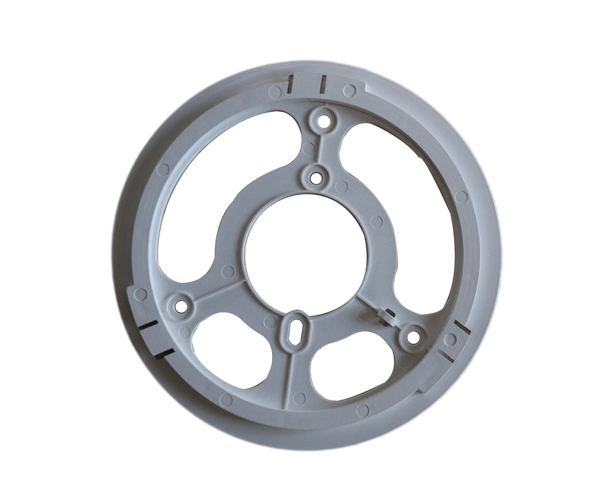
Can silicone rubber be injection molded?
Yes, and it is standard for production silicone parts.
Liquid silicone rubber is supplied as two components that are pumped, mixed and injected into a heated steel mold, where the heat cures the part in seconds rather than hours. The process produces parts with consistent hardness and dimensions, which is why seals, gaskets, keypads and medical components are usually molded rather than cast. The alternative, compression molding of solid silicone, remains useful for very large or very low-volume parts but cannot match injection molding for repeatability.
The process has one notable constraint: silicone will flow into any gap it can reach, so the mold has to be built with precisely controlled shut-off faces. That is why the tooling budget for LSR is closer to a precision thermoplastic mold than to a soft silicone casting mold, and why an experienced LSR toolmaker matters more than a general molding supplier.
What a manufacturer should provide on a moulded silicone project
The deliverable is more than parts. A capable manufacturer supplies the material grade with its certification, the trial samples with hardness and compression results recorded, a first-article report covering the dimensions the drawing controls, and a statement of the process parameters used, since silicone properties shift with cure conditions. Where the part has a sealing function, the report should also include the functional test that establishes the seal rather than dimensions alone.
Three practical items are often overlooked. The expected compression set behaviour, which determines whether a gasket keeps sealing after long service; the post-cure treatment, which removes volatiles and stabilises properties; and the cleaning and packaging method, because silicone attracts dust and a part can be dimensionally correct and still fail an incoming inspection on contamination.
Design decisions that determine whether LSR is viable
Silicone parts are usually designed for function rather than appearance, which changes the design priorities. Undercuts and thin membranes are achievable because the material is elastic, but wall thickness should be kept reasonably uniform to avoid cure imbalance. Sharp internal corners concentrate stress and can tear in service, so generous radii serve both moulding and function. Where the part must bond to a substrate, the interface geometry has to mechanical lock as well as rely on adhesion.
Two decisions should be made before tooling is committed. The hardness grade, since a soft part and a firm part need different tooling and process settings, and the acceptance criterion, since a seal is judged by whether it seals rather than by whether it measures. Material and property data are published by ASM International, and applications contacting food or the body bring requirements from the US Food and Drug Administration depending on intended use.
How to compare LSR manufacturers
Compare on capability evidence rather than on price per part. Ask which durometer ranges are run regularly, whether the cold runner system is in house, how flash is controlled on sealing faces, and what the validation package contains. A supplier who can describe the seal test they run has usually moulded this class of part before; one who talks only about cavities per cycle has not answered the functional question.
It is also worth asking how material lots are controlled and whether secondary curing is performed in house, because both affect consistency across a long production run. Where the programme needs prototypes first, silicone parts can be validated early through cast urethane or silicone tooling before steel is committed, and that route is described under urethane casting. Process measurement guidance is published by the NIST Manufacturing Extension Partnership, drawing conventions follow ASME, and process waste obligations are set out by the US EPA.
One more practical comparison point is lead time for the cold runner system itself, since it is often the longest item in the tooling schedule and sits on the critical path before trials can begin.
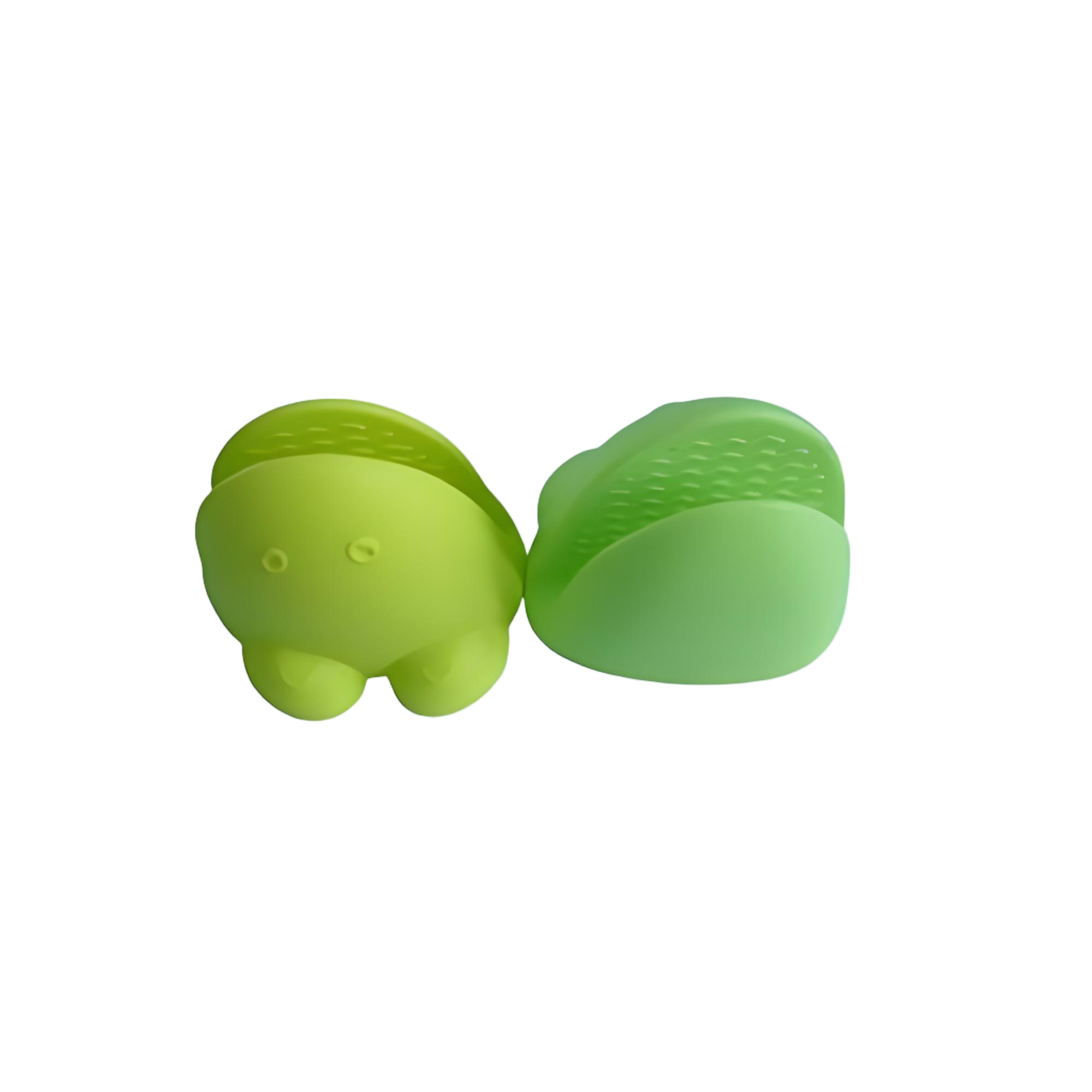
Send the drawing with the hardness grade and the seal or protective function, and request an LSR injection molding quote with the validation package outlined.
FAQ
What company makes silicone rubber parts rather than silicone molds?
An LSR injection molder makes the silicone part itself using a steel mold and a cold runner system. Suppliers who make silicone molds for casting produce tooling for polyurethane or resin parts, which is a different trade with different tolerances.
Can silicone rubber be injection molded?
Yes, and it is the standard production route. Two liquid components are mixed and injected into a heated steel mold where they cure quickly, giving repeatable hardness and dimensions that compression molding cannot match.
What should an LSR manufacturer provide with the parts?
Material grade and certification, trial samples with hardness and compression results, a first article report on the controlled dimensions, the process parameters used, and a functional seal test where the part has a sealing role.