

Two otherwise identical aluminum covers can leave a paint line with opposite results. One was anodized, sealed, and dyed for a show finish, then sprayed with a general-purpose topcoat after a solvent wipe. The film looked fine on day one and peeled at the edges after handling. The other part was anodized to a written paintable state, scuffed to a named profile, primed with a system the paint supplier supports, and checked for adhesion before the lot was released.
That contrast is the practical answer to how to paint anodized aluminum. The anodic film is not ordinary bare metal, and paint adhesion on anodize has to be specified as a sequence. The sections below explain why the failure happens, when to anodize first, and what belongs on the drawing if anodizing and painting are split between shops.
Why paint fails on anodized aluminum more often than on bare metal
Paint fails on anodized aluminum more often than on bare metal because a sealed anodic film is hard, chemically inert, and often too smooth for the coating to key into. Residual seal chemistry or dye can also interfere. Specify the anodize state, mechanical prep, and a primer the coating supplier supports.
Bare aluminum is reactive. It can be cleaned, conversion-coated or etched, and then painted with a system designed for that pretreatment. A sealed anodic coating is closer to a ceramic skin. It resists corrosion and wear, which is why designers specify it, and that same inertness is why a casual wipe-and-spray often fails. Trade discussions of painting anodized aluminum repeatedly return to surface state and mechanical key, not to a magic topcoat name.
Failures cluster at edges, rack marks, and handling points because those are where the topcoat is thin and where the part is flexed or rubbed. The anodic film may still be intact underneath. That is useful diagnostic evidence: the substrate did not rust through; the coating never formed a durable bond. Surface finishing quotations should therefore treat paint over anodize as a defined process, not as a decorative afterthought on a CNC machined part.
Sealed vs unsealed anodize, dye, and what the painter actually needs
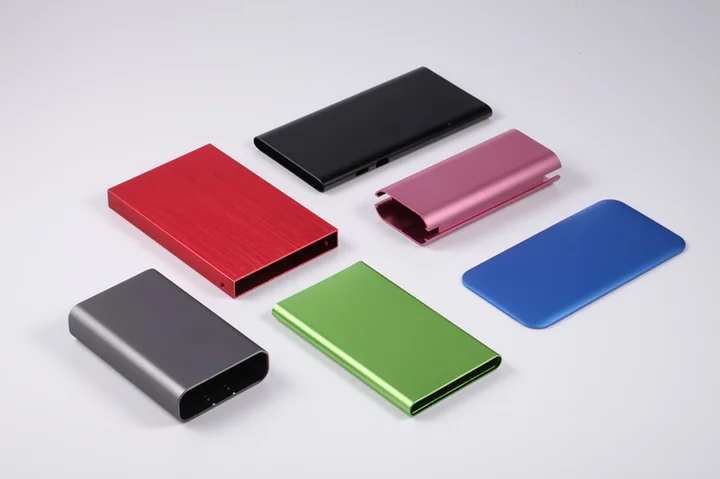
The painter needs to know whether the anodic film is sealed, whether it is dyed, and which anodize type was used. A hydrothermal seal closes pores and improves stain resistance; it also reduces the surface energy that a later coating wants to wet. An unsealed or specially sealed film may be paintable, but only if that state is written on the order and protected in handling. Pointing at a specification such as ASTM B580 or MIL-A-8625 is useful only when the notes also say whether a paint system follows.
Dye complicates the sequence. Color can bleed, shadow through a thin topcoat, or leave residues that interfere with primer wet-out. If the visible color will be the paint, dye may be unnecessary. If the anodize is only a corrosion underlayer and the paint is the appearance, say so, and do not pay for a cosmetic dye lot that the painter will cover.
Give the painter the same facts the anodizer used: alloy, anodize type, seal, dye, rack locations, and the time window between anodize and paint if the process requires one. The Aluminum Anodizers Council is a useful starting point for process language. Do not invent bake times or primer formulas in the drawing; require the coating manufacturer’s data sheet for the actual substrate.
When to anodize first, and when to paint bare aluminum instead
Anodize first when the oxide film has a job of its own: wear on a sliding face, electrical insulation, corrosion resistance under a later coat, or a requirement inherited from the rest of the product family. In those cases, paint is a second system and must be designed around the film. Paint bare aluminum when the coating system is the corrosion and appearance layer, and anodize would only add a difficult substrate.
A hybrid is common on mixed-function parts: anodize and leave unpainted on wear or bonding faces, and paint only the cosmetic covers. That hybrid only works with a mask plan. Otherwise the painter coats a sealing surface, or the anodizer films a face that needed a conversion coat under paint.
If a program has already suffered peeling, do not “try a better paint” on the same sealed decorative anodize as the first experiment. Revisit whether the anodic film is required. Changing the substrate state is often cheaper than chasing adhesion on a surface that was never intended to be painted.
Table: surface states and typical adhesion risks
The table is a risk map, not a process recipe. Confirm every coating step with the anodizer and the paint or powder supplier for the alloy and the specification you actually call out.
| Surface state | What the painter is bonding to | Typical adhesion risk | What the drawing should freeze |
|---|---|---|---|
| Bare aluminum, cleaned and pretreated | A conversion-coated or etched metal surface | Oil, oxide bloom, or skipped pretreatment | Pretreatment type and the coating data sheet |
| Unsealed or paint-ready anodize | A porous or specially prepared anodic film | Handling stains, delayed paint, or an unplanned seal | Anodize type, “do not seal” or named seal, and the paint window |
| Sealed clear or hard anodize | A closed, hard, often glossy oxide | Poor mechanical key and residual seal chemistry | Required scuff or blast profile and a compatible primer |
| Dyed and sealed decorative anodize | A sealed film plus dye residues | Bleed-through, uneven wet-out, edge peel | Whether dye is required at all, plus prep and adhesion testing |
Mechanical prep, primers and mask plans that belong on the drawing
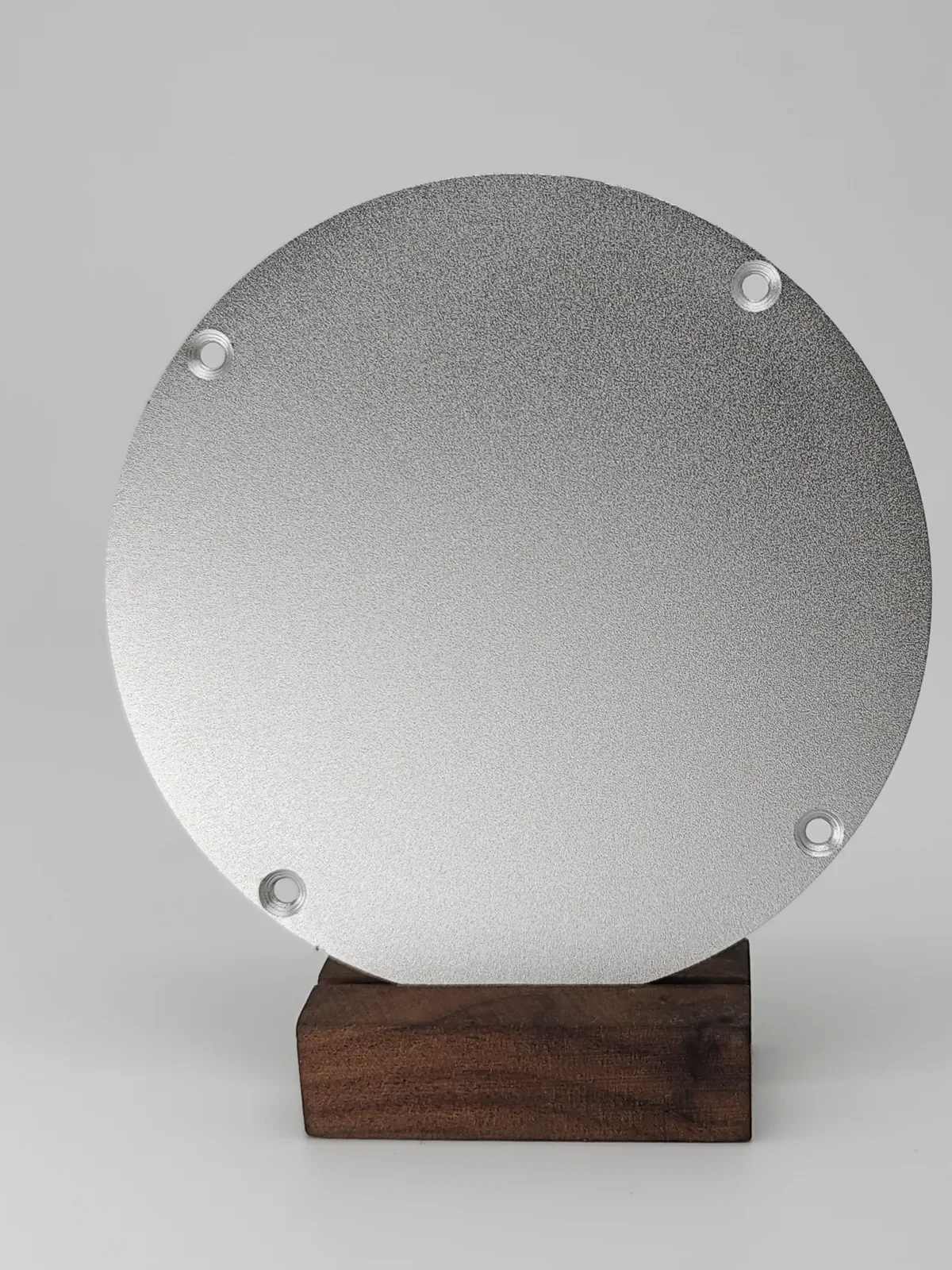
Mechanical prep is how most successful paint-over-anodize jobs create a key. The drawing should name the method (scotch-brite, specified abrasive, or a fine blast), the faces that receive it, and the faces that must not be dulled. “Sand until it looks matte” is not repeatable. If blasting can break through a thin anodic film or round a sharp logo, say so and keep those features masked or pretreated another way.
Primers should come from the coating system, not from a leftover can in the shop. Ask the paint supplier for a product recommended on anodized aluminum and for the process window that accompanies it. If adhesion is critical, name a test such as ASTM D3359 and the rating you will accept, rather than a visual “it looks stuck.”
Mask plans belong on the same sheet. Threads, bonding pads, grounding points, optical windows, and gasket grooves often must stay free of paint and sometimes free of anodize. If two shops share the work, each mask step needs an owner. Otherwise a ground pad is anodized, painted, and then scraped in the field.
Cosmetic acceptance: orange peel, edge build and rack marks
Cosmetic acceptance should be written before the first painted lot, especially when the part was already anodized for appearance. Orange peel, texture mismatch with adjacent unpainted anodize, and edge build at corners are coating issues, not anodize defects. Rack marks from anodizing may still be visible through a thin topcoat, or they may become thin spots where paint peels first.
Define the viewing distance, lighting, and which faces are cosmetic. A uniform texture on a front cover can be mandatory while a rack mark on a hidden flange is acceptable. If edge build would interfere with a snap-fit or a seal, that is a functional criterion and should be measured, not judged from a photograph.
Keep samples. A signed painted standard, and a rejected example if you have one, will settle later lots faster than adjectives such as “smooth” or “show quality.”
RFQ notes if one shop anodizes and another paints
Split processing is where paint-over-anodize programs lose control. The RFQ should say who anodizes, who preps, who primes, and who applies the topcoat or powder. It should also say how parts are protected between shops so a paintable film is not sealed, stained, or handled with oily gloves.
Include the alloy, the anodize specification, seal and dye instructions, rack or contact locations, the coating data sheets, mask views, and the adhesion or cosmetic standard. If you need corrosion performance, say whether it is the anodic film, the paint system, or both that must provide it. Qualanod and related architectural quality schemes may be relevant for some appearance work; do not cite a scheme the program does not actually require.
Ask both shops to confirm the sequence in the quotation. A price that covers “anodize” and a second price that covers “paint” is not yet a single process.
FAQ
Can you paint over anodised aluminium?
Yes, if the anodic film is prepared as a paintable substrate and the coating system is chosen for that surface. A sealed, glossy, or freshly dyed anodize often needs a defined mechanical profile, a thorough clean, and a primer the paint supplier supports. Painting over anodize without those steps is a common adhesion failure. If paint is the appearance you need, also consider whether anodize is required at all, or whether a bare-aluminum paint system is the simpler path.
What kind of paint will stick to aluminum?
The paint that sticks is the system specified for the actual surface state, not a generic “aluminum paint” name. On bare aluminum, that usually means a conversion coat or an etch primer plus a compatible topcoat, applied to a clean, unoxidized surface. On anodized aluminum, the same topcoat can fail if the anodic film is sealed and smooth. Follow the coating manufacturer’s data for the substrate you actually have, and name an adhesion check such as ASTM D3359 if the bond is critical.
Will powder coat stick to anodized aluminum?
It can, but it is not automatic. Powder will only adhere if the anodized surface is prepared for that powder system and the cure cycle is compatible with the part. Some programs powder coat over a specified anodic film; others strip the anodize or paint bare aluminum instead. Do not assume a powder that works on pretreated bare metal will key into a sealed decorative anodize. State the anodize type, seal, prep, and the powder data sheet in the purchase documents.
How to refinish anodized aluminum?
Refinishing starts with a decision: keep the anodic film and coat over it, or strip the film and start from bare metal. Keeping the film requires a documented scuff or blast, cleaning, and a coating system rated for anodize. Stripping returns you to aluminum that must be cleaned and pretreated before paint, powder, or a new anodize. Local touch-up of worn dye or scuffs is not the same as a full refinish and may remain visible. Write the chosen path, including mask and rack marks, before work begins.
What to send when painting over anodize is required
Send the drawing with the anodize state, the paint or powder system, the mechanical prep, the mask views, and the adhesion and cosmetic checks you will use. Include alloy, dye and seal decisions, and whether anodize is required under the paint or only on unpainted faces.
Upload the package through the 6CProto request-a-quote form, or send it to projects@6cproto.com or WhatsApp +86 180 2219 4001. Ask the review to confirm the anodize-and-paint sequence so the quotation does not treat a sealed decorative film as a ready-to-spray surface.
Request a 6CProto quote with the anodize state and paint system specified