

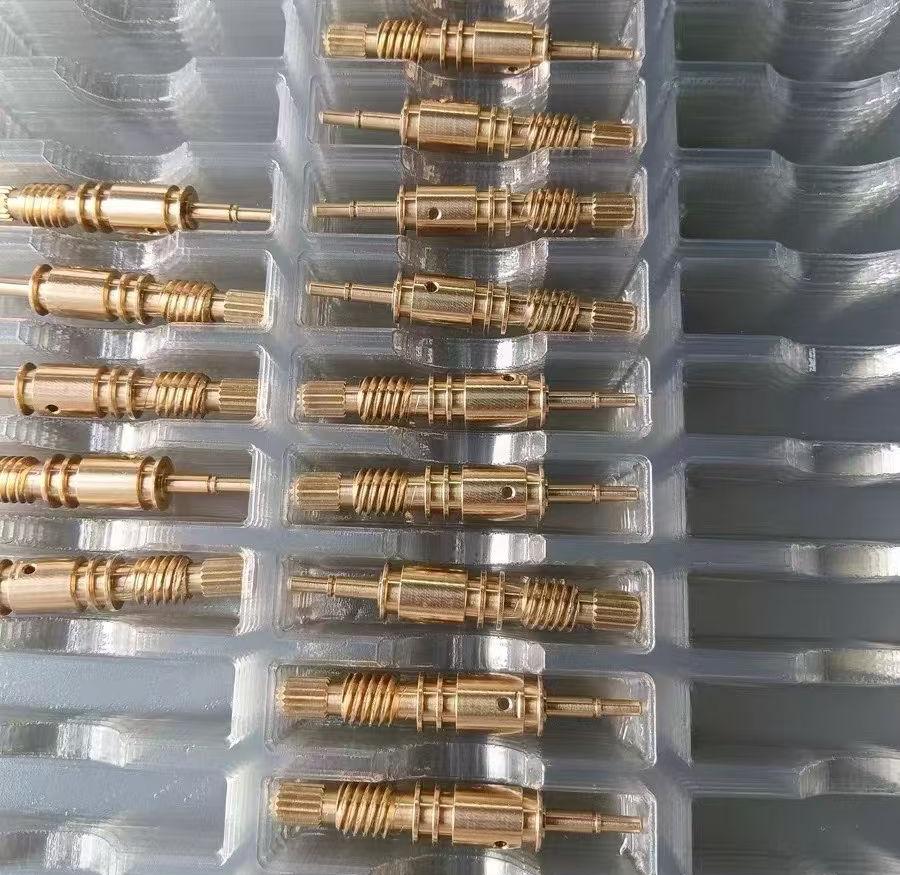
Three suppliers quote the same machined part: one at $8.40, one at $7.90, and one at $9.20 with a note that the drawing’s tight tolerance will need a second operation. The cheapest number looks obvious — until the $7.90 quote arrives without the material certificate, the $8.40 quote includes plating the others quote as an option, and the $9.20 supplier is the only one that flagged the tolerance risk. Manufacturing quotes are not comparable until the scope is comparable. Comparing unit prices without normalizing line items, tooling, shipping, quality documents, and risk is comparing different products wearing the same part number.
Why the lowest unit price is rarely the lowest total cost
The unit price is the visible number, but the total cost includes tooling, setup, shipping, quality documents, inspection, rejects, and the cost of a part that fails in service. A lower unit price can hide a higher tooling charge, an excluded finish, or a supplier that will not stand behind a nonconformance. The total cost also includes the cost of being wrong: a batch that fails incoming inspection costs time and rework regardless of the price per part. Compare the total cost of the order, not the unit price, and weight the suppliers by their history and their response to the drawing.
Risk is part of the price. A supplier that flags a tolerance problem before quoting is saving you from a future reject; a supplier that quotes the impossible tolerance silently is deferring the cost to inspection. The quote comparison should score those responses, because they predict the order’s real cost better than the price column.
Normalizing quotes: line items, tooling, and shipping
Build a comparison table with the same line items for every supplier: material, machining, finish, tooling or setup, quality documents, packaging, and shipping. If one quote includes plating and another does not, the plating cost must be added to the second before the unit prices are comparable. Tooling is a one-time cost that should be shown separately and amortized over the forecast quantity; shipping varies with Incoterms and should be compared on the same delivery term. The normalized table is the only honest basis for comparison, and asking each supplier to quote the same scope is the first step.
| Line item | Supplier A | Supplier B | Supplier C |
|---|---|---|---|
| Unit price (as quoted) | $8.40 | $7.90 | $9.20 |
| Finish included? | Yes | No — add | Yes |
| Tooling / setup | $0 | $600 | $0 |
| Quality docs | Included | Extra | Included |
| Shipping term | DDP | EXW | DDP |
| Normalized total at 200 pcs | $1,780 | $1,940 | $1,860 |
The table is illustrative, but the structure is the method: add the missing line items, amortize the tooling, and compare on the same delivery term. The cheapest quoted unit price can become the most expensive total once the exclusions are added.
Quality documents and inspection in the comparison
Quality scope is a line item whether it is charged or not. A material certificate, an inspection report, and a first-article report cost the supplier time, and that time is either in the price or missing from the order. If the part needs documentation for your quality system or a regulated application, ask each supplier what it includes and what it charges. A quote that excludes the certificate is not cheaper; it is incomplete. The inspection expectation should also be stated: which dimensions will be verified, with which method, and who sees the report. Suppliers who know the inspection plan can price it; suppliers who do not will discover it at the first reject.
The quality-document comparison is especially important across borders, where the certificate format and the language can vary. Define the document set in the RFQ and check the samples before the order, because a certificate that does not meet your requirement is a reject even when the part is perfect.
Risk-weighting suppliers with incomplete quotes
Not every supplier responds to the same RFQ with the same care, and the response itself is evidence. A supplier that asks clarifying questions about the tolerance, the finish, or the inspection plan is doing engineering before quoting; one that returns a bare number may be quoting the easy interpretation of the drawing. Weight the comparison by response quality: capability questions asked, risks flagged, lead time stated, and deviations listed. The supplier that sees the risk and prices it honestly is usually the supplier that delivers without surprises — and the apparent price premium is often the cost of that honesty.
Record the risk flags in the comparison: a tolerance at the edge of capability, an exotic material, a finish that affects fit, or a documentation requirement that the supplier has not done before. Each flag is a reason to prefer a higher quote with a plan, or to probe the lower quote before accepting it.
A side-by-side comparison template
Use a fixed template for every quote: part and revision, quantity, scope of supply, unit price, tooling, finish, quality documents, packaging, shipping term, lead time, payment terms, and risk flags. Keep the template in the same file as the RFQ so the suppliers respond to the same columns. When the quotes arrive, fill the template with the normalized numbers and the risk notes, and compare the total cost columns, not the unit prices. The template also becomes the audit trail for the sourcing decision — useful when the order is reviewed or the supplier history is questioned later.
The reading-quote guide on this site explains what each line of a manufacturing quote means; this page is the multi-quote comparison that follows. A comparison without a template is a memory exercise, and memory is exactly where sourcing decisions go wrong.
A quality example shows why the total includes more than line items. Two suppliers quote the same machined bracket at nearly the same normalized total. Supplier A has a three-year history with the buyer and a defect rate that is documented; Supplier B is new, quotes slightly lower, and has no history on this part family. The buyer weights the comparison: Supplier A’s process is known, its inspection reports match the drawing revision, and a past tolerance dispute was resolved with a corrective action that held. Supplier B’s quote includes the same scope but answers fewer questions about the inspection plan, and its sample report shows a different format with no revision reference. The buyer chooses Supplier A despite the small price difference, because the risk-weighted total — including the probability of a rejected lot and the cost of resolving it — favors the known process. The same method applies to a finish or a material that one supplier has done before: experience with the specific requirement is a capability that belongs in the comparison, not a reason to exclude a supplier, but it should be priced and weighted honestly. The template records the risk notes next to the numbers, so the decision can be reviewed later. That is the difference between comparing quotes and comparing suppliers: the numbers are normalized, and the judgment is explicit.
When the normalized table is complete, check it once more: every quote on the same revision and quantity, every excluded line added, the tooling amortized, the shipping on the same term, and the risk flags recorded beside the numbers. Then choose on the total and the risk, not on the unit price. The template is the discipline that keeps a sourcing decision honest when the quotes are close and the pressure is high.
Frequently asked questions
Should I always choose the lowest total-cost quote?
Not always — the total-cost comparison includes quality and risk, but not every risk is priced. If the suppliers are close on normalized total cost, choose the one with the stronger response to the drawing, the better quality history, and the clearer communication. The lowest number is the tiebreaker only when the scope and the risk are equal.
How many suppliers should I quote against each other?
Three is a practical minimum for a meaningful comparison; more adds information but costs time, and the marginal value drops once the scope is normalized. For high-risk or high-value parts, quote three to five and score them on the full template; for repeat low-risk parts, two or three may be enough to confirm the market.
What if a supplier refuses to itemize the quote?
Ask why. Some suppliers quote single-line prices by policy, but the scope must still be defined: what is included, what is excluded, and what the quality documents cost. If a supplier will not state the scope, the quote cannot be compared, and the risk belongs to the buyer. Itemization is a capability signal, not a request for secrets.
The comparable quote in one paragraph
Compare manufacturing quotes on normalized scope: the same line items, tooling, finish, documents, shipping, and risk. Build the side-by-side template before the quotes arrive, weight the suppliers by their response to the drawing, and choose on total cost and risk, not unit price. The cheapest quote is only cheap when the scope is the same — and the suppliers who ask the hard questions are usually the ones who deliver the part you drew.
If you are building a supplier comparison for a custom part, the 6CProto team can quote the same drawing, finish, and document scope you send to other suppliers, so the comparison is apples to apples from the start.