
Home › Applications › Custom CNC Machined Manifolds
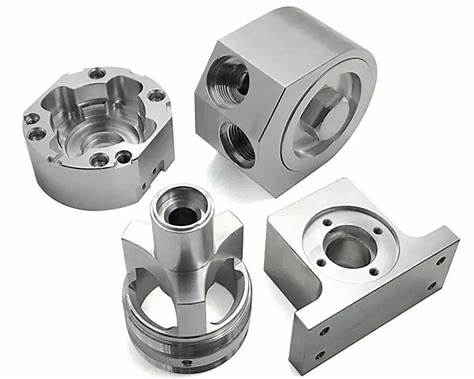
Custom CNC Machined Manifolds
Produce compact manifold blocks with drilled and milled passages, threaded ports, valve or sensor interfaces, sealing lands, mounting features, cross-hole closures, and drawing-defined cleanliness. Every pressure, medium, leak-test, and documentation requirement is reviewed before production.





A Manifold Is a Controlled Network of Interfaces
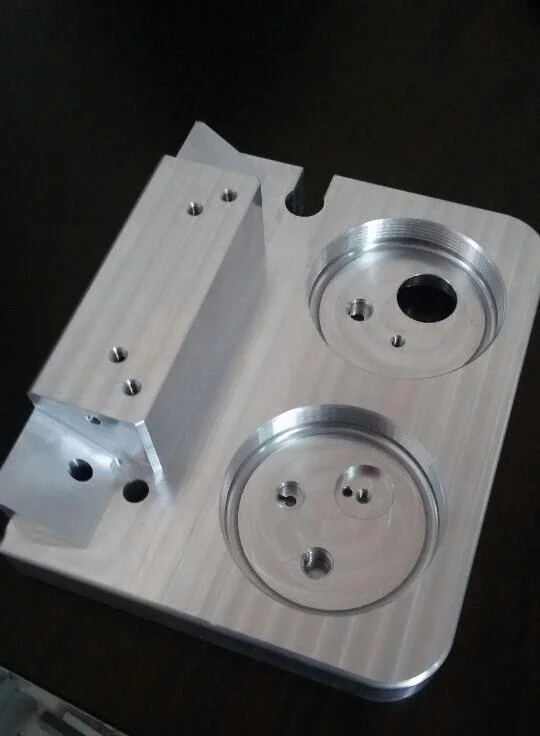
A manifold consolidates flow routing, ports, valves, sensors, restrictions, mounting, and sealing into a machined block. The external shape is only part of the job: internal intersections, drill-tip conditions, cross-hole plugs, burr removal, cleaning access, thread form, seal compression, and inspection access determine whether the part can be manufactured and validated.
Use this application page for completed manifold blocks. Use CNC Milling Services for generic machining and 5-Axis CNC Machining when complex angled access is the primary process need.
Manifold Design and RFQ Map
The drawing must define each functional interface and the evidence required to release the part.
| Manifold Feature | Drawing Input | Manufacturing Risk to Control |
|---|---|---|
| Ports and threads | Port standard, thread designation, class, depth, orientation, gauge method | Wrong thread family, insufficient depth, incomplete engagement, or damaged sealing zone |
| Internal passages | Diameter, intersection, minimum wall, drill-tip allowance, flow-critical geometry | Breakthrough variation, burrs, inaccessible debris, or unintended restriction |
| Cross-hole closures | Plug type, retention, sealant, installation, serviceability, acceptance | Leak path, trapped contamination, or closure interference |
| Sealing interfaces | O-ring standard, groove, compression, face flatness, roughness, finish | Damaged seals, insufficient compression, leakage, or coating interference |
| Medium and pressure | Fluid or gas, working and proof pressure, temperature, compatibility, cleanliness | Wrong material, process, test medium, seal, or acceptance basis |
| Inspection and testing | Critical dimensions, passage verification, leak or pressure test method, records | Unverifiable internal features or an undefined release decision |
Our CNC Manifold Manufacturing Sequence
Process planning starts with the internal network, not merely the outside envelope.
Trace Every Passage
Review ports, intersections, wall thickness, closures, seals, datums, medium, pressure, cleanliness, and inspection.
Select Setups and Tools
Plan workholding, drill lengths, reamers, thread tools, angled access, deburring access, and datum transfer.
Create Block and Flow Paths
Machine external interfaces, bores, passages, threads, sealing features, mounting, and closure locations.
Clean, Inspect, and Test
Remove chips and burrs, complete specified inspection and project-defined testing, then protect all ports for shipment.
Design Ports and Seals as Functional Systems
Thread names, groove dimensions, and surface callouts must match the actual fitting, seal, medium, and validation method.
Ports, Threads, and Plugs
- Call out BSPP, BSPT, NPT, metric, UN, SAE, or other exact standard.
- Separate thread engagement from drill depth and tool-tip allowance.
- Specify spotface, counterbore, chamfer, gauge, and sealing method.
- Define cross-hole plug material, installation, sealant, and verification.
- Provide access for tooling, cleaning, and inspection.
O-Rings and Sealing Faces
- Identify seal standard, size, material, medium, temperature, and pressure basis.
- Control groove width, depth, corner radii, surface, and compression.
- Avoid passage breakthroughs beneath critical sealing lands.
- State post-finish dimensions and coating exclusions.
- Define how flatness, roughness, damage, and leakage are accepted.
Materials and Finishes for CNC Manifolds
The correct material is determined by medium, pressure, temperature, corrosion, cleanliness, weight, fittings, seals, and documentation.
Aluminum
Common for lightweight pneumatic, hydraulic, thermal, and instrumentation blocks. Confirm alloy, temper, anodizing, media compatibility, and post-finish dimensions.
Stainless Steel
Consider for corrosion, cleanliness, temperature, pressure, or media requirements that justify higher material and machining cost.
Brass and Copper Alloys
Useful for selected fluid, thermal, electrical, and fitting applications, subject to exact alloy, media, pressure, thread, and regulatory requirements.
Engineering Plastics
Possible for selected low-load, insulating, chemically compatible, or lightweight applications after review of creep, threads, sealing, temperature, and pressure.
Surface Treatments
Anodizing, passivation, plating, or other finishes must be compatible with the substrate, fluid, cleanliness, seals, threads, and post-finish dimensions.
Material Documentation
State required grade, condition, certificates, traceability, restricted-substance, and end-use documentation before quotation.
Internal Cleanliness and Test Requirements
Internal features require explicit release criteria because many surfaces cannot be judged by an external visual inspection.
Passage and Burr Control
Define acceptable internal edge condition and how intersecting passages are deburred or verified when direct access is limited.
Cleaning and Port Protection
State residue, particle, drying, corrosion-prevention, cap, plug, bagging, and handling requirements appropriate to the system.
Leak or Pressure Testing
Specify test medium, pressure, hold time, allowable decay or leakage, temperature, fixture, sampling, safety, and report requirements.
Drawing, Passage, and Interface Inspection
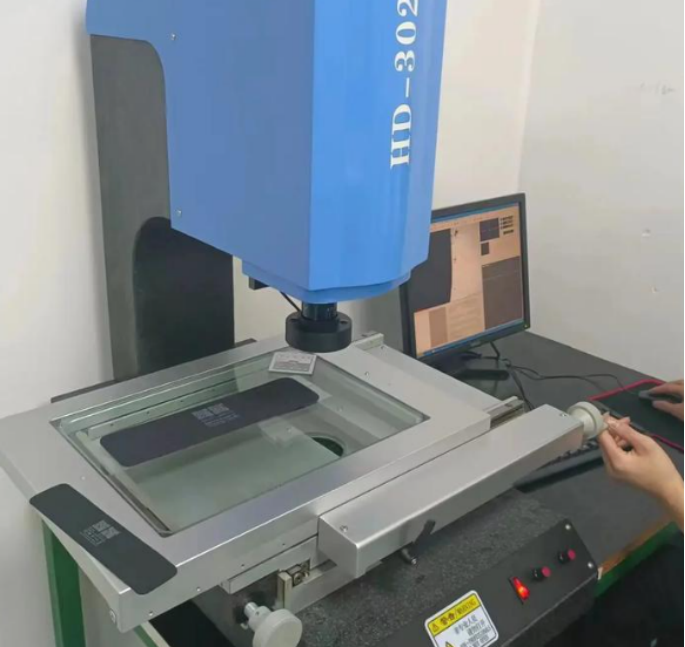
Inspection may include external dimensions, datums, port location and orientation, thread gauging, sealing-face flatness and roughness, passage verification, closure features, cleanliness evidence, and project-defined leak or pressure tests. Availability and sampling are confirmed in the quotation; no test or certification is assumed.
Manifolds Are Not Enclosures with Extra Holes
Separating flow-control intent from housing and generic machining content prevents overlap between the three pages.
CNC Manifold Application
Ports, passages, plugs, sealing lands, cleanliness, and test requirements are the primary search and purchasing intent.
CNC Enclosure Application
For pockets, lids, boards, connectors, gasket perimeters, and cosmetic assembly requirements, use CNC Enclosures and Housings.
Thermal Hardware
Use generic CNC Milling for ordinary parts and CNC Heat Sinks when fins, thermal contacts, and airflow are the primary function.