
Home › Applications › Custom CNC Machined Heat Sinks
Custom CNC Machined Heat Sinks
Manufacture application-specific heat sinks with controlled base geometry, fins, mounting patterns, component interfaces, airflow features, and surface finishes. 6CProto reviews whether the part should be machined from billet or produced from a suitable profile followed by CNC finishing.
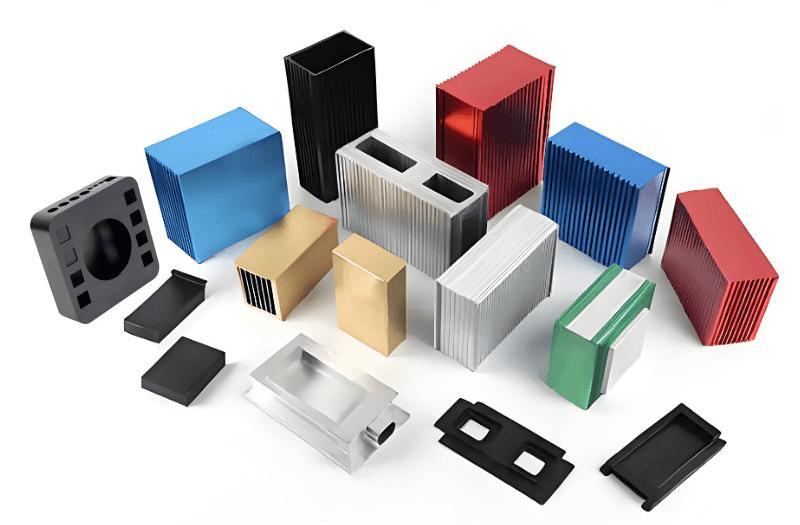





Design the Complete Thermal Path
A heat sink drawing must connect device contact, conduction through the base, convection from the fins, and mechanical integration.
Component Contact
Define the device footprint, thermal interface material, contact pressure, keep-outs, and mounting method.
Base and Spreader
Base thickness, flatness, material, embedded hardware, and local geometry control heat spreading and manufacturability.
Fins and Airflow
Fin direction, pitch, height, thickness, shrouding, fan arrangement, and obstruction affect the thermal design and cutter access.
Assembly Interfaces
Fasteners, clips, frames, ducts, connectors, and enclosure clearances must align to functional datums.
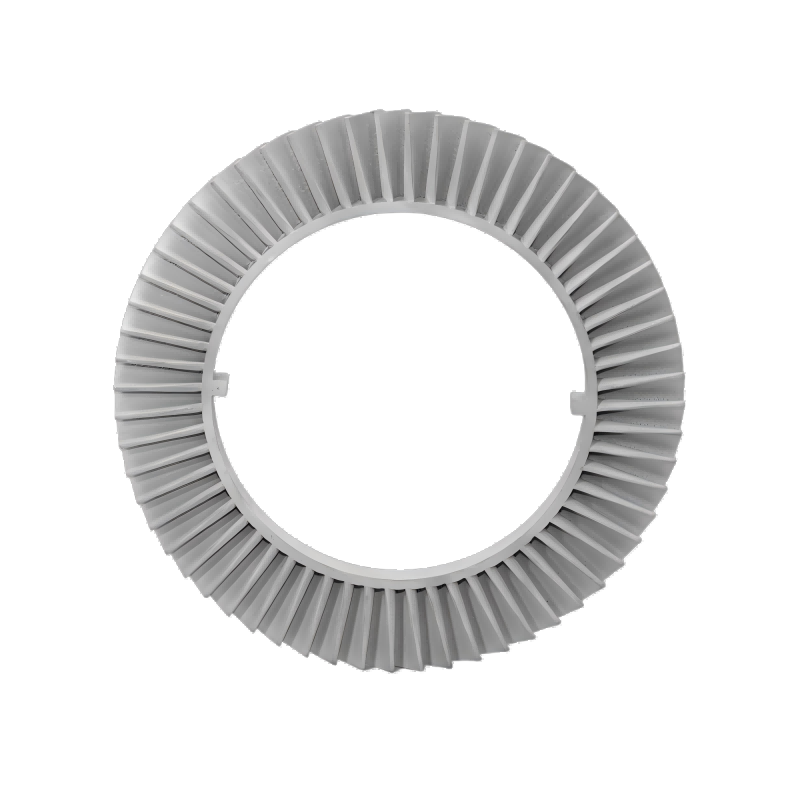
Choose the Right Manufacturing Route
Machining from solid billet offers freedom for irregular footprints, local pockets, mounting bosses, angled features, and integrated interfaces. It can also create high material removal and long tool paths when the fin field is large or very dense.
A suitable aluminum profile can reduce material removal for repeated fin geometry; CNC machining then adds length, base flatness, pockets, holes, threads, cutouts, and application-specific interfaces. Send the annual quantity and design envelope so the route can be compared. Related services include CNC Milling, Custom Extrusion, and Anodizing.
Billet, Profile, or Hybrid Heat Sink?
The lowest-risk process depends on geometry, quantity, thermal architecture, tooling economics, and the number of secondary interfaces.
| Route | Best Fit | Key Tradeoffs |
|---|---|---|
| Billet CNC machining | Prototypes, irregular envelopes, integrated pockets, local bosses, custom mounting, multiple interfaces | High design freedom but greater material removal and tool-access limits for deep narrow fin gaps |
| Profile or extrusion plus CNC | Repeated straight fin fields and production where a suitable section exists | Efficient fin formation, but profile tooling, minimum quantity, section limits, and lead time must be considered |
| Hybrid assembly | Heat spreader, fin pack, cold plate, fan frame, or separate mounting hardware | Can reduce machining but introduces joining, contact resistance, sealing, and assembly controls |
CNC Heat Sink Design Guidelines
Thermal intent must be translated into geometry that can be machined, finished, inspected, and assembled repeatably.
Base and Interface Controls
- Identify the thermal contact zone and required post-finish flatness.
- Define surface roughness only where it affects the interface.
- Locate holes and threads from functional datums.
- Allow for anodizing or plating on fits and contacts.
- State whether the interface must remain uncoated.
Fin and Airflow Controls
- Align straight fins with the intended airflow where applicable.
- Use practical fin thickness, height, and cutter-access spacing.
- Add internal radii where fins meet a milled base.
- Avoid inaccessible cross-slots and unnecessary sharp roots.
- Provide fan, duct, enclosure, and keep-out geometry for review.
Heat Sink Materials
Material choice affects heat spreading, weight, machining, finish, corrosion behavior, availability, and total cost.
Aluminum
Frequently selected for its balance of thermal conductivity, low mass, machinability, availability, and compatibility with anodizing. Confirm the exact grade and temper.
Copper
Considered when greater material thermal conductivity justifies higher density, material cost, cutting forces, burr control, and surface-treatment requirements.
Other Metals
Use stainless steel, brass, or specialty alloys only when mechanical, environmental, or integration requirements justify their thermal and manufacturing tradeoffs.
Surface Finishes for CNC Heat Sinks
The finish must support the environment and assembly without compromising critical contact surfaces or dimensions.
As Machined
Appropriate where tool marks are acceptable and no conversion or applied coating is required.
Anodizing
Common for compatible aluminum heat sinks. Mark thermal contacts, electrical grounds, threads, and fits that require masking or allowance.
Bead Blasting
Creates a more uniform matte appearance on suitable areas but must not replace a controlled thermal-interface roughness requirement.
Nickel or Other Plating
May be considered for copper or other project-specific substrates when solderability, corrosion, appearance, or interface needs justify it.
Conversion Coatings
Can support corrosion or electrical requirements on compatible aluminum, subject to exact process and masking instructions.
Selective Finish Control
Separate cosmetic surfaces from thermal contacts, electrical interfaces, threads, and dimensional fits on the drawing.
Inspection and Thermal Validation
Dimensional conformity does not automatically establish thermal performance; validation requires an agreed test method and system conditions.
Dimensional Inspection
Check base thickness, contact-zone flatness, hole pattern, threads, envelope, mounting interfaces, and selected fin dimensions.
Finish Inspection
Verify masking, post-finish dimensions, color or appearance requirements, and damage-sensitive fin surfaces as specified.
Thermal Validation by Agreement
If testing is required, define the fixture, heat load, sensors, airflow, ambient conditions, interface material, acceptance, and report before quotation.
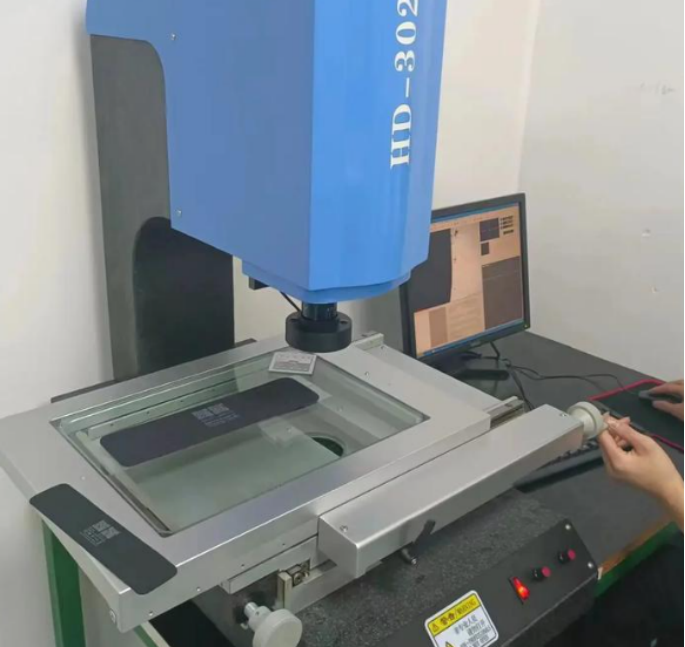
Dimensional Inspection for Heat Sink Interfaces
Inspection emphasis follows the thermal and mechanical interfaces: contact-zone flatness and roughness when specified, base thickness, mounting-hole position, thread quality, overall envelope, fin damage, post-finish dimensions, and masking boundaries. Thermal testing remains a separate, project-defined validation scope.
Heat Sink Application vs. Generic CNC Milling
Keeping the intent narrow prevents this page from cannibalizing the main machining service.
Use This Application Page
For custom heat sinks whose base, fins, mounting, interfaces, finish, and inspection must be manufactured as a thermal component.
Use the Related Page
Use generic CNC Milling for ordinary milled parts. If the thermal features are integrated into the protective body, see CNC Enclosures and Housings.