

A crate arrives at the line marked with the right part numbers, yet operators still spend the shift installing hardware, applying adhesive, and arguing about which faces were left unfinished on purpose. The purchase order said “assembly.” The packing list said “parts.” For semi finished assemblies, that mismatch is a scope problem.
A manufacturing purchase order has to name the deliverable state: what is already joined, what remains unfinished, which hardware ships installed, and which inspection and packing rules keep a line-side kit usable. 6CProto fabricated-assembly quotations can be compared only when that boundary is written down. The sections below show what belongs on the order so a parts-only quote does not quietly replace an assembly intent.
What a semi-finished assembly actually means on a manufacturing PO
On a manufacturing purchase order, a semi-finished assembly is a defined intermediate deliverable: specified parts already joined or left unfinished to an agreed state, with leftover work assigned to the buyer or a later operation. It is not raw stock, and it is not finished until named leftover operations, hardware, and records are complete.
Inventory language often uses “semi-finished goods” as a warehouse or ERP category. That label does not tell a fabricator which seams are already welded, which holes stay open for a mating CNC detail, or whether torque and adhesive are in scope. The purchase order and the revision-controlled assembly drawing have to carry those decisions. If they do not, suppliers will interpret the job as cut parts, and your receiving team will interpret it as a module ready for the line.
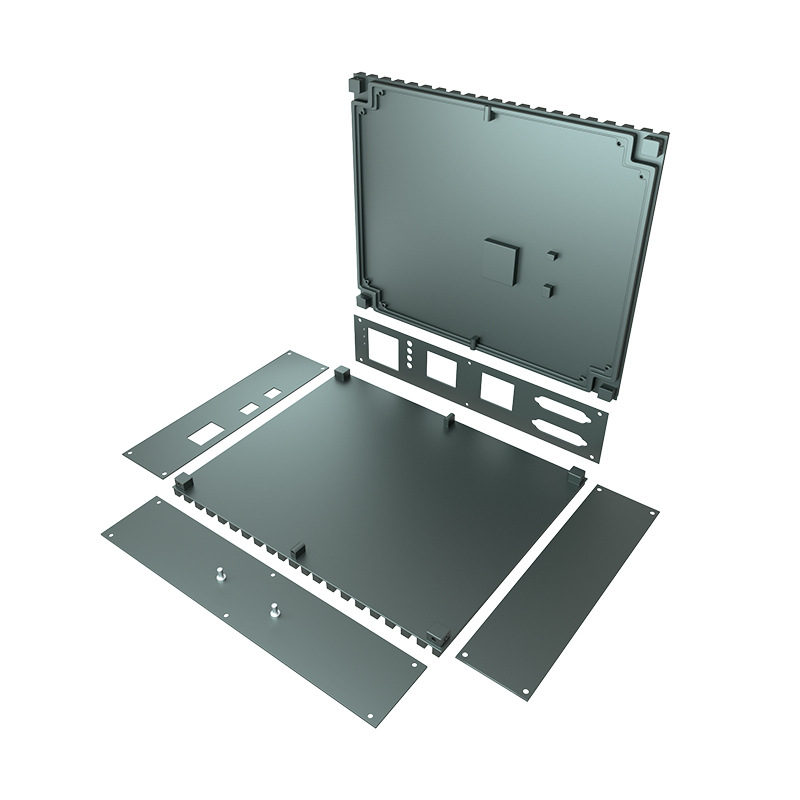
Useful examples are specific. A frame may be welded and destressed, yet still unpainted because the OEM will coat it with the rest of a machine. A cover may be fastened to a chassis, yet two datum faces left oversize for a later machining operation at the buyer. A kit may be bagged by station, yet bearings left unpressed. Each example is a legitimate semi-finished assembly only if the leftover work is named and inspectable on arrival.
Where loose-part shipments stop being cheaper than a subassembly
Loose parts stop being the cheaper option when line-side labor, missed hardware, fit-up risk, and damaged finishes cost more than the apparent unit-price gap. The crossover is not a universal percentage. It appears when your team starts spending production time on work the supplier could have closed under a named assembly scope.
A parts-only shipment looks inexpensive because the quote prices cutting, forming, or machining and leaves joining to you. That can be the right buy when your line already owns the fixtures, the torque tools, and the test stand, and when the interfaces are simple enough that stack-up risk stays in-house by design. It becomes expensive when operators hunt for unspecified inserts, when a cover only fits after a flange is forced, or when a finish is damaged in bulk packing that was never designed for kitting.
Compare total work, not only metal. Count hardware picking, installation, adhesive or sealant application, in-process checks, and the first failed interface. If those hours sit on a constrained industrial equipment line, a supplier-built or supplier-kitted subassembly often lowers landed effort even when the piece price is higher. The purchase order should force both options to state the same leftover-work boundary so the comparison is honest.
Scope items that belong in the assembly package, not in a later surprise
The assembly package should include every item and record required to use the deliverable in the agreed state, not only the parts that appear in a pretty model view. Surprises usually come from work that everyone assumed was “obvious.”
List supplied, purchased, and customer-furnished items on a revision-controlled bill of materials, with quantities per assembly and the finish condition of each detail. Say whether labels, plugs, gaskets, thread-lock compounds, and protective caps ship installed, bagged, or not at all. If a surface treatment must happen before or after joining, name the sequence. If material or process records are required, name the document type on the order instead of assuming a certificate will arrive with the crate.
Also name the work you are deliberately withholding. Downstream tapping, painting, press-fits, or functional tests that stay with the buyer belong in the scope as exclusions, not as silent expectations. A supplier can only price, fixture, and inspect what the package actually assigns. For formed and joined work, keep the sheet metal fabrication scope aligned with the assembly drawing so blank-to-bend decisions do not undo a later interface.
Table: deliverable levels from cut parts to tested subassemblies
Use a deliverable level to freeze what ships, what remains with the buyer, and what has to be inspected. The table is a purchasing tool, not a claim that every job must reach the highest level. Choose the level that matches the line, then copy it into the purchase order so competing quotes describe the same package.
| Deliverable level | What typically ships | Work still with the buyer | What the PO should freeze |
|---|---|---|---|
| Cut or formed details only | Loose parts, often bulk packed | All joining, hardware, finish after blanking, and tests | Part revisions, material, and any features reserved for later work |
| Kitted loose parts | Parts and listed hardware bagged by assembly or station | Installation, torque or adhesive work, and testing | Kit contents, labeling, and missing-item rules |
| Joined semi-finished assembly | Specified joints already made; named features left unfinished | Documented leftover operations such as paint, tap, or press-fit | Join method, unfinished features, and leftover-work list |
| Built assembly, not tested | Hardware and specified compounds installed | Functional or end-of-line test | Torque, adhesive, and installation procedures |
| Tested subassembly | Agreed function or interface check completed | Only work explicitly excluded, such as final system install | Test method, limits, and records that travel with the lot |
Do not compare a tested-subassembly price with a cut-parts price and call the difference a supplier premium. Most of the gap is scope.
Hardware, torque, adhesives and leftover work you must name
Name each fastener, compound, and leftover operation as a scope line, including who installs it and to what instruction. A hardware list without installation language still leaves the expensive work unassigned.
Identify screws, inserts, standoffs, and approved equivalents by manufacturer part number or a complete specification, not only by thread size. PennEngineering’s self-clinching fastener handbook is a reminder that host-sheet limits, hole preparation, and installation access belong in the selection, not as afterthoughts. For tightened joints, state the required torque, lubrication condition, and tool class, or point to the governing procedure. For adhesives or threadlockers, cite the product specification and the curing or handling limits that receiving must respect.
Leftover work needs the same treatment. If faces remain oversize, say the stock allowance and the feature that must stay protected. If a bearing is supplied but not pressed, say so. If paint is excluded because the OEM coats the machine later, state the as-shipped surface condition. Unnamed leftover work is how a “semi-finished” order turns into a dispute about whether the supplier stopped too early or the buyer expected too much.
How to freeze datums, interfaces and unfinished features
Freeze the datum scheme and the mating interfaces at the same revision as the leftover features. A semi-finished assembly is accepted in an intermediate geometry, so the drawing has to say which surfaces are already functional and which are still stock.
ASME Y14.5 provides the geometric language for datums, feature control, and related conditions under the convention used on the drawing. ASME Y14.100 addresses broader engineering-drawing practices that keep the assembly views, notes, and related documents consistent. Use that language to identify the interfaces that must fit a customer tool, a purchased motor, or a later CNC detail.
Call out unfinished features as unfinished, including any maximum or minimum stock, banned operations (for example, no paint on a datum), and the inspection state. If a hole is a clearance now and a precision bore later, say which revision owns the final size. If welding or fastening will be followed by machining, say whether the supplier is responsible only up to the unfinished state. Ambiguous residual stock lets two teams inspect different things and both believe they are right.
Inspection and packing rules that keep line-side kits usable
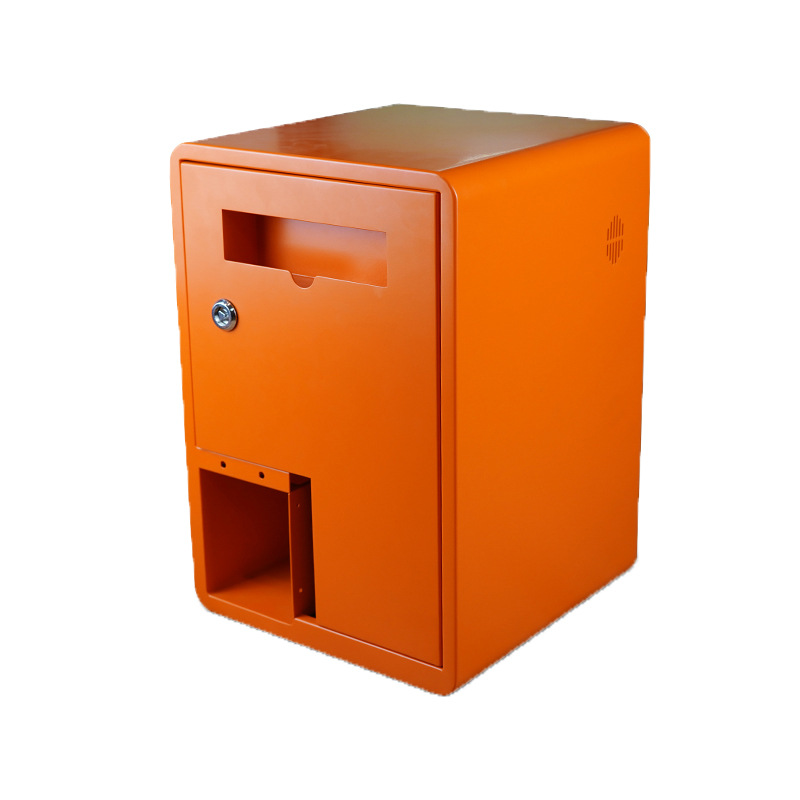
Inspect the assembly in the state that ships, and pack it so the kit can move to the station without losing hardware or damaging finishes. Incoming inspection should not have to guess whether a bare face is a defect or a reserved feature.
Define the checks that belong at this deliverable level: interface dimensions, presence and orientation of installed hardware, unfinished-feature stock, and any records attached to the lot. Dimensional work should follow a stated method and datum scheme rather than an informal bench check. NIST’s Dimensional Metrology Group documents why length-based measurement and agreed methods matter when results must be compared between sites. A shared reference and a written acceptance state matter more than a laboratory-grade procedure for every kit.
Packing is part of scope when the crate feeds a line. Specify kit labels, bagging by station, orientation, moisture or finish protection, and how leftover loose hardware is counted. If a transit test method is required, name it; ISTA publishes packaged-product test procedures that buyers sometimes call out for shipping validation. Do not assume a bulk carton that protects raw blanks will also protect a semi-finished assembly with installed inserts and finished faces.
RFQ files that prevent “parts only” quotes on an assembly intent
An RFQ prevents a parts-only quote when it states the deliverable level, leftover work, and acceptance package as clearly as it states the part numbers. Files without that language invite the lowest metal price, not the intended subassembly.
Send the assembly model, component drawings, bill of materials, and a short scope note that names the deliverable level from the table above. Mark customer-furnished items, approved alternates, and any process that must occur before or after joining. If weld symbols appear, keep them consistent with the drawing convention; AWS A2.4 covers symbols for welding, brazing, and nondestructive examination. If no joining is required in this shipment, say so plainly.
Ask suppliers to price exclusions in writing. A quote that omits hardware installation, torque, packing, or inspection records is not automatically cheaper; it is incomplete. Request a response that restates the leftover work so you can see whether the supplier read “semi-finished assembly” as a joined deliverable or as a box of details.
FAQ
What are examples of semi-finished goods?
In a manufacturing purchase order, examples include a welded frame that still needs paint, a housing with unfinished datum faces reserved for later machining, a fastened module that has not been function-tested, or a kitted subassembly packed for line-side install. The common feature is an agreed intermediate state, not leftover ambiguity. Name the joined work, the unfinished features, and the operations that remain with the buyer so the deliverable is inspectable.
What does "finished product" mean?
On a custom-parts purchase order, a finished product is the deliverable that matches the agreed state on the drawing and the order: leftover operations closed, specified hardware and process materials installed or clearly excluded, and the named inspection records complete. It is not simply a part that looks complete in a photograph. If paint, tapping, testing, or packing still sits with the buyer, the shipment is a semi-finished assembly even if individual components are already cut and formed.
Is a semi-finished assembly just a box of unfinished parts?
No. A box of unfinished parts is a loose-part shipment. A semi-finished assembly already carries defined joining, finishing, or kitting work, and it also states which work is intentionally left incomplete. If the purchase order does not freeze that boundary, suppliers tend to quote parts only, and the line discovers the missing labor only after the crate is opened. Write the intermediate state as a deliverable, not as a casual description.
If hardware appears on the bill of materials, is installation automatically included?
Not automatically. A bill of materials can list screws, inserts, or adhesive without saying who installs them, to what torque or procedure, or whether leftover items ship loose in the same kit. State installation, specified tightening or curing, and any leftover hardware as separate scope lines. Otherwise two quotes can look comparable while only one of them includes the work your operators expected to avoid.
What to send with a semi-finished assembly RFQ
Send a revision-controlled drawing pack, the bill of materials, the chosen deliverable level, the leftover-work list, packing and labeling rules, and the inspection records you expect to receive. Include quantities, finish sequence, customer-furnished parts, and the mating interfaces the line will use on day one.
If the module feeds a larger build, say how the kit must arrive: by station, by assembly serial, or as a single joined unit with unfinished features protected. That information does more to stabilize price and lead discussions than a generic request for an “assembly quote.”
Upload the pack through the 6CProto request-a-quote form, or send it to projects@6cproto.com or WhatsApp +86 180 2219 4001. Ask the review to confirm the deliverable state in the quotation so the purchase order and the packing list describe the same semi-finished assembly.
Request a 6CProto quote with the deliverable level and leftover-work list included