

A smart home device starts as a sensor module on a bench and ends as a product on a wall, and the gap between them is filled with hardware decisions: the housing that hides the electronics, the finish that matches the living room, and the pilot quantity that proves the design can be made. Smart home prototyping is a repeatable path from module to finished housing, and the path works when the electronics, the enclosure, and the manufacturing route are developed together. The device that succeeds in the home is the one whose prototype answered the thermal, RF, and appearance questions before the pilot, not after.
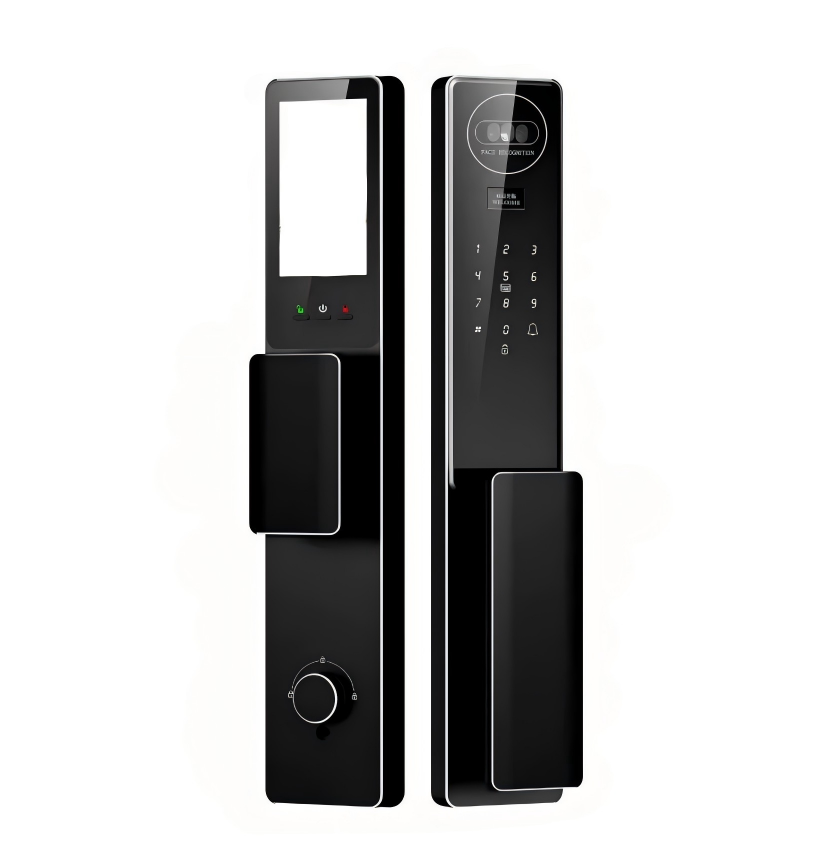
From sensor module to housing: the development path
The development path moves through clear stages. The sensor module proves the function on the bench; the fit prototype puts the module in a rough enclosure to check the space and the interfaces; the functional prototype adds the thermal and RF behavior of the real enclosure; the appearance prototype settles the finish and the interaction; and the pilot run validates the manufacturing route. Each stage answers a question, and the stages should not be skipped or merged: a device that jumps from the bench module to the pilot without the functional enclosure test inherits every enclosure risk into the production run. The path is the map that keeps the hardware development honest.
The consumer-electronics industry page and the IoT edge-device article cover the device class; this page is the repeatable prototyping path for the smart home category.
Choosing prototype processes for enclosures and brackets
The enclosure prototype process follows the stage and the quantity. Early fit and function prototypes are often 3D printed or machined, because they are fast and need no tooling; the appearance stage may use a machined or urethane-cast enclosure to match the production finish; and the pilot moves to the production process — injection molding, sheet metal, or die casting — at the volume that justifies the tooling. The process choice should anticipate the production route, because the enclosure design rules differ: a printed prototype can ignore draft that a molded part needs, and a machined prototype can hold tolerances that casting cannot. The prototype should be made by the process that answers the current question, with the production route in view.
The bracket and internal hardware follow the same logic: machined or printed for the prototype, and moved to the production process with the tolerance and the finish validated.
Materials and finishes for consumer-visible parts
Smart home devices live in the home, so the visible parts carry a higher appearance standard than industrial hardware. The material — molded plastic, aluminum, or a coated composite — sets the weight, the feel, and the finish options, and the finish — paint, anodize, texture, or a soft-touch coating — sets the look and the touch. The appearance should be approved on samples from the production material and process, because the color and the texture differ between processes and lots. The material also carries the functional requirements: the RF window, the thermal path, and the UL or flammability behavior of the housing material are part of the selection. The consumer-visible part is specified by appearance and function together.
The finish samples should be approved under the lighting of the home, not the showroom, because the appearance that sells in the store must survive the living room.
Pilot quantities and production handoff
The pilot run is the bridge between the prototype and the product. The pilot quantity should be large enough to validate the manufacturing process and the quality — the cycle, the yield, the finish consistency, and the assembly — without committing to full production. The pilot parts should be built by the production process with the production tooling and the production documentation, and the results should be compared against the prototype’s validation. The handoff to production includes the drawing, the material and finish specs, the inspection plan, and the lessons from the prototype stages. A pilot that is run like a prototype — with extra care that production will not repeat — validates nothing about production.
The pilot also validates the supply chain: the material, the finish, and the assembly capacity that the production volume will need are confirmed at the pilot scale.
Common smart-home hardware mistakes to avoid
The common mistakes repeat across smart home programs. Skipping the functional enclosure test, so the RF or the thermal behavior is discovered at certification. Approving the appearance on a prototype finish that the production process cannot match. Designing the enclosure without the production route, so the molded part needs draft and wall changes that the prototype never showed. Underestimating the pilot, so the first production run inherits every unvalidated assumption. Each mistake is avoidable by following the development path and validating each stage with the production process in view. The device that avoids the common mistakes is the device that moves from the bench to the wall without the round trip.
Validating the device through the pilot
The smart home device is validated through the pilot with the tests that match the home environment. The RF performance is measured with the production enclosure and antenna; the thermal behavior is tested at the operating ambient with the device running; the appearance is checked against the approved samples under home lighting; and the reliability is tested for the cycles and the conditions the device will see. The pilot run should be built with the production process, the production tooling, and the production documentation, and the results should be compared against the prototype’s validation. A device that is validated on the pilot is a device whose production is ready; one that is validated only on a hand-built prototype carries every unvalidated assumption into the first real run.
The pilot also validates the quality and the supply chain: the yield, the cycle, the finish consistency, and the assembly capacity are confirmed at the pilot scale, and the inspection plan is proven on the production parts. The lessons from the pilot feed the production documentation — the drawing revisions, the process notes, and the inspection criteria — and the handoff to full production starts from the validated baseline. The smart home device that succeeds in the market is the one whose development path was followed from the module to the pilot, with every stage answering its question before the next began. When the validation and the pilot are complete, the device is ready for the home — and the production run is a repeat of the validated process, not a new experiment.
The smart home development path also needs the documentation that ties the stages together. The module spec, the enclosure drawing, the finish samples, the test results, and the pilot report form the product record, and the record is what the certification, the production, and the support teams reference. A device whose development is documented stage by stage can be certified, revised, and supported without re-deriving its history; one that developed informally carries the gaps into the product’s life. The documentation should be part of the plan from the start, with the owner and the format named, because the record is the evidence that the device was developed with the discipline the market expects. When the path and the documentation are planned together, the smart home device moves from the module to the home with its quality history intact.
Keep the development record with the product, from the module spec to the pilot report, because the record is what the certification, the production, and the support teams reference. The record also protects the next version: a product revision starts from the documented baseline instead of from the memory of the first development. The smart home product that carries its record is the product whose quality story is complete, and the record is what makes the next version faster and safer. When the path and the documentation are planned together, the device moves from the module to the home with its history intact.
Confirm the production route and the pilot quantity with the manufacturer before the enclosure design is locked, because the process changes the design rules. The pilot that is planned with the production route in view is the pilot that validates the real product.
Confirm the certification and compliance requirements early, because they set the material, the finish, and the documentation. A device that plans the compliance from the start reaches the market without the last-minute redesign.
The device that follows the path — module, fit, function, appearance, and pilot — with each stage documented is the device that reaches the home without the round trip. Plan the path, keep the record, and the hardware will follow.
If you are developing a smart home device and want the enclosure, finish, and pilot plan reviewed before the production commitment, the 6CProto prototyping and manufacturing teams can work from your module to the finished housing and the pilot run.