

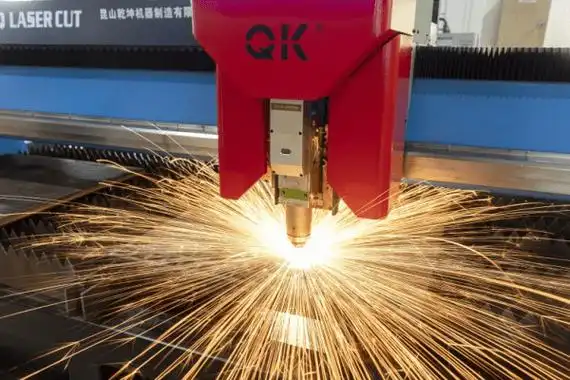
A nitrogen-cut edge can still need preparation before welding or coating. That distinction matters when comparing nitrogen vs oxygen laser cutting for stainless sheet: the gas influences the cut surface, while the order must define the finished edge and its next operation. Selecting a gas name alone leaves important acceptance questions unanswered.
Edge oxide vs clean cut
For nitrogen vs oxygen laser cutting of stainless edges, prioritize the required oxide condition, downstream welding or coating, corrosion exposure, geometry, and complete accepted-part cost. Nitrogen supports an oxide-free cutting route, while oxygen can produce an oxidized edge. Confirm the actual delivered surface and required secondary work instead of treating either gas as universal acceptance.
Begin by marking which cut edges remain exposed, which become joints, and which contact a seal or mating part. An edge accepted inside a noncritical assembly may need a different preparation from an edge entering a specified weld or coating process.
TRUMPF’s laser-cutting overview distinguishes reactive cutting with oxygen from fusion cutting using an inert cutting environment. Use that process distinction to define a review question. It does not establish that every nitrogen-cut feature will be free of dross or acceptable without inspection.
Cost and speed trade-offs
Compare the whole route: sheet allocation, programming, cutting, gas demand, part handling, edge preparation, and inspection. A lower machine-time estimate can lose its advantage if the required edge adds substantial secondary work. Equally, an oxide-free edge may provide little benefit when the specified downstream process already requires another preparation.
The British Stainless Steel Association’s comparison includes speed examples for a particular CO₂ laser, grade, and thickness. Those conditions matter. Do not convert its examples into a general ranking for other equipment or a promised cutting rate for this supplier.
Atlas Copco’s nitrogen-supply discussion relates purity, pressure, and flow to the cutting process and operating demands. Ask how the proposed route meets the edge specification. Do not substitute a generic high-purity note for the actual equipment and application assessment.
Paint and weld readiness
Define readiness by the next operation. Welding needs the joint preparation and cleanliness required by the approved procedure; coating needs the surface condition required by the selected coating system. A cutting gas does not replace either process definition.
SSINA’s descaling guidance distinguishes oxide-related preparation and its relationship to stainless surfaces. Agree an appropriate preparation with the responsible processor. Do not prescribe a chemical recipe or assume a named surface treatment removes every oxide or contaminant.
State whether preparation is included in the cutting quotation or performed later. Inspect after the last operation that changes the accepted edge. Where corrosion or coating performance matters, use the required material, process, and validation evidence; a bright appearance alone is not a performance test.
Table: gas choice by end use
Use the end use to select the review path. The table identifies questions to settle, not a universal gas mandate. A project may prescribe a process, or it may allow the supplier to propose an equivalent route that demonstrably meets the delivered requirements.
| End use | Nitrogen-route question | Oxygen-route question | Acceptance evidence |
|---|---|---|---|
| Exposed stainless edge | Does the delivered edge meet appearance and surface requirements? | What oxide preparation is needed? | Specified edge and surface inspection |
| Welded joint | What joint cleaning or preparation remains? | How is the required joint surface obtained? | Approved preparation and weld acceptance |
| Painted or coated component | What preparation does the coating system require? | What preparation removes unacceptable edge condition? | Coating-process requirements and relevant validation |
| Noncritical internal edge | Does the benefit justify the complete route? | Can the finished edge meet its actual function? | Defined burr, fit and handling criteria |
Keep customer-required process controls visible in the order. Any proposed gas or preparation change needs review where it affects the accepted surface or qualified downstream route.
FAQ
These questions address specification details that should be settled before sample approval.
Does nitrogen cutting mean no further cleaning is required?
No. Avoiding an oxidized cut edge does not establish that all contamination, dross, handling residue, or downstream preparation requirements have been addressed. Specify the delivered edge and surface condition, then agree the cleaning and inspection appropriate to the intended use.
Is oxygen always faster or cheaper for stainless sheet?
No universal conclusion follows from the gas name. Machine technology, material, thickness, geometry, gas demand, required edge, and secondary work determine the route. Compare complete quotations and relevant trials rather than extending one published cutting example to every order.
Related process selection notes
Separate geometric cut quality from surface chemistry and final function. ISO 9013 addresses classification and geometric requirements for thermal cuts within its scope. Add the project-specific oxide, burr, appearance, and subsequent-processing requirements rather than expecting a general quality reference to define all of them.
Review holes, narrow features, and the required fit individually. A good straight exterior edge does not establish an equally acceptable small internal contour. The supplier should identify any secondary sizing or edge work needed to meet the drawing.
Follow a clear approval sequence: define end use, review gas and preparation options, inspect a representative finished edge, verify the downstream process where required, and preserve the approved route. Confirm whether an accepted sample covers all material thicknesses and feature types in the order or only its tested configuration.
Internal links and next steps
Send the controlled geometry, grade, thickness, quantity, critical edges, finish, and required records. Identify whether the part is delivered as cut, edge-prepared, ready for a defined downstream process, or as a finished assembly. Those are different quotation scopes.
Use the stainless-steel material review to confirm the grade and stock, then coordinate the laser-cutting review with the complete sheet-metal fabrication scope. Ask the response to identify assumptions, preparation, and inspection explicitly.
Request a 6CProto stainless laser-cutting quote with the edge condition and end use defined. Compare nitrogen and oxygen proposals only after their final delivered surfaces and acceptance work are aligned.
FAQ
These questions address specification details that should be settled before sample approval.
Can edge color prove corrosion performance?
No. Appearance can help identify a concern, but it does not establish the alloy, full surface condition, exposure suitability, or a corrosion-test result. Define the material, processing, and acceptance evidence required for the actual environment.
Should the RFQ prescribe gas purity and pressure without supplier review?
Use a governing process specification where the project requires one; otherwise agree the route with the responsible supplier and equipment guidance. State the functional edge requirement and required records. A generic gas parameter does not guarantee a suitable cut on every machine and material.