

Medical fabrication is manufacturing with an evidence trail attached. The operations are familiar ones, but the material is controlled, the process is documented, and the parts are handled as though they will be examined later — because they may be.
What medical fabrication means
Producing device parts with controlled material and records.
The term covers the manufacture of parts destined for medical devices, instruments and equipment: machined housings and instrument bodies, fabricated frames and trays, moulded components, and the finishing operations that follow. What distinguishes it from general manufacturing is not the machinery but the control: material is identified and traceable, processes such as cleaning and finishing are defined rather than improvised, and the inspection record accompanies the parts.
The requirements scale with intended use. A component for a laboratory instrument carries lighter expectations than one that contacts a patient or enters a sterile environment. Establishing which category applies at the enquiry stage changes the material options, the handling requirements and the cost, which is why it is the first question a competent supplier asks.
Which processes medical fabrication covers
Four process groups appear repeatedly. Machining produces instrument bodies, housings, brackets and precision components where tolerance or material properties matter. Sheet metal fabrication produces frames, chassis, trays and enclosures, often for equipment rather than for the device itself. Moulding and casting produce housings, covers and soft components in production and prototype quantities. And finishing — passivation, anodizing, plating, blasting and cleaning — provides corrosion resistance, wear surfaces and the cleanliness the application demands.
| Process group | Typical medical use | What it demands |
|---|---|---|
| Machining | Instrument bodies, precision components | Tight tolerance and material traceability |
| Sheet metal fabrication | Equipment frames, trays and enclosures | Tolerance control after joining and finishing |
| Moulding and casting | Housings, covers, seals and grips | Material grade and cleanliness |
| Finishing | Corrosion resistance, wear surfaces, cleanliness | Process specification and verification |

Material and cleanliness requirements
Material choice in medical work is constrained by what the component will contact. Machined parts commonly use stainless steel, titanium and aluminium, with the grade selected for corrosion behaviour and, where relevant, compatibility with cleaning or sterilisation. Plastics are chosen for chemical compatibility and, where the part contacts the body or a sample, for the grade’s suitability for that use rather than for its mechanical properties alone.
Cleanliness follows the same logic. A machined component may need to be free of cutting fluid residue and metallic particles, which means a defined cleaning operation rather than a wipe. A part that will be sterilised needs to tolerate the sterilisation method without degradation or residue. And packaging has to preserve the condition, which for small or critical parts usually means individual protection rather than a bulk container. Requirements for devices that contact patients are set out by the US Food and Drug Administration, and cleaning and waste obligations are published by the US EPA.
Documentation that should accompany the parts
Five items define a complete delivery. Material identification with the lot or batch, so a later investigation can trace what went into the component. An inspection record for the features the drawing controls, measured against stated datums. A record of the finishing and cleaning processes applied, since those affect both function and cleanliness. Packaging defined to preserve the condition of the parts. And a clear link between the parts and the revision they were manufactured to.
Two further records matter where the application is regulated. Any deviation or concession agreed during manufacture, because an undocumented deviation becomes a surprise at the worst moment. And the process parameters where a special process was involved, such as a heat treatment or a passivation step, since the outcome depends on how it was carried out rather than only on which process was chosen. Material data is published by ASM International.
Tolerances and inspection expectations
Inspection in medical work tends to be focused rather than exhaustive, and that is a deliberate choice. The features that matter are the ones that determine whether the part assembles, seals or fits the instrument, and those deserve individual control and a record. Everything else can follow a general tolerance, which keeps the cost proportionate and the inspection report readable.
Two practical points improve outcomes. State the datum each controlled dimension is measured from, because a measurement without a reference cannot be compared between suppliers or between batches. And state the acceptance criteria for anything functional — a seal, a fit, a retention force — because those cannot be judged from dimensions alone. Measurement practice is described by the NIST Manufacturing Extension Partnership.
Common pitfalls in medical fabrication
Four recur. Choosing a material on mechanical properties and then discovering it must also satisfy a cleaning or compatibility requirement. Treating cleaning as a wipe rather than a defined operation, which leaves residue that a later inspection finds. Losing traceability between the material lot and the finished components, often because identification was removed during processing. And packaging chosen to protect the part physically without preserving its cleanliness.
The corrective habits are procedural: establish intended use before material selection, define cleaning as an operation with an acceptance criterion, keep material identification attached to the parts through every process, and design packaging against both physical and cleanliness requirements. Drawing conventions follow ASME standards, surface and coating terminology follows ASTM Committee B08, and the process routes involved are described under CNC machining and sheet metal fabrication.
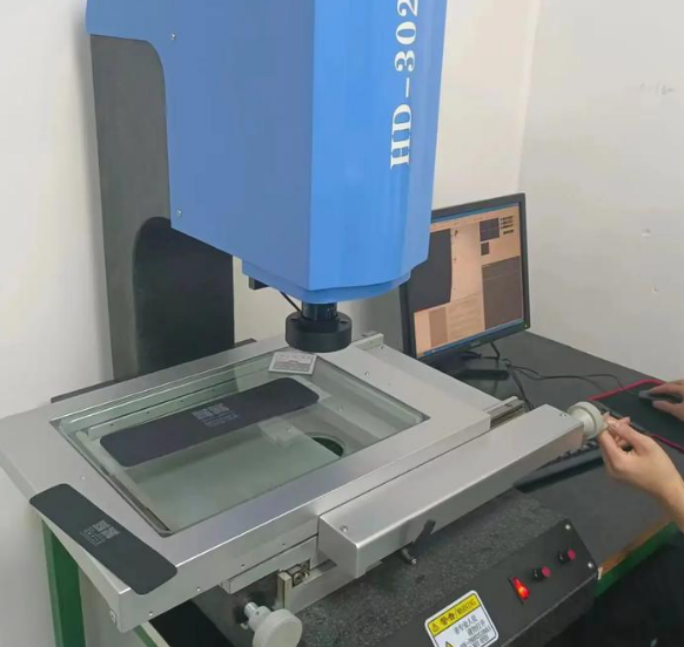
Send the component with its intended use and the documentation you require, and request a medical fabrication quote with the process and evidence scope stated.
FAQ
What is medical fabrication?
The production of components for medical devices, instruments and equipment to a controlled process, with specified material, defined cleaning and finishing operations, and inspection records. The operations are conventional; the control around them is what defines the work.
Which processes does medical fabrication cover?
Machining for instrument bodies and precision components, sheet metal fabrication for frames, trays and enclosures, moulding and casting for housings and soft parts, and finishing such as passivation, anodizing, plating and cleaning.
What documentation should accompany medical fabricated parts?
Material identification with the lot, an inspection record against stated datums, the finishing and cleaning processes applied, packaging defined to preserve condition, and a clear link to the design revision, plus any agreed deviation and special process parameters.