

Consider two first-article offers for the same machined bracket, bushing, and cover. Quote A bags the details, the screws, and a printed tightening note. Quote B installs the fasteners, presses the bushing, and runs an agreed function check before the kit leaves the plant. Those unit prices are not comparable until you map which labor and which failure modes each quote still leaves with your engineers.
Assembly and sub-assembly of machined parts is a build-scope problem, not a synonym for sheet-metal joining. The cost sits in kitting, fastener and press-fit work, testing, and traceability when one kit mixes finishes and materials. A 6CProto CNC quotation and a fabricated-assembly quotation can sit on the same program, but only a written build level tells you which of those offers actually includes the sub-assembly.
What a machined-part sub-assembly should include besides the details
A machined-part sub-assembly should include the named joining or installation work, the specified compounds and purchased items, and the checks that prove the built module meets the assembled condition. The CNC details alone are inputs to that deliverable, not the sub-assembly itself.
Besides the CNC components, the package usually needs a revision-controlled bill of materials, hardware and inserts identified by specification, any bearings, pins, or seals that are pressed or retained, and notes for threadlocker, lubrication, or other process materials. It also needs the inspection or test that belongs to this build level, plus the records that travel with the kit. A photograph of stacked parts does not establish that those items were installed or checked.
Say what is still excluded. If you will pot, wire, or calibrate the module after receipt, write those exclusions so they are not silently dropped into the supplier’s price, or silently left undone. The sub-assembly is complete only against the assembled requirements on the drawing and the order, which should use the same datum language as the standards and tolerances reference you already expect on the details.
Kitting vs building: where labor and risk actually move
Kitting moves picking and presentation to the supplier. Building moves installation risk and the first failed interface. The cost difference is mostly labor and evidence, not the metal already sitting in the quote.
A kit reduces the chance that a screw, washer, or unique machined spacer is missing at the station. It does not prove that a helicoil was installed, a bearing was pressed square, or a cover will sit flat after tightening. Those failures appear only after someone applies force, adhesive, or a mating part. If your engineers own the press and the test stand, kitting can be the right stop. If the first failed press-fit would stop a line you do not want to use as a development bench, pay for build and a defined check.
Do not treat kitting as a discounted sub-assembly. It is a different product with a different risk register. When you compare offers, ask each supplier to classify the quote as kit, built, or built and tested, and to list the labor that remains with you. The cheaper carton is often the one that still contains the expensive work.
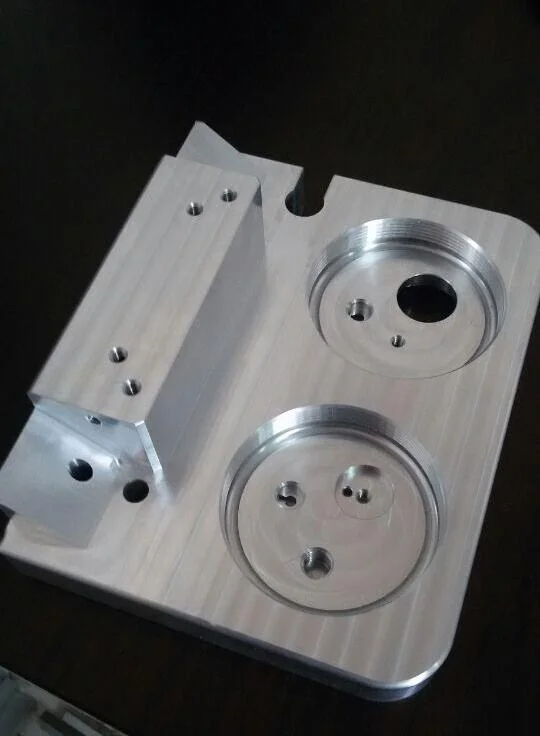
Fastener, threadlocker, press-fit and bearing installation notes
Installation notes should name the component, the procedure, and the evidence, not only the fact that a hole exists in the model. Unnamed tightening, bonding, or press work is still buyer labor.
Identify fasteners by complete specification or manufacturer part number, including plating and approved equivalents. If self-clinching hardware is used on a thin detail that later joins a machined part, host-sheet limits still apply; the PennEngineering self-clinching fastener handbook is a practical reference for those limits. For tightened joints, state torque or tension, lubrication, and whether threadlocker is required, including the product grade and cure handling. Do not invent a shop default and assume every plant uses it.
Press-fits and bearings need their own lines: interference or transition condition, installation temperature or tooling, and any protection for adjacent finishes or sealing surfaces. If a bearing is supplied but not installed, say so. If installation is included, say how squareness or seating will be checked. The purchase order should make it impossible to confuse a bagged bearing with a seated one.
Table: build levels from bagged kits to function-tested sub-assemblies
Build levels let you price labor and risk on the same scale. Use the table to freeze what the first article must demonstrate, then copy that level into later production orders so the cost structure does not silently shrink.
| Build level | Typical supplier labor | Cost and risk that remain with the buyer | Evidence that should ship |
|---|---|---|---|
| Machined details only | Manufacture and inspect components | All kitting, installation, and testing | Component inspection records |
| Bagged kit | Group details and listed hardware by assembly or station | Installation, compounds, press-fits, and tests | Kit list, labels, and missing-item rules |
| Built sub-assembly | Install fasteners, inserts, and specified press-fits | Functional test, unless separately ordered | Installation records such as torque or press values where specified |
| Function-tested sub-assembly | Build plus the agreed check | Only excluded operations, such as later wiring or calibration | Test method, results, and serial or lot traceability |
A quote that lists every machined item and a hardware bundle, yet never mentions installation, is a kit at most. Rank it against other kits, not against a tested sub-assembly. If you later add a function test, treat it as a scope change with its own method and acceptance limits.
Functional tests worth asking for on a first article
First-article tests are worth asking for when they prove an assembled interface or function that component inspection cannot see. They are not worth adding when they duplicate a detail dimension already reported.
Useful checks are concrete: the module fits a customer fixture or mating part; a shaft turns after the bearing is seated; a cover sits without a gap that would defeat a seal; a specified torque or press value is recorded and can be repeated. If leak, insulation, or continuity performance is a design requirement, name the method and the limit. If it is not, do not invent a laboratory ritual to make the first article look thorough.
Freeze the method with the first article so later lots are measured the same way. ASME Y14.5 remains the usual language for the dimensional portion of that freeze when the drawing uses it. NIST’s Dimensional Metrology Group documents why agreed length-measurement methods matter when results must be compared later. Keep test records with the same identity as the kit, especially when a failure weeks later will otherwise point at a carton rather than a unit.
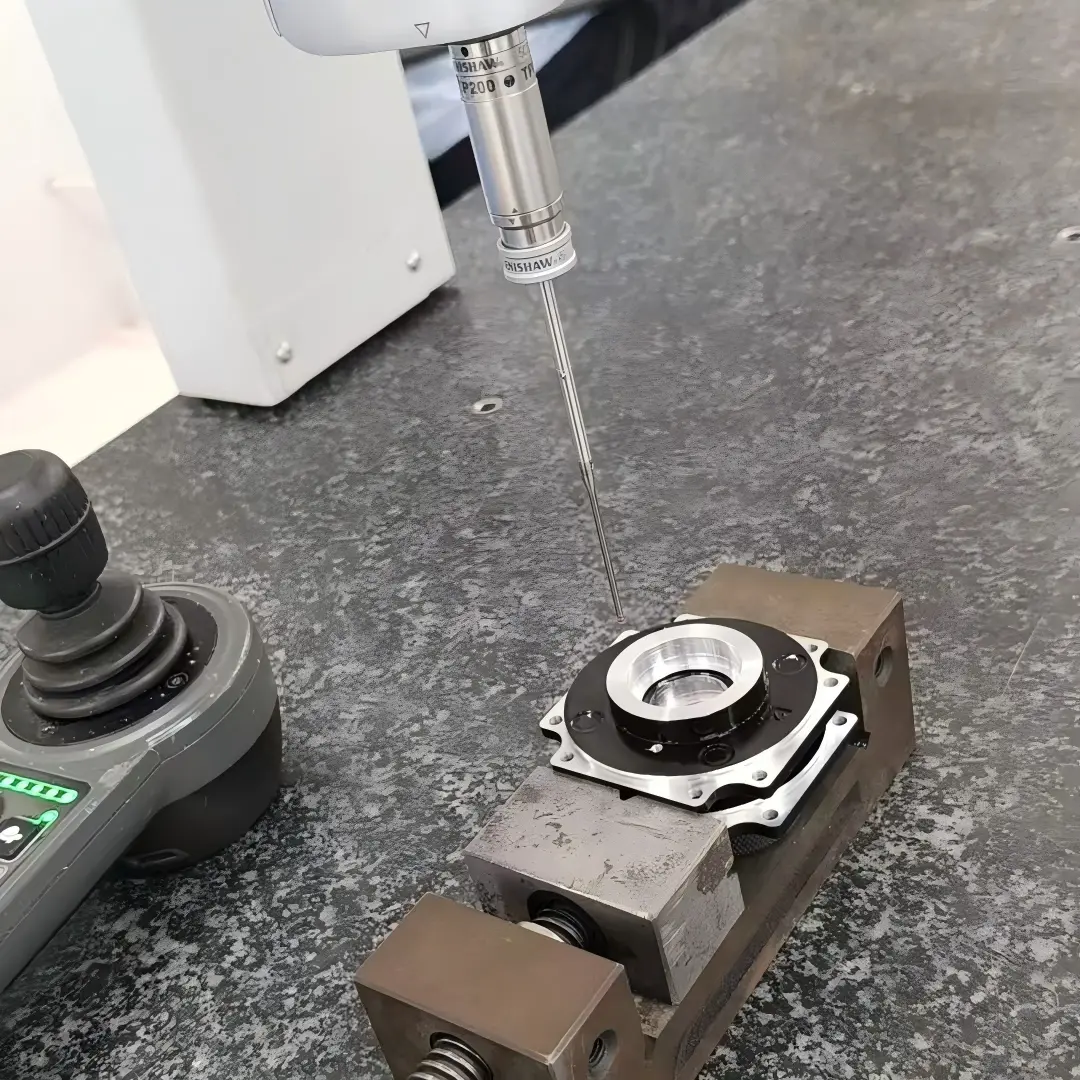
Traceability when one kit contains mixed finishes and materials
Traceability has to survive kitting when one bag contains mixed materials or finishes. A single kit number is not enough if a later failure needs the finish lot or material heat of one detail.
Assign identities at the detail level that remain readable after assembly, or maintain a kit record that maps each serialized or lot-controlled item into the bag and then into the built unit. Anodized aluminum, plated steel, a polymer washer, and a greased bearing can share a carton and still need separate records. If a finish is reworked, the record should change with it.
State the required record level on the purchase order. Some programs only need a lot tie to the inspection report. Others need heat, finish lot, and a build-sheet of installed hardware. Choose the level that your failure analysis and customer audits actually use. Do not ask for aerospace-style genealogy on a low-risk prototype unless that paperwork is truly required, and do not accept a carton label as a substitute when it is.
RFQ language that prevents a “parts only” response
RFQ language prevents a parts-only response when it names the build level, the installation work, and the first-article checks as clearly as it names the CNC details. Files that only contain part models will be priced as parts.
Write a short scope sentence: kit, build, or build and test. Attach the assembly drawing, bill of materials, hardware specifications, and any press-fit or bearing notes. ASME Y14.100 is a useful reminder to keep the assembly document and the details consistent. If packing matters because the kit feeds a line, name labels and bagging rules; ISTA test procedures are sometimes cited when transit validation is part of the order, but only invoke them when you actually need that test.
Require the quotation to restate exclusions. If threadlocker, torque, or a function check is not listed, assume it is not included. That assumption will save more money than a parts-only price that later expands on the production floor.
FAQ
Is a bagged kit of machined parts already a sub-assembly?
No. A kit gathers the details and listed hardware, but it does not install fasteners, press fits, or bearings, and it does not prove that the built module will function. A machined-part sub-assembly exists only when the purchase order assigns those operations and the corresponding checks. If you only needed kitting, say so, and do not treat a kit price as if it included build labor.
If the drawing shows screws and a bushing, is installation included in the machining quote?
Not unless the quotation restates installation as scope. A machining quote can supply a tapped hole and a purchased bushing without pressing the bushing or tightening the screws to a named procedure. Write installation, threadlocker, press-fit, and any function test as separate lines on the order. Otherwise you may receive excellent details and still be left with the riskiest work at the line.
What first-article tests are worth asking for on a machined sub-assembly?
Ask for tests that prove the assembled interfaces your product will actually use: a fit to a customer fixture or mating part, a rotational or sliding check after a bearing is installed, a leak or continuity check where the design requires one, and a record of specified tightening or press values. Skip theatrical tests that do not map to a drawing requirement. The first article should freeze both the build method and the evidence you will expect on later lots.
How should mixed finishes and materials be traced inside one kit?
Give each detail a traceable identity that survives kitting, and keep finish and material records tied to that identity rather than to the carton alone. If anodized aluminum, plated steel, and a polymer washer ship together, a single lot label on the bag will not tell you which heat or finish lot sits in a failed unit. State the record level on the purchase order, especially when a later failure analysis would otherwise stop at the kit number.
What engineering should freeze before the first build
Before the first build, freeze the assembly revision, the bill of materials, the installation procedures, the build level, and the first-article tests, including how mixed-finish details will be identified. If a press-fit, torque, or bearing seat is still “to be determined,” you are not yet ready to compare sub-assembly prices.
Send that pack through the 6CProto request-a-quote form, or to projects@6cproto.com or WhatsApp +86 180 2219 4001. Ask the quotation to classify the work as kit, built, or built and tested so the first article and the later lots share the same cost structure.
Request a 6CProto machined sub-assembly quote with the build level stated