

An unfinished machine design can still support a useful RFQ. What prevents a comparable quote is uncertainty hidden inside apparently final files. In custom industrial equipment manufacturing, the buyer’s discussion with the shop should distinguish fixed interfaces, proposed solutions, assumptions, and decisions that must close before cutting material or committing a production route.
Incomplete designs and revision control
Specify custom industrial equipment manufacturing with a controlled quotation baseline, intended function, interfaces, material and process requirements, quantities, acceptance, and a visible list of open decisions. Quote defined work while the larger design evolves, but agree release conditions and change authority before manufacture. Keep supplier assumptions separate from approved requirements and record every accepted revision.
“Which revision are we pricing?” is the opening shop-floor question. Identify part numbers, drawing and model revisions, file precedence, and what is included in the assembly. Mark preliminary geometry clearly and specify whether the request is for feasibility feedback, an estimate, a prototype, or released manufacture.
ISO 10007’s public description identifies guidance for configuration management. It is a relevant reference for organizing baseline and change control; an article or catalog reference does not establish implementation of the full guidance.
“Which interfaces are already fixed?” comes next. List mounting, locating, utilities, moving envelopes, service access, and neighboring equipment where relevant. Keep a shared interface record so that a later bracket revision does not silently invalidate an accepted enclosure or mating component.
NASA’s system-design discussion emphasizes clear requirements and recording design decisions. The transferable practice is to make intent and constraints visible. NASA program procedures are not automatically contractual requirements for an industrial machine.
Prototype vs production intent
“What must this first part prove?” determines the required fidelity. A clearance model, load-bearing trial, installation aid, and production-intent component can require different material, processing, inspection, and records. State the objective rather than using prototype as a complete specification.
Consider an explicitly hypothetical sliding interface. An opening A = 100.0 ±0.1 mm and mating width B = 99.5 ±0.1 mm give nominal clearance A − B = 0.5 mm. The simple worst-case range is 0.3 to 0.7 mm. These assumed values demonstrate the calculation only; they are not recommended fits or a supplier capability.
Ask whether that range serves the actual loading, motion, contamination, temperature, alignment, and final finish. If one dimension remains preliminary, record the allowable interface envelope and who approves it. A nominal CAD fit cannot close requirements that have not yet been defined.
NASA’s product-realization guidance distinguishes verifying requirements from validating the intended use. Apply that distinction when assigning prototype checks. A component can match its drawing while leaving the assembled machine’s intended operation unproven.
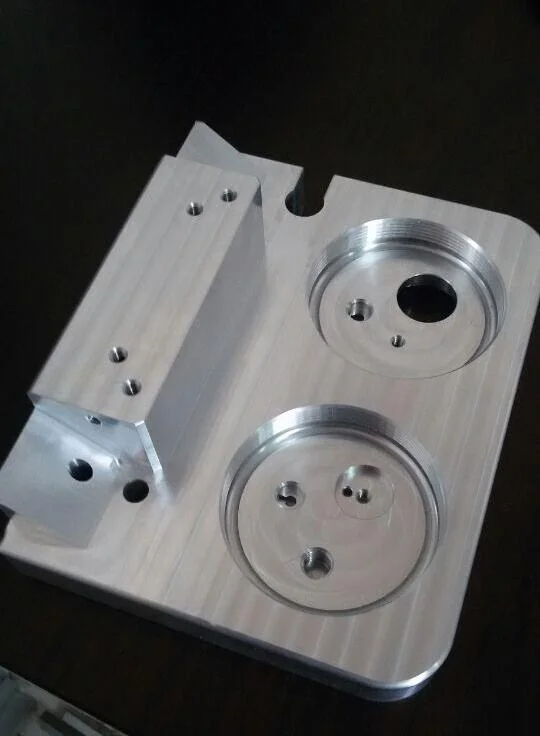
Table: process selection
“Which route best serves the defined work?” should lead to a comparison of geometry, material, revision exposure, interfaces, and inspection. The table is a discussion aid rather than a universal process ranking.
| Work scope | Route to investigate | Decision to resolve | Acceptance evidence |
|---|---|---|---|
| Located or loaded precision interface | CNC machining | Material condition, datums, access and final features | Required dimensional and functional checks |
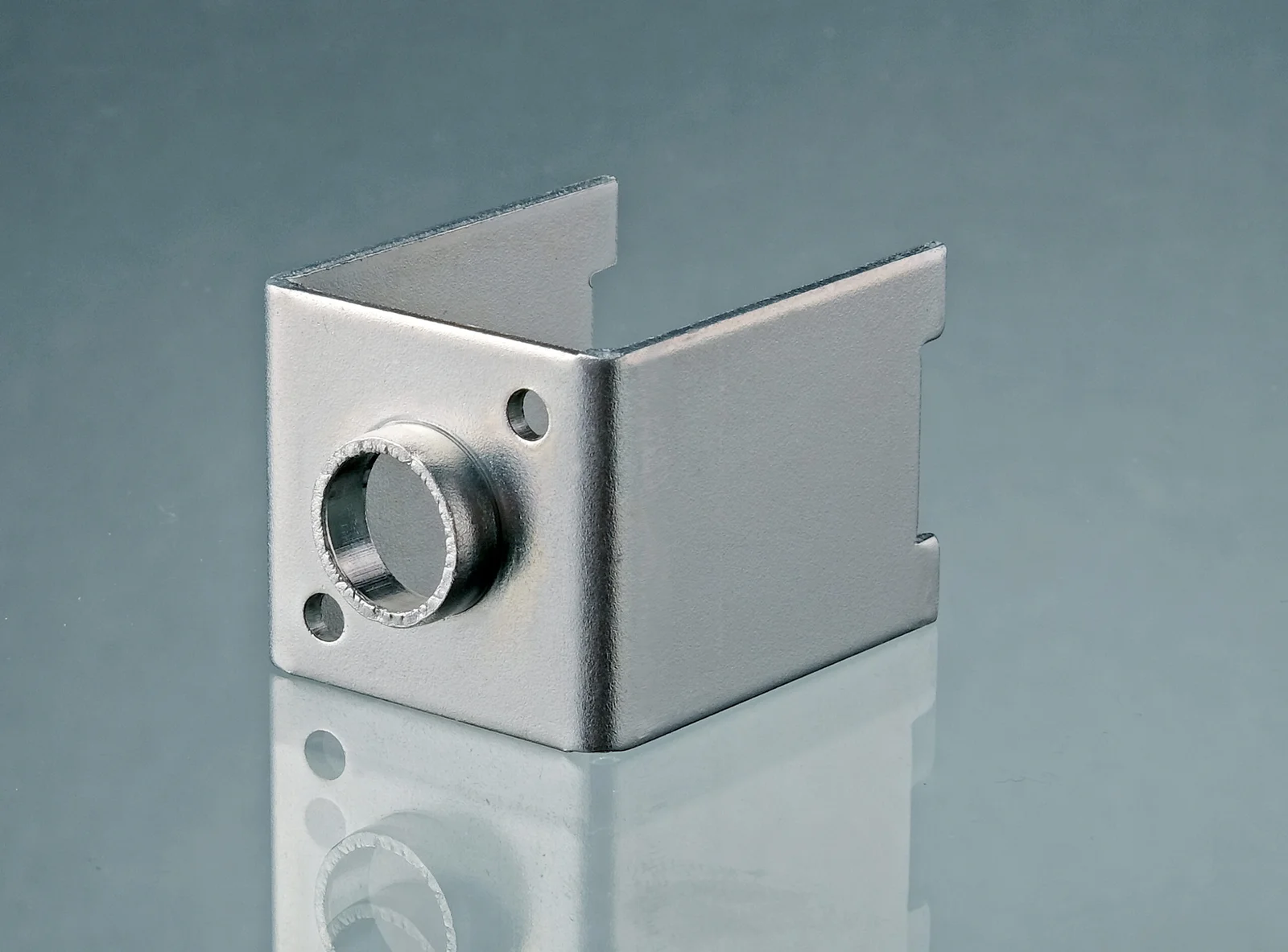
| Panel, cover or formed bracket | Sheet fabrication | Thickness, bends, joints, access and finish | Formed geometry and assembly trial |
| Early geometry investigation | Suitable rapid prototype | Which surrogate differences are permitted? | Checks limited to the stated objective |
| Repeated approved components | Defined low-volume route | Baseline stability, quantity and process controls | Agreed lot inspection and records |
Compare the complete deliverable, including fixtures, purchased hardware, joining, finishing, inspection, and installation support where specified. Identify customer-supplied parts and the party responsible for assembly. A quote for loose fabricated pieces should not be compared with a quote for a verified assembly without reconciling scope.
Risk registers on RFQ
“What could change the order after release?” belongs on the RFQ. Record the uncertainty, consequence, owner, action, evidence needed, and decision point. Examples include an undecided bearing interface, unknown thermal duty, incomplete cable route, or an unresolved cleaning requirement. Distinguish a risk from a change that has already occurred.
NASA’s technical risk-management guidance discusses identifying risks, consequences, likelihood, and monitoring. Use a proportionate register for the actual project. Do not invent numerical probabilities or present an informal score as a validated risk estimate.
Assign machine-level hazards and acceptance to the responsible equipment team. The component supplier needs the resulting requirements that affect its scope. Keep these responsibilities visible instead of expecting a material or machining choice to resolve an unspecified integration problem.
FAQ
These questions address specification details that should be settled before sample approval.
Must the whole machine design be complete before any part is quoted?
No. A defined quotation scope can proceed while other work remains open. Identify the current revision, fixed interfaces, assumptions, exclusions, and decisions required before manufacture. Do not confuse an estimate against assumptions with release of an incomplete part for production.
Can the machine builder leave every tolerance for the supplier to choose?
The supplier can propose practical manufacturing options, but the responsible designer must define and approve functional requirements. State interfaces, datums, loads, finished conditions, and acceptance. A tolerance chosen for machining convenience may not serve the assembly.
Related process selection notes
“How will a change reach the shop?” needs a practical answer before work begins. Name the approval authority, issue a revised package, identify affected parts and work in progress, and obtain acknowledgment. Record whether the change requires new material, rework, replacement, inspection, or reassessment of earlier results.
NIST’s manufacturing digital-thread work addresses links between product definition and manufacturing information. A small project can apply the underlying objective with a controlled record that connects the approved design, work order, inspection, and delivery. A specific software platform is not a substitute for clear ownership.
At acceptance, compare the actual delivered configuration with the released requirements. Retain deviations, inspection results, and remaining integration actions. The machine builder should receive enough context to know which parts are approved for which next activity.
Internal links and next steps
Send the current model and drawing, quantities, function, fixed interfaces, assumptions, open decisions, required records, and release authority. Review the application through industrial equipment and compare CNC machining, sheet fabrication, and the proposed low-volume route.
Request a quote against a named revision with the open-decision register attached. Resolve the release conditions before authorizing manufacture.
FAQ
These questions address specification details that should be settled before sample approval.
Does a successful prototype approve the production version automatically?
No. Determine what the prototype tested and which material, geometry, process, or assembly conditions differ from production. Review those differences and complete the applicable acceptance work. Preserve the tested revision and the evidence rather than relying on a general statement that the prototype worked.
Does a component quote establish the complete machine is safe?
No. Define who owns machine-level risk assessment, integration, controls, guarding, and applicable acceptance. Part manufacturing and dimensional inspection answer a narrower scope. Have the responsible equipment team resolve the system requirements and interfaces before operational release.