

Five checks make an HIPS vs HDPE quotation useful: stiffness, handling impact, fabrication, chemical exposure, and delivered fit. Missing one can make a low-volume fixture or cover fail for reasons that the unit price never reveals. Start with the component function and a specified sheet product, then compare the complete manufacturing and acceptance routes.
Stiffness and impact differences
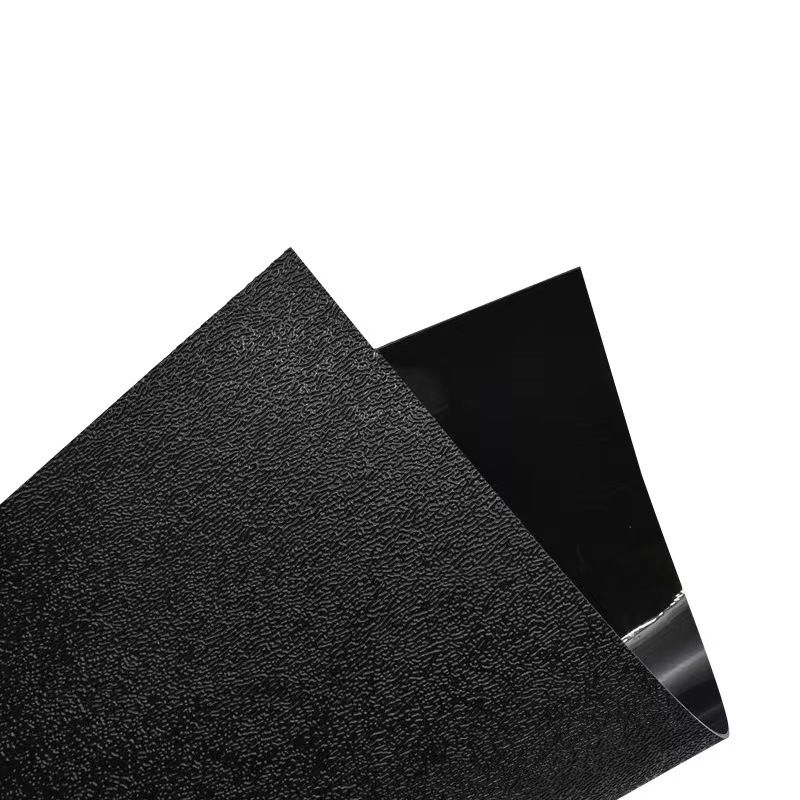
Compare HIPS vs HDPE through the specified grade, thickness, supported geometry, impact conditions, chemical contact, joining method, and required dimensional state. HIPS and HDPE sheet products offer different combinations of behavior and fabrication options. Use applicable supplier data and representative samples instead of treating either family as a universal choice for prototypes or fixtures.
Check stiffness and impact separately. A panel that resists a handling knock may still deflect too much between mounting points. A stiff-looking sample may behave differently around a notch, at another temperature, or under sustained loading. Define the relevant event or load before ranking the materials.
Primex’s HDPE 250 sheet data identifies a particular product and test properties. Compare such data only on a suitable basis. Its values and fabrication notes do not describe every HDPE grade or prove the performance of a new machined component.
Machining and fabricating notes
Inspect the planned route in sequence: select stock, cut the outline, machine functional features, join components, finish edges, and inspect the released part. Sheet thickness variation and support can affect the result even when the programmed contour is correct.
Ensinger’s engineering-plastics machining recommendations discuss tooling, heat, and dimensional behavior. Ask the supplier to relate those concerns to thin walls, long rails, holes, and unsupported surfaces in the actual design. A familiar metal-cutting setup is not automatically suitable for a polymer sheet.
Joining belongs in the initial comparison. King Plastic’s HDPE-product bonding guidance warns against assuming ordinary adhesives will form the required bond. The specific product and joint need review. Do not buy a machined kit before confirming how its parts will be assembled.
Chemical exposure
List the actual fluids and cleaning products, their concentrations, contact duration, and operating temperature. Include mechanical stress during exposure. Resistance to an occasional wipe and resistance to prolonged immersion are different requirements, and a generic chemical-resistant label cannot settle either one.
For HIPS, ask the proposed stock supplier to confirm compatibility with the intended environment and any finishing media. For HDPE, do the same for the selected formulation and joint. Neither a resin-family description nor experience with another grade replaces that confirmation.
Use a representative exposure trial where the design requires it. Define what constitutes failure: cracking, swelling, surface change, lost fit, joint failure, or a functional result. Preserve the original and exposed sample conditions in the record. A successful short visual check alone cannot establish a long service life or compatibility with every future cleaner.
Table: selection
Use the following selection checks before approving a quotation. Compare matched functions rather than identical material names alone. A larger section, different support, or another joining method may change which route is practical.
| Check | HIPS offer | HDPE offer | Acceptance evidence |
|---|---|---|---|
| Panel or fixture stiffness | Specified sheet and section | Specified sheet and section | Deflection or functional check under relevant load |
| Handling impact | Grade and notch-sensitive geometry | Grade and supported geometry | Representative handling trial |
| Assembly | Confirmed joint and finish compatibility | Confirmed mechanical or suitable bonding route | Joint and installation check |
| Exposure | Actual fluid and stress assessment | Actual fluid and stress assessment | Supplier data and required exposure trial |
| Appearance | Color, texture, printing or finishing scope | Color, texture and delivered surface scope | Approved representative sample |
Primex’s DIGI-HIPS sheet information describes a specialized printing product. It illustrates why printability and surface treatment should be specified at product level rather than inferred for all HIPS stock.
FAQ
These questions address specification details that should be settled before sample approval.
Is HIPS always stiffer than HDPE?
Do not make that decision from the family names alone. Compare the specified grades, thicknesses, geometry, support, and relevant test data. Then check deflection under the actual loading and temperature. A material test value is an input to the component assessment, not a substitute for it.
Can ordinary glue be assumed to bond HDPE?
No. Confirm the actual sheet, adhesive, surface preparation, exposure, and joint requirements with the relevant suppliers. HDPE products can be difficult to bond with ordinary adhesives. Evaluate mechanical fastening or an appropriate qualified joining route, and validate the complete joint.
Related process selection notes
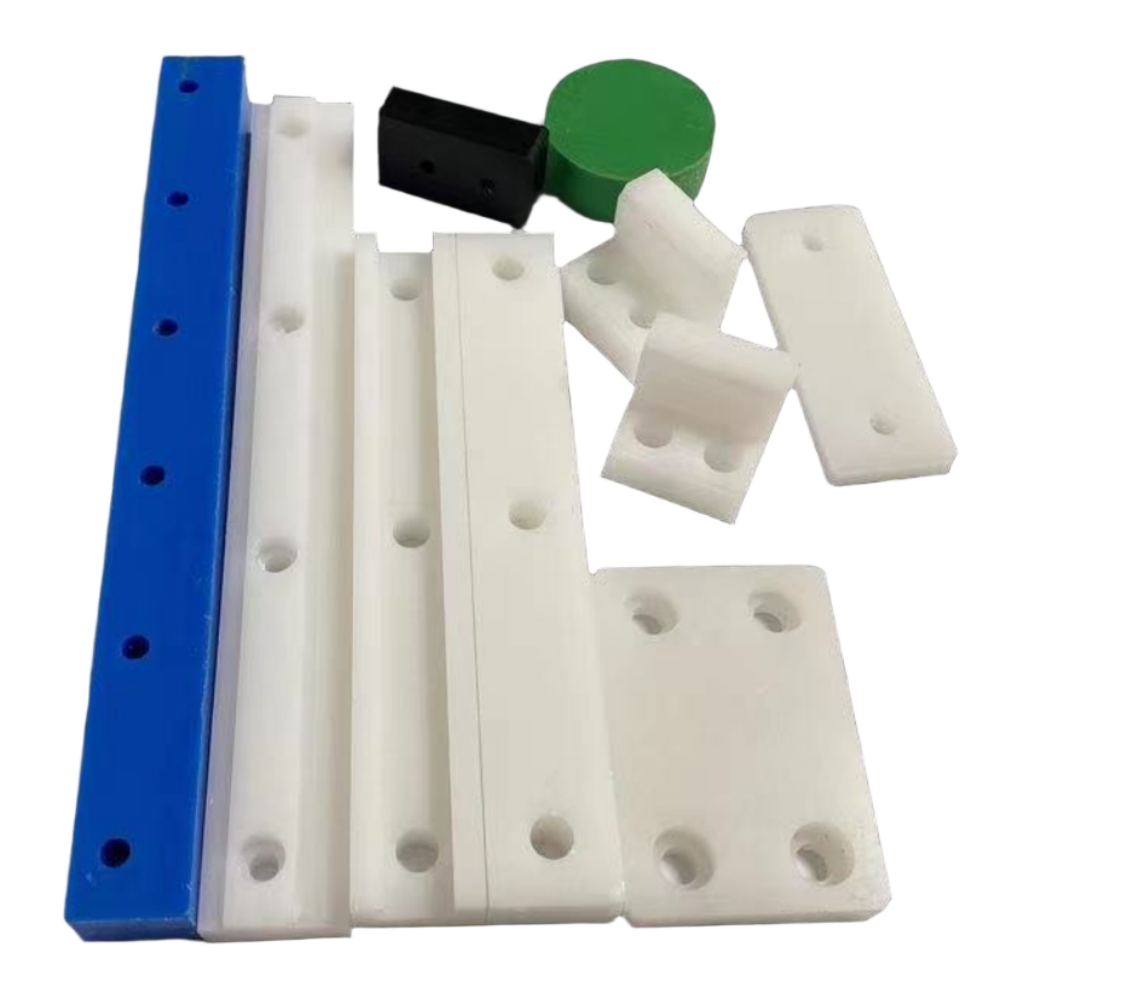
Compare machining with sheet fabrication or forming when the geometry allows. Machining can produce local functional details; another route may create the broad shape more efficiently. Review tooling, trimming, joining, and final inspection together instead of comparing only the outline-cutting operation.
King Plastic’s fabrication guide addresses its sheet products, including support, fastening, and movement. Apply its scope carefully: product-specific installation advice is not a universal tolerance or support prescription for every HDPE fixture.
A hybrid assembly may combine a polymer contact surface with a separate metal support. If that is proposed, the sheet-metal fabrication discussion should address the metal component explicitly. Plastic sheet processing and sheet-metal fabrication are distinct routes with different design and acceptance requirements.
Internal links and next steps
Send the controlled drawing and model with the required quantity, proposed grade, sheet thickness, mounting arrangement, load and exposure requirements, appearance, and critical fits. Identify whether the order is a geometry prototype, an appearance sample, or a functional low-volume component.
Use the HIPS material page and HDPE material page to begin the stock review, then align the CNC machining scope with the required joining and inspection work. Confirm every substitute before manufacture.
Request a 6CProto HIPS or HDPE quotation with the five selection checks completed. Ask the response to identify assumptions and exceptions so the delivered sample answers the intended design question.
FAQ
These questions address specification details that should be settled before sample approval.
Does an impact-resistant material guarantee a durable fixture?
No. The fixture also depends on wall geometry, notches, support, loading, temperature, exposure, and the selected grade. Define the expected handling event and functional acceptance, then test a representative assembly instead of relying on an impact-related material name.
What should a first-sample inspection include?
Include the functional dimensions, released geometry, edge condition, assembly fit, and required appearance. Where chemical exposure, impact, or long-term loading matters, define a separate representative validation. Keep the sample material and manufacturing route traceable so the result applies to the intended order.