

Extrusion dies are cheaper than you think — and still worth questioning. The die is a one-time investment that the profile’s quantity and length amortize, and the crossover depends on the section, the length, and the annual demand. For a long profile with steady demand, the die pays quickly; for a one-off, machining is the honest alternative. This guide builds the die-cost equation and the go/no-go decision.
Extrusion Dies Are Cheaper Than You Think
The extrusion die costs a fraction of an injection mold, and its cost is spread across every meter of profile it produces. That makes extrusion accessible at volumes that would never justify molding — and it turns the die decision into an arithmetic one. The die is not a barrier; it is an amortization question. The profile’s total length over its life carries the die, and repeated orders spread it thin. Estimate the profile’s total length with the forecast, because the die decision follows the life.
Die retention is part of the amortization. The die is retained by the supplier for reorders, so confirm the retention terms with the order — a die you can reuse is worth more than the invoice number alone suggests.
The Die Cost Equation
The decision is simple math: die cost divided by the profile’s total length (or parts, by their profile length) plus the per-meter extrusion cost, compared with the alternative — machining the profile from solid. The inputs are the die quote, the annual or total demand, the profile length per part, and the per-meter extrusion versus machining cost. When the die cost spreads thin across enough length, extrusion wins; when demand is tiny, machining carries the day.
Quote both routes. The machined profile is priced per part and needs no die build, so it also wins on lead time for one-offs. The comparison that includes the schedule is more complete — and the buyer who compares die-plus-unit-price totals at the real quantity sees the extrusion economics, while the buyer who compares unit prices alone misses the tooling half.
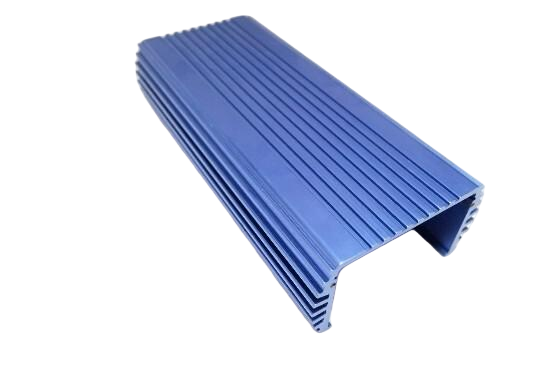
The die also carries lead time of its own: it is designed, cut, and trialed before the first profile runs, and the trial confirms the profile’s critical dimensions. Plan the die lead time into the schedule.
Prototype Runs Before Full Profiles
Before committing to a die, a prototype run validates the profile: the section, the tolerance, and the finish. The prototype may be machined or extruded with a temporary approach, and it answers the design questions before the die investment. Validate the critical dimensions and the assembly fit on the prototype, then commit the die — the prototype run is the cheap insurance for the die decision. Confirm that the prototype truly represents the extrusion: a machined approximation can verify geometry, but material behavior in the extruded condition should be checked separately.
Low-Volume Orders and Minimums
extrusion has practical minimums: the die must be built, the press set up, and the run executed. The minimum order varies with the profile and the supplier, and the low-volume order should be planned around the die amortization and the run minimums. Confirm the run minimum, how the die is retained, and what reorders cost before ordering. The low-volume strategy works when the die is amortized across planned reorders — share the reorder plan with the supplier so the die decision follows the series, not just the first order.
Machining as an Extrusion Alternative
For small quantities, machining the profile from solid stock is a legitimate alternative. It needs no die, no minimum, and it suits prototypes and one-off runs. The trade is material waste and machining time versus the die investment. The crossover follows the quantity, and the honest answer comes from quoting both routes — the extruded route with the die and the machined route without it, at the quantity you actually plan to order.
A Go/No-Go Decision Table
| Factor | Go extrusion | Consider machining |
|---|---|---|
| Annual quantity | Steady, repeated | One-off or tiny |
| Profile length | Long profiles | Short sections |
| Section complexity | Repeated cross-section | Changing geometry |
| Reorders | Planned | Unknown |
| Lead time | Die build accepted | Immediate |
Check If Extrusion Fits Your Volume
extrusion dies amortize across the profile’s life, and the go/no-go decision is arithmetic. Prototype validation, run minimums, and the machining alternative fill in the numbers. 6CProto’s custom extrusion service quotes the die and per-meter costs, and the low-volume manufacturing service covers the wider quantity range. When you request a quote, state the profile, the annual quantity, and the length, and the engineering team can run the die-cost equation for your volume — gather the die quote, profile length, annual quantity, and per-meter cost first, because the equation follows the numbers.
Conclusion
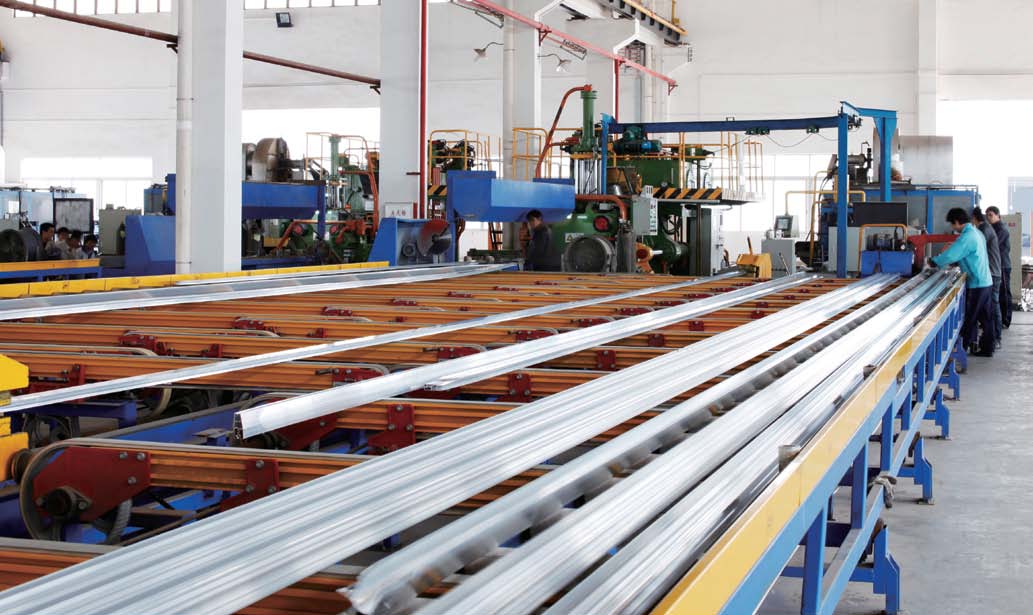
extrusion dies are amortization questions, not barriers. The die cost spreads across the profile’s life, and the go/no-go decision follows the quantity, the length, and the reorders. The prototype validates, and the equation decides. The next step is to gather the demand numbers, run the die-cost equation, and request quotes for both extrusion and machining.
FAQs
How much does an extrusion die cost? It varies with the profile’s complexity and size, but it is a fraction of an injection mold. The relevant number is the die cost divided by the profile’s total length over its life.
What quantity makes extrusion worthwhile? There is no universal number. The die amortizes across the profile’s total length and reorders; steady demand for long profiles pays it quickly, one-off runs do not.
Can I prototype before committing to a die? Yes. A prototype run — machined or temporary — validates the section, tolerance, and fit before the die investment.
When should I machine instead of extrude? For one-off or tiny quantities, short sections, or changing geometry. Compare the machined cost per profile with the extruded cost including the die amortization.