

Two hypothetical sensor programs reach different prototype decisions. One needs to establish a metal mounting interface and connector opening; the other needs to evaluate a molded lid, seal and fastening system. Neither has an automotive qualification result. Their review shows how to connect the housing route to the evidence still needed.
Sealing groove manufacturability
Design a sensor-housing seal groove around the selected seal, mating geometry, tolerances, surface condition, assembly control, and service exposure. Review cutter or mold access and the complete sealing path, including connectors and fasteners. Validate the actual assembled configuration; a groove dimension or material choice alone does not establish ingress protection or automotive suitability.
In the first hypothetical program, the initial question is whether the connector can be mounted without interfering with the sealing land. A machined housing can help examine that geometry if the drawing identifies the critical references. The team still needs the actual connector, seal and assembly requirements.
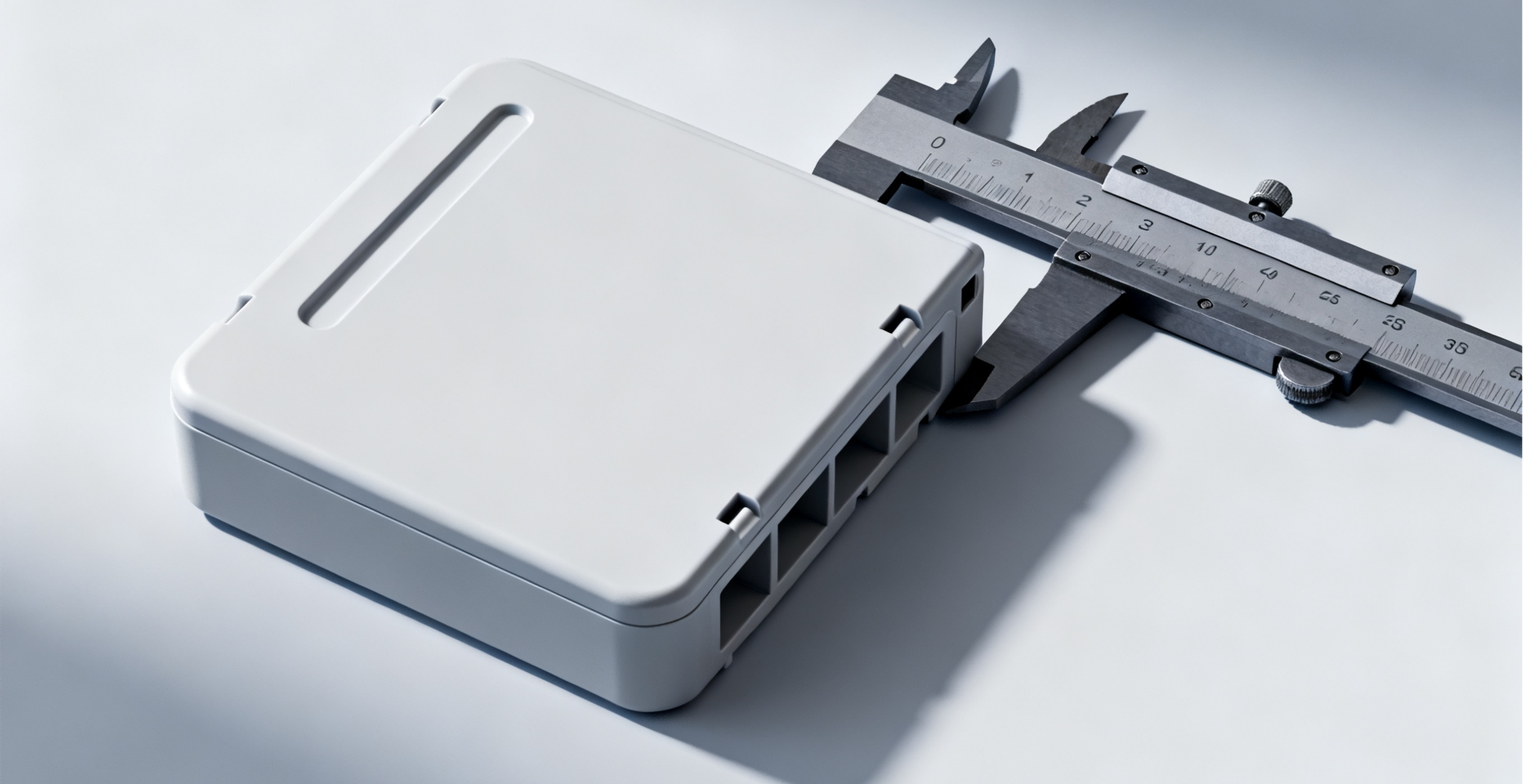
In the second, the important question is how a molded lid and fastening pattern maintain the required interface. A machined surrogate can reveal a packaging conflict without representing molded shrinkage, distortion or material condition. That distinction belongs in the prototype test report.
DuPont’s seal-design overview relates groove evaluation to the selected O-ring and operating conditions, and warns that results need user analysis. Use the actual seal supplier’s applicable data rather than borrowing a nominal groove from a different compound or configuration.
Check groove depth, width, radii, entry features and the surrounding sealing land as a system. Confirm tool access and inspectability. A sharp internal corner drawn without regard to machining access can force an unplanned change at the sealing boundary.
Metal vs plastic paths
Compare metal and plastic routes using the required function: sensor alignment, mounting stiffness, temperature exposure, chemical compatibility, electrical behavior, protection and assembly. A metal body and a molded polymer body are different material and process systems.
For a CNC route, identify the stock, setups, sealing surfaces and finishing. For molding, identify the exact resin grade, mold construction, gates, parting line, ejection and expected dimensional control. Keep critical seals away from unreviewed discontinuities or tooling effects where the design permits.
Neither route is automatically the automotive production choice. In both hypothetical programs, early sample acceptance should state what was checked and which production questions remain open. This prevents a successful packaging demonstration from becoming an unsupported environmental claim.
Consider service access too. A housing designed for replacement of a lid or connector has different joint and handling needs from a permanently encapsulated module. Define the maintenance and reassembly requirements early.
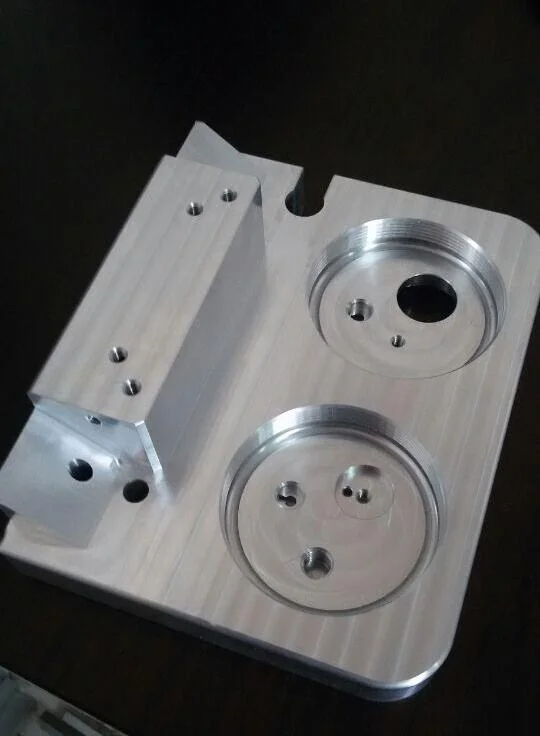
Table: process selection
| Decision | CNC housing review | Molded housing review |
|---|---|---|
| Sealing interface | Tool access, datums and final surface | Tooling features, resin behavior and final surface |
| Connector mount | Machined geometry and finish effects | Molded geometry, inserts and assembly |
| Revision | New stock, setup and machining review | Tool modification and renewed process review |
| Material | Specified stock and condition | Specified resin and processed condition |
| Evidence | Relevant dimensional and functional results | Relevant molded-part and assembly results |
The table compares questions to resolve, not guaranteed tolerances, costs or schedules. Ask each quotation to include the same accepted assembly scope before comparing routes.
Connector and potting notes
A connector introduces its own seals, mounting geometry, wires, accessories and mating condition. Identify the exact part number and required assembly configuration. Do not assume an unused cavity, missing backshell or unmated interface has the same protection as the approved arrangement.
TE’s NTSEAL FAQ ties certain sealing statements to accessories and points readers to application and product specifications. It illustrates why a product-family rating should not be transferred to an incomplete housing assembly.
Potting adds a different material interface. Review adhesion, cure conditions, trapped regions, service compatibility, stress transfer and the effect on the sensor’s intended response. A completely filled cavity can still have an inadequately protected connector or a sensor affected by encapsulation.
Dow’s sensor-packaging overview discusses stress-relieving encapsulation and related material functions. Those application descriptions are background for selecting and testing an actual formulation, not evidence that any potting compound validates the module.
RFQ package
Include the housing and lid models, controlled drawings, seal designation, connector specification and mating hardware. Show the assembled condition, fastening strategy, critical interfaces and permitted finish boundaries.
State the required exposure and performance rather than writing waterproof as the entire acceptance note. Include the relevant temperature, fluids, mechanical loads and service conditions through the responsible product specification. Identify which tests apply to the housing alone and which require the completed sensor assembly.
For the hypothetical first program, request evidence for the machined interfaces and a defined connector installation trial. For the second, distinguish surrogate fit checks from validation of the actual molded parts. Preserve material, revision, assembly and test configuration in each record.
FAQ
These questions address specification details that should be settled before sample approval.
Does a connector IP rating establish the housing rating?
No. The connector rating applies to its defined configuration and conditions. The complete enclosure, mounting interface, wiring and assembly need the specified evidence.
Can one O-ring groove serve every elastomer?
No. Review the selected compound, dimensions, tolerances, environment and installation with the seal supplier. A generic polymer name is insufficient.
Is a machined prototype enough to approve a molded housing?
No. It can support selected design checks, but molding-specific dimensions, material behavior and process variation require appropriate validation.
Can potting replace all enclosure sealing?
Do not assume so. Define what potting protects and assess interfaces, adhesion, cure, service exposure and sensor performance in the actual assembly.
Validation caution
The IEC 60529 public scope concerns classification of enclosure protection. Obtain the applicable edition, amendments and test requirements when specifying an IP classification. Do not infer a complete test protocol or certification from the public title and scope.
Ingress protection also does not answer every automotive question. The approved product program must establish the relevant environmental, mechanical, electrical and functional evidence. A housing that survives one exposure may still fail its sensor alignment or connector function.
NASA’s verification and validation discussion provides a useful distinction between demonstrating requirements and evaluating intended use. Here it is a planning analogy, not a mandatory automotive standard or an assertion that either hypothetical program is qualified.
After a design or process change, identify which evidence is affected. A new resin, revised groove, different seal or altered fastening arrangement should trigger a relevant review before reusing earlier acceptance.
CTA
Review the automotive application context alongside CNC machining and plastic injection molding. Confirm the supported material, process and inspection scope for your part.
Submit the sensor housing, sealing interface and validation requirements for quote review. Ask the proposal to distinguish prototype learning from final production acceptance.