

Suppose you compare three quotations for the same housing family. The lowest number is often the cut-and-formed details. The higher number that actually decides the buy is the unpriced work: hardware picks, tightening, and the first failed interface that appears only after someone else builds the stack. Custom made assemblies move that work into the supplier’s scope. Loose parts leave it on your floor.
The decision is not whether a tidier box is nicer to receive. It is which cost, risk, and warranty boundary you want to own. The path below separates loose parts, kitted parts, and a supplier-built assembly so a 6CProto quotation can be read against the same scope, whether the job is a sheet metal build, a CNC detail set, or both.
When a custom-made assembly is the cheaper total cost, not just a tidier box
A custom-made assembly is the cheaper total cost when line-side labor, interface failures, and unfinished hardware work outweigh the lower piece price of loose parts. The saving shows up in avoided rework and production time, not in a neater packing list or a tidier crate.
Piece price favors loose parts because the quote can stop at cutting, forming, or machining. Total cost includes the hours to sort kits, install fasteners, correct a stack-up, and decide who pays for a joint that fails after the crate is opened. If those hours sit on a constrained line, or if the first failed unit delays a shipment of your own, the assembly quote can be the lower landed option even when every line item looks higher.
The reverse is also true. If your plant already runs the fixture, owns the torque tools, and wants to keep joining under an internal procedure, paying a supplier to build the module can add hand-offs without removing risk. The buy is cheaper only when the supplier is actually assigned the work that generates the hidden cost. A tidy box that still leaves tightening and testing with you is not an assembly buy; it is a packing upgrade.
Decision path: loose parts, kitted parts, or a supplier-built assembly
Choose loose parts, kitted parts, or a supplier-built assembly by asking who should own fit-up, hardware installation, and the first failed interface. The path is a scope decision, then a price decision, not the other way around.
Start with the interface risk. If several details must meet a customer tool, a seal, or a purchased motor, and your team does not want to discover the stack on the line, move toward a built assembly with a stated acceptance check. If the parts are independent and your line is already tooled, loose parts may be enough. Kitting sits in the middle: the supplier gathers the right items, but you still perform the joining.
Next, assign labor and records. Loose parts offer the least supplier labor and the least supplier evidence. Kits reduce picking errors and still leave installation quality with you. A supplier-built fabricated assembly should restate which joints, finishes, and checks are included. Stop the path at the first option that places those responsibilities where your quality system can actually carry them. Do not skip from loose parts to a built module only because a drawing title contains the word assembly.
Tolerance stack-ups that only show up after someone else builds it
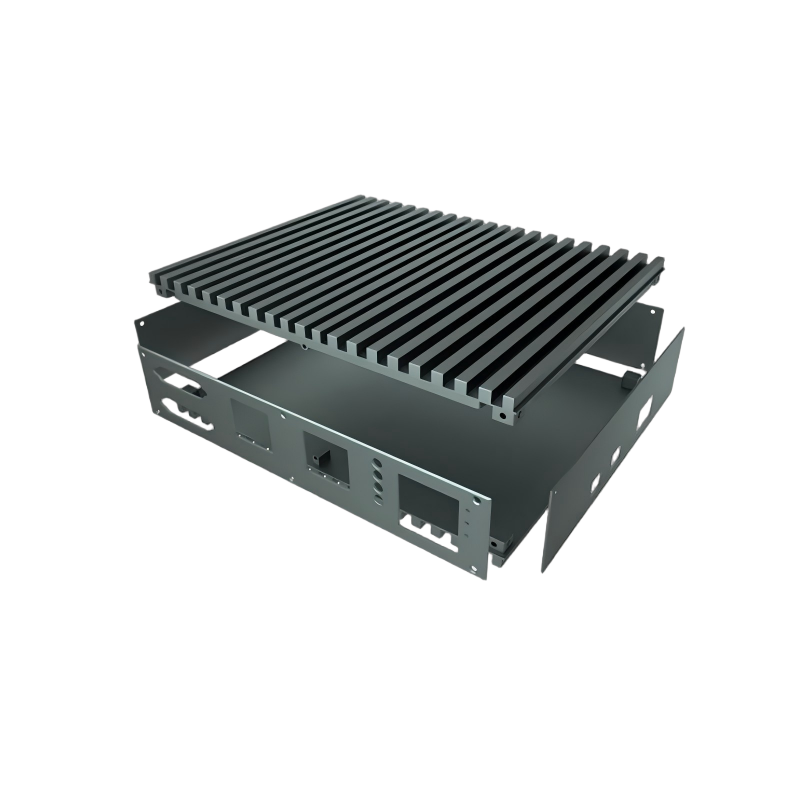
A stack-up that is acceptable on separate component reports can still fail once the parts are joined, because joining, hardware, and finish add relationships that were never checked together. The risk belongs to whoever is assigned to build and accept the assembly.
Each detail can be in print and the cover can still miss a hole pattern, a gasket face, or a fastener that now sits proud of a mating surface. The missing check is the assembled condition: datums that only make sense after parts are fastened or welded, and variation that accumulates across processes. ASME Y14.5 supplies the geometric language for those relationships when the drawing uses that convention. The commercial point is simpler. If you buy loose parts, your team inherits the stack. If you buy a custom-made assembly, the supplier inherits it only to the extent the purchase order names the assembled interfaces and the acceptance state.
Ask for the assembled checks in writing, not for a promise that “it will fit.” Identify the few dimensions or functional conditions that fail in the field, and require those to be verified after build. A parts-only inspection packet is not evidence that the stack was ever closed.
Table: loose parts vs kitted parts vs custom-made assemblies
The three buying modes differ by labor movement, evidence, and who owns a failed joint. Use the table to normalize quotations before you compare unit prices. A lower number that omits installation or test is not a discounted assembly; it is a different product.
| Buying mode | Supplier typically does | Buyer typically still does | Who owns a failed joint | What must be stated to compare quotes |
|---|---|---|---|---|
| Loose fabricated or machined parts | Make details to print and pack them | Sort, join, finish after receipt if needed, and test | Usually the buyer’s assembly process | Part revisions and any reserved features |
| Kitted parts | Group parts and listed hardware by assembly or station | Install, tighten or bond, and test | Usually the buyer, unless a supplied item is out of print | Kit contents, labeling, and missing-item rules |
| Custom-made assembly, not tested | Join and install specified hardware | Functional test and system install | Supplier for named joints and installation work; buyer for unstated tests | Join method, torque or adhesive, and visual or dimensional acceptance |
| Custom-made assembly, function-checked | Build plus the agreed check and records | Only excluded operations, such as final system install | Supplier within the written test and warranty scope | Test method, limits, records, and warranty boundary |
When a quote title says “assembly” but the body only lists details, classify it as loose parts or a kit until the supplier restates the joints and checks. Do not let a label collapse the table into a single price column.
Warranty, rework and who owns a failed joint
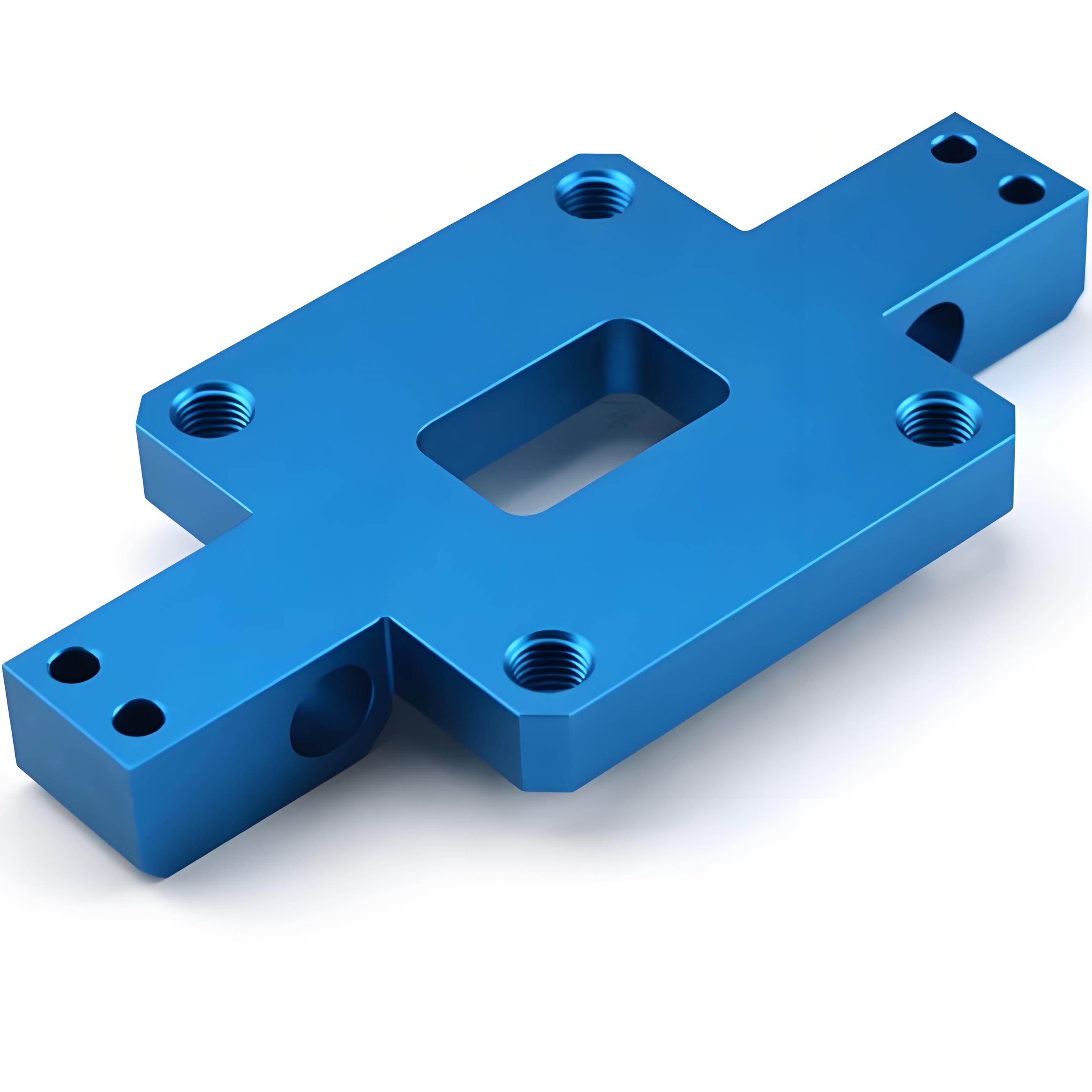
Warranty and rework follow the written assembly scope, not the fact that a supplier’s logo was on the carton. If the failed joint was never assigned, the buyer still owns the correction.
Spell out what “defect” means for this deliverable: a component out of print, an installed fastener that does not meet the stated tightening or installation rule, a weld or bond that fails a named inspection, or a module that fails the agreed function check. Component warranties on loose parts do not automatically extend to a joint your team created later. Conversely, a supplier-built assembly should not be treated as a parts-only shipment when a named joint fails under the stated condition.
Also state how rework is authorized, who pays for return freight, and what happens if the failure is a stack-up that individual certificates never covered. This is contract language, not a slogan. If you need a documented joining process, ask for the procedure reference in the quotation rather than discovering, after a field failure, that no procedure was ever part of the order.
Drawing callouts that force an assembly quote instead of a parts quote
Drawings force an assembly quote when they define the joined condition, the hardware, and the acceptance of the built module, not only a collection of detail parts. Loose-part files produce loose-part prices.
Include an assembly view, a bill of materials, and notes that assign joining methods and leftover work. If welds are required, use consistent symbols; AWS A2.4 is the usual reference for those symbols in U.S. practice. If self-clinching or other specialty hardware is used, identify the part and the host conditions rather than a thread size alone; the PennEngineering self-clinching fastener handbook shows why those conditions matter. ASME Y14.100 helps keep the drawing set internally consistent so the assembly document and the details tell one story.
Add a one-line commercial note on the RFQ: “Quote as a built assembly to the stated deliverable level; a parts-only price is incomplete.” That sentence is more effective than hoping a drawing title will be read as scope.
How to compare two assembly quotes with different scope
Compare assembly quotes by first lining up deliverable level, inclusions, records, and warranty, then comparing price. If the scopes differ, adjust or re-quote; do not average the numbers.
Build a side-by-side list: joints included, hardware installed or only supplied, finish sequence, inspection or test, packing, and leftover work. A quote that uses a rolled-up assembly price can still be compared if the supplier itemizes those elements in notes. A quote that itemizes every bracket but omits tightening is not more transparent; it is silent on the expensive line.
When revisions differ, freeze the drawing revision before you rank the prices. ASME Y14.35 addresses revision practices for engineering drawings and associated documents, which is the usual way to keep both suppliers on the same pack. A lower price on an older revision is not a saving if the interface has already changed.
FAQ
Should I buy a custom-made assembly or loose fabricated parts?
Buy a custom-made assembly when interface risk, hardware installation, and failed stack-ups would cost more on your floor than the higher piece price. Buy loose parts when your line already owns the fixtures, tools, and test method, and when you want to keep joining under your own quality system. Compare quotes only after each supplier restates leftover work, test ownership, and warranty limits in writing.
Who should rework a joint that fails after delivery?
Ownership follows the written scope. If the supplier built and accepted the joint to a named procedure and criterion, rework and related warranty discussion belong with that scope. If you bought loose or kitted parts and assembled them yourself, the failed joint is usually your process to correct, even if one component is later found out of print. Put this boundary in the purchase order before the first shipment, not after a field failure.
Can two assembly quotes with different bills of materials be compared on unit price alone?
No. A lower unit price can omit hardware, finish sequence, fixtures, inspection records, or a function check that the other quote includes. Normalize deliverable level, leftover work, and records first, then compare price. If a supplier refuses to restate scope, treat the omission as an unpriced risk rather than a saving, and ask for a revised quotation before ranking the numbers.
Do I need a full assembly drawing to request a custom-made assembly quote?
You need enough definition to freeze interfaces, hardware, and acceptance. An assembly model, component drawings, a bill of materials, and a short scope note are the usual minimum. If you only send loose-part files, many suppliers will quote parts. Add the joining method, test expectation, and any customer-furnished items so the response is an assembly quotation rather than a restated cutting price.
RFQ checklist for custom-made assemblies
Attach the assembly model, component drawings, bill of materials, quantities, finish sequence, and a statement of deliverable level: loose, kitted, built, or built and checked. Name customer-furnished items, approved alternates, the interfaces that must be accepted after build, and the warranty or rework boundary you expect to appear on the order.
Ask each supplier to restate that scope in the quotation. The restatement is the document you will use when two prices disagree. Upload the pack on the request-a-quote page, or send it to projects@6cproto.com or WhatsApp +86 180 2219 4001, and ask 6CProto to price the same deliverable level you will put on the purchase order.
Request a 6CProto custom-made assembly quote with a stated deliverable level