

Three identifiers deserve attention before toolpath review: the part number, the controlled drawing revision, and the material heat or lot reference where required. They connect different parts of the manufacturing evidence. For custom aerospace components, build the RFQ around the intended use and evidence chain, then assess machining access, special processes, inspection, and release requirements against that baseline.
Documentation buyers commonly request
Build a custom aerospace components RFQ around controlled design data, intended use, material and traceability, process requirements, inspection, required approvals, and delivery records. Identify which requirements apply to the actual program and supplier route. Confirm evidence before order release; machining capability, first-article results, quality-system certification, and flight approval are different claims requiring different support.
First establish whether the order concerns an appearance model, a fit-check part, ground-test hardware, tooling, or hardware subject to a specific flight program’s requirements. Have the responsible customer identify the applicable controls. Avoid letting the word aerospace silently define a universal documentation package.
List requested deliverables explicitly: material records, process records, dimensional reports, first-article documentation where required, conformity statements, identification, and other specified release records. Distinguish documents needed at quotation from records delivered with the parts. Confirm their format, revision, review point, and link to the actual lot or serial identifiers.
IAQG’s 9102 overview describes a standardized first-article inspection process and documentation approach. If invoked, state the applicable revision and customer additions. Do not treat a generic dimensional spreadsheet as proof that every required first-article activity has been completed.
Material traceability notes
Second define the material precisely enough for procurement and verification. Include alloy or grade, condition, product form, applicable specification and revision, and any required source restrictions. Avoid selecting material from a nominal alloy name while leaving temper, heat treatment, or supply form unresolved.
Agree how the material record connects to stock, cut blanks, work in progress, finished parts, and shipped quantities. Identify the traceability level required by the program, such as heat, lot, or individual part. Specify handling of remnant stock and any split or merged manufacturing lots where it affects that chain.
Inspect an example record package during supplier review where appropriate. Ask whether the certificate identifies the relevant material and condition, whether required results are included, and whether the finished part can actually be traced to it. A detached document with plausible chemistry is not the same as a controlled record linked to the order.
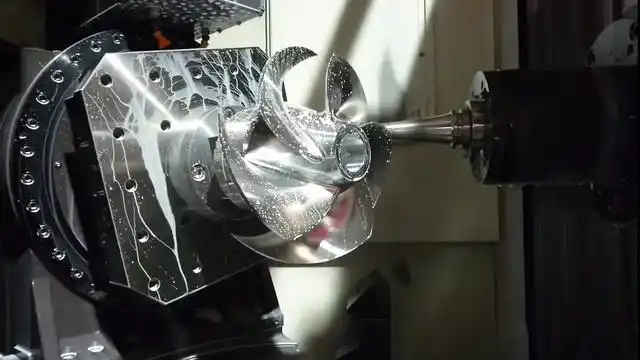
Table: RFQ contents
Use a shared RFQ matrix so engineering, purchasing, the machining provider, and outside processors work from the same baseline. Complete applicable entries and mark unresolved items for disposition before release.
| Package item | Buyer supplies | Provider confirms |
|---|---|---|
| Design baseline | Controlled drawing, model, revisions and precedence | Usable files and resolved discrepancies |
| Intended use | Program-defined use and applicable controls | Proposed route and approval gaps |
| Material | Grade, condition, specification and traceability | Supply route and linked records |
| Critical features | Datums, dimensions, surface and other requirements | Manufacturing and inspection approach |
| Special processes | Specifications, approvals and flow-downs | Actual processors and evidence scope |
| Acceptance | First-article, lot and release requirements | Deliverables, review points and exceptions |
| Change control | Approval authority and notification requirements | Control of approved configuration and route |
Keep contractual exceptions visible. A quote should identify an unavailable record or process approval, not conceal it in an assumption that only the physical part will be delivered. Resolve the acceptance scope before comparing price or committing the manufacturing route.
Finish and special process callouts
Third translate finishing and special-process notes into a reviewable route. Include the specification, revision, class or type where applicable, treatment condition, masking, critical dimensions after processing, required tests, and records. Identify which operations require an approved outside processor and what customer approval is needed.
PRI describes Nadcap as a process-focused accreditation program with a qualified-manufacturer listing. Where the program requires it, confirm the actual site and applicable accreditation scope. General machining capability or another company’s approval cannot establish that the proposed processor meets the requirement.
JPL clause QC76b is a concrete example of customer-specific special-process flow-down and record requirements. It applies when invoked by the relevant purchase requirements; it should not be copied indiscriminately onto an unrelated RFQ. Use the actual program’s clauses and obtain an explicit response against them.
What not to invent on supplier claims
Fourth separate the claims being checked. An industry service page describes a market or service category. A management-system certificate has an issuer, legal entity, site, scope, and validity. A processor accreditation has its own scope. An inspection record concerns the identified product and conditions. None automatically proves the others.
IAQG’s OASIS overview identifies its aerospace quality-system certification and registration resource. Use appropriate evidence to verify a required claim. This article does not assert that 6CProto holds AS9100 certification, Nadcap accreditation, or any unverified customer approval.
FAA’s PMA regulations and policies page links the particular production-approval framework and related guidance. It illustrates why an approval claim needs a defined basis. A prototype machining quote is not itself an authorization to install an aircraft part.
FAQ
These questions address specification details that should be settled before sample approval.
What identifies the quote baseline?
Use the controlled part number, drawing and model revisions, quantity, material condition, finish requirements, and required deliverables. Resolve document precedence and exceptions before release. A filename alone is a weak basis for controlling a manufacturing order.
Does a first-article report replace supplier certification?
No. Product and process verification records answer different questions from quality-system certification. Specify the applicable first-article requirements and separately verify any required supplier or process approvals. Neither document should be presented as a substitute for the other.
Can every machined prototype be described as flight hardware?
No. Identify its intended use and applicable approval, conformity, inspection, and release requirements through the responsible program. A successful fit check or an aerospace-themed service description does not establish that a component is approved for flight.
What should happen if a required approval cannot be demonstrated?
Identify the gap during quotation and resolve it with the responsible customer authority before order release. Record the approved manufacturing and processing route or decline the unsupported claim. Do not replace missing evidence with an unverified logo, certificate reference, or verbal assurance.
Related process selection notes
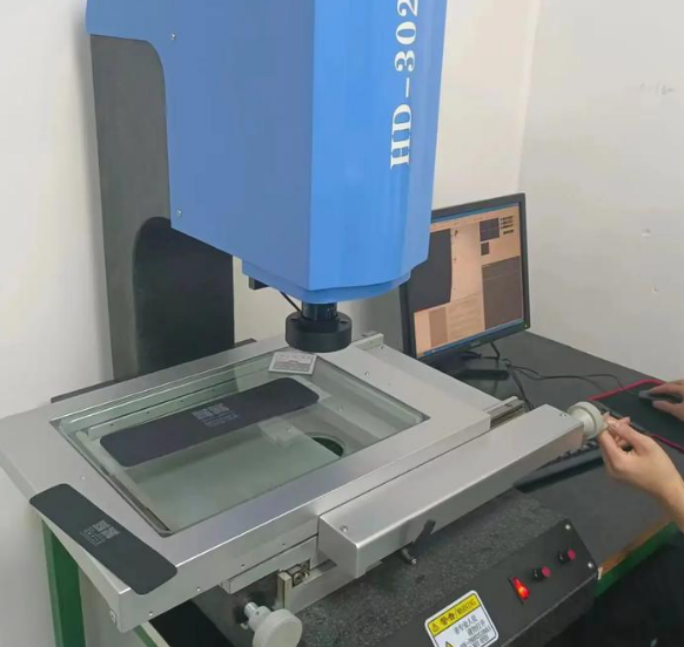
Fifth review the manufacturing and inspection plan together. Identify tool and fixture access, datum transfer, remaining stock, difficult surfaces, and how critical characteristics will be checked in the final condition. Five-axis access may help selected geometry, but it does not by itself validate material, special processes, or release documentation.
Use a representative technical review to close uncertainties before manufacturing. Identify who approves drawing changes, substitutions, rework, and deviations. Preserve the approved baseline and record the evidence delivered with the actual parts so that the package remains useful after the quote discussion ends.
Internal links and next steps
Send the controlled model and drawing, quantity, intended use, material specification, process callouts, traceability, and document matrix. Discuss the scope through aerospace applications and CNC machining. Review access through five-axis machining and resolve the drawing requirements against the standards and tolerances discussion.
Request a quote with the evidence matrix and approval requirements attached. Confirm supported capabilities and required records before order release.