

Five scope lines deserve a separate check before two CNC totals are compared: material, finishing, inspection, fixed work, and delivery. A difference in any one can make the quotations describe different purchases. Use a comparison worksheet to identify the common baseline, close exclusions, and negotiate a complete deliverable rather than relying on the headline figure.
Scope lines often omitted
Compare CNC machining quotes by normalizing design revision, quantity, material condition, manufacturing scope, final finish, inspection, required records, and delivery basis. Identify fixed work, recurring operations, exclusions, and assumptions separately. Resolve differences before comparing totals, then obtain a written quotation against the agreed accepted-part specification rather than interpreting an incomplete scope after order release.
First check that both suppliers received the same controlled drawing, model, quantity mix, and requirements. Identify precedence between files and whether alternate materials or design changes are permitted. A quote based on a simplified feature or another revision belongs in a separate scenario.
ASME’s Y14.5 overview identifies a language for geometric requirements. Confirm the actual drawing convention and acceptance basis instead of assuming a supplier’s general tolerance statement resolves every local requirement.
Check deburring, edge condition, threads, inserts, purchased hardware, cleaning, and packaging. Ask whether the deliverable is a loose machined component, a finished part, or an assembly. Keep customer-supplied items and operations outside the quote visible so they do not disappear from the total work required.
Material and cert assumptions
Second align grade, condition, product form, specification, and source restrictions where applicable. Identify whether the quote allows an equivalent and who approves it. A shared alloy-family name is not enough when temper, heat treatment, or stock form affects the requirement.
ISO 10474’s public scope concerns inspection documents supplied for steel products according to the order. It illustrates why the required document type belongs in procurement. Check the applicable material and contractual basis rather than imposing one steel-document reference on every metal or polymer purchase.
Distinguish a material record, a certificate of conformity, a dimensional report, and a supplier quality-system certificate. Ask what each document establishes and how it connects to the actual stock, manufacturing lot, and shipped parts. Avoid treating a generic “certs included” statement as an answer to all four questions.
Confirm whether required material testing, identification, traceability, or document review is included. If an approval is needed before machining, state the review point. Resolve missing evidence during quotation rather than accepting an unsupported substitution when the finished part arrives.
Secondary ops bundling
Third list secondary operations and their final-state requirements. Include heat treatment where specified, surface preparation, coating or plating, masking, assembly, cleaning, and inspection after those operations. Ask which party controls outside processing and which records accompany delivery.
Chem Processing’s anodize-buildup discussion shows why finishing can affect final dimensions. A machining-only quotation and a finished-part quotation may therefore differ in both work and acceptance. Confirm the required final fit and any approved allowances instead of comparing the coating as an isolated optional line.
For visible parts, include the approved reference, cosmetic zones, and sample-review scope. For functional surfaces, identify protection and final inspection. Ask how rework or a process change would be reviewed. A provider’s familiar default finish should not silently replace the drawing requirement.
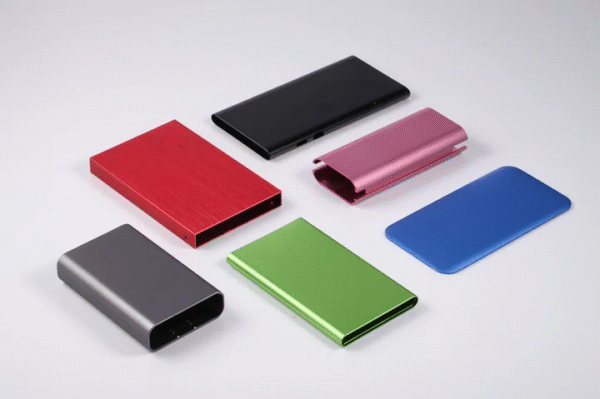
Table: comparison worksheet
Mark each response as included, excluded, conditional, or unresolved. The worksheet compares scope; it deliberately supplies no prices or invented processing times.
| Scope line | Common baseline | Question for each provider |
|---|---|---|
| Design and quantities | Part, revision, variants and batch split | Which files and quantities were priced? |
| Material | Grade, condition, form and required records | Any substitution or traceability exception? |
| Fixed work | Programming, fixtures and setup preparation | What is included and reusable on reorder? |
| Secondary operations | Complete finished route | Which operations and outside-process records are included? |
| Inspection | Characteristics, coverage, method and final state | Which checks and report format are supplied? |
| Delivery | Packaging and agreed delivery basis | What costs, responsibilities and conditions remain outside scope? |
ISO 10005’s public scope provides guidance for quality plans. Use a project-specific plan to define the required output and records. Its existence does not make every supplier’s standard inspection package equivalent or establish certification.
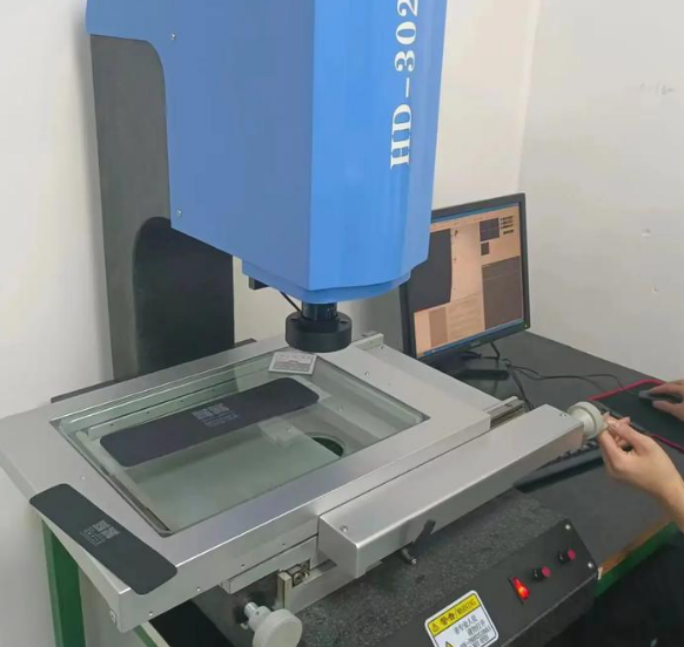
Review inspection evidence as carefully as machining scope. Specify measurement conditions for demanding features and whether an outside laboratory or particular evidence is required. ILAC P10 addresses metrological traceability within its accreditation framework. Where relevant, agree the required evidence; do not infer that a supplier or measurement service is accredited from a quote heading.
Negotiation questions
Fourth negotiate the work and assumptions that produce the difference. Ask which features drive tooling, setups, finishing, or inspection; which approved geometry changes would alter the route; and what changes across the requested quantity options. Request alternatives against identified requirements rather than an unexplained discount.
Separate first-build and repeat-order assumptions. Confirm ownership, storage, maintenance, and reuse conditions for dedicated fixtures or tools where relevant. A previous program may need revision, setup, or validation after a design or process change. Do not assume a setup charge disappears permanently because one batch has been completed.
Ask how exceptions and delivery assumptions affect the commitment. Obtain an explicit response on sample approval, required inputs, review points, and unresolved requirements. Compare revised proposals only after recording which baseline each uses.
FAQ
These questions address specification details that should be settled before sample approval.
What should be normalized before comparing totals?
Align the part and revision, quantity, material and condition, final finish, inspection, records, packaging, and delivery basis. Resolve exclusions and assumptions, then compare the complete accepted-part scope. A lower total is meaningful only when the required deliverable is understood.
Does material cert mean the supplier has a quality-system certificate?
No. Material inspection or test documentation and an organization’s quality-system certification are different records. Specify the material evidence, traceability, and any separately required supplier approvals. Verify the actual documents and their scope rather than treating the word certified as sufficient.
Should the buyer always negotiate away setup charges?
Review what the fixed work covers and how it applies to the requested quantity and future orders. A lower setup line may be offset elsewhere or exclude needed work. Compare complete scope and obtain an explicit basis for repeat pricing without assuming all preparation is reusable.
Can a standard inspection report satisfy every drawing requirement?
Not automatically. Define the characteristics, coverage, method, final condition, traceability, and report format needed. Confirm any exceptions before order release. A report title or a small set of dimensions does not establish that every required acceptance activity is included.
Related process selection notes
Finally close the worksheet and issue a controlled purchasing package. Identify accepted alternatives, rejected deviations, included records, and the approval authority for later changes. Obtain supplier acknowledgment of the final drawing and scope before release.
Retain the comparison with the order and acceptance records. If a delivery fails an expectation, the baseline should show whether the requirement was specified and agreed. Use that evidence to resolve the issue and improve the next RFQ instead of reconstructing an informal conversation after production.
Evaluate the complete accepted purchase, including work performed elsewhere and any remaining verification. A comparable quote is a decision-ready description of what will be delivered, under what assumptions, and how acceptance will be demonstrated.
Internal links and next steps
Send the same model, drawing, quantity options, material requirements, finish, inspection plan, and record needs to each provider. Review CNC machining alongside the surface-finishing route and the standards and tolerances discussion.
Request a CNC quote with the common scope worksheet and required deliverables attached. Confirm inclusions and exceptions before comparing the commercial response.