

A prototype quote and a repeat-order quote can show very different unit prices without either being inconsistent. Preparation is spread over a different quantity, and the second order may reuse some work while repeating other setup tasks. CNC machining cost and setup amortization should be compared at the order level before unit prices are treated as evidence of efficiency.
The useful distinction is between nonrecurring preparation, recurring batch setup and recurring part operations. Programming may be retained, but the machine still needs a controlled setup. A fixture may be reused, but its condition and location still need verification. Calling every preparation activity a one-time charge obscures those differences.
This guide focuses on quotation comparison and the transition from prototype to repeat order. It does not supply market hourly rates or promise a percentage saving. The worked example uses assumed time values rather than invented prices, making the quantity effect visible without presenting a supplier quotation as an industry fact.
The machining scope must stay fixed while the commercial comparison changes. Material, final condition, inspection and delivery requirements should remain visible. A cheaper unit figure based on reduced acceptance work is a different offer, not proof that setup has been amortized more effectively.
What belongs in CNC machining cost and setup amortization?
Separate preparation, batch setup and work on each part.
Assess CNC machining cost and setup amortization by assigning each activity to its real recurrence, then compare total order cost at the same quantity, revision and acceptance scope.
Nonrecurring preparation can include initial programming, special fixture development or process planning. Batch setup can include installing fixtures, loading tools, establishing work offsets and confirming the first part. Recurring operations include the defined work repeated for each component, with inspection assigned according to its actual sampling or frequency.
NIST's distributed manufacturing cost-estimation paper uses a cost-breakdown approach and distinguishes setup, operation and nonoperation time. Its framework supports asking what is included; it does not establish a particular supplier’s rates or retained-work policy.
Avoid counting the same time twice. A machine rate may already include certain overheads, while another quotation lists them separately. A tooling charge may be a purchase, a usage allowance or a setup-related item. Clarify the commercial definition before adding line items.
The first comparison should identify activities and recurrence rather than demand disclosure of proprietary internal accounting. A supplier can explain the basis of a first and repeat order without exposing every cost element of its business.
Evaluate batch size and genuine part-family sharing
Increasing batch size reduces the preparation share per accepted part only when the same preparation supports the whole batch. The effect can be interrupted by tool changes, separate material lots, machine capacity, setup changes or release requirements. A larger purchase order does not automatically mean one uninterrupted setup.
Part-family sharing adds another question. Similar components may use a common fixture or tool set, but different datums, stock sizes or inspection requirements can still require separate preparation. Treat shared setup as an identified opportunity, not an assumed discount based on visual similarity.
Haas's workholding documentation includes machinable jaws and other fixture elements that illustrate why preparation can be tied to component geometry. A retained jaw can have reuse value, but its suitability and condition remain relevant to the next part or revision.
For a family quote, state quantities by part number and ask which activities can be shared. Compare the result with separate lots under the same requirements. Keep identification and traceability in the plan so that setup sharing does not create a risk of mixing nearly identical parts. The best grouping is one that reduces duplicated work while preserving a controlled route for each released component.
State which preparation survives a repeat order
A repeat order can reuse knowledge without eliminating setup. The supplier may retain the program, fixture and inspection plan, but the tool assembly, machine location, stock condition or operator context can differ. The required confirmation work should therefore remain in the repeat-order assumptions.
Haas's programming documentation shows the role of work coordinates and tool data in an actual machine context. Retaining a program file does not physically restore those conditions on a later setup. That is why a repeat quote should distinguish retained programming from recurring machine preparation.
State the conditions under which the quoted repeat basis applies: unchanged revision, material, quantity range, fixture availability and acceptance scope. Ask what happens if the order returns after a long interval or moves to another machine or production source.
Avoid treating a prototype’s offset corrections as a complete production process. Confirm whether they were incorporated into the controlled route or were temporary responses to an individual setup. A repeat price based on an assumed ready-to-run process is weak when the successful prototype depended on undocumented adjustment. Preserve the technical handover so that the commercial expectation has a reproducible basis.
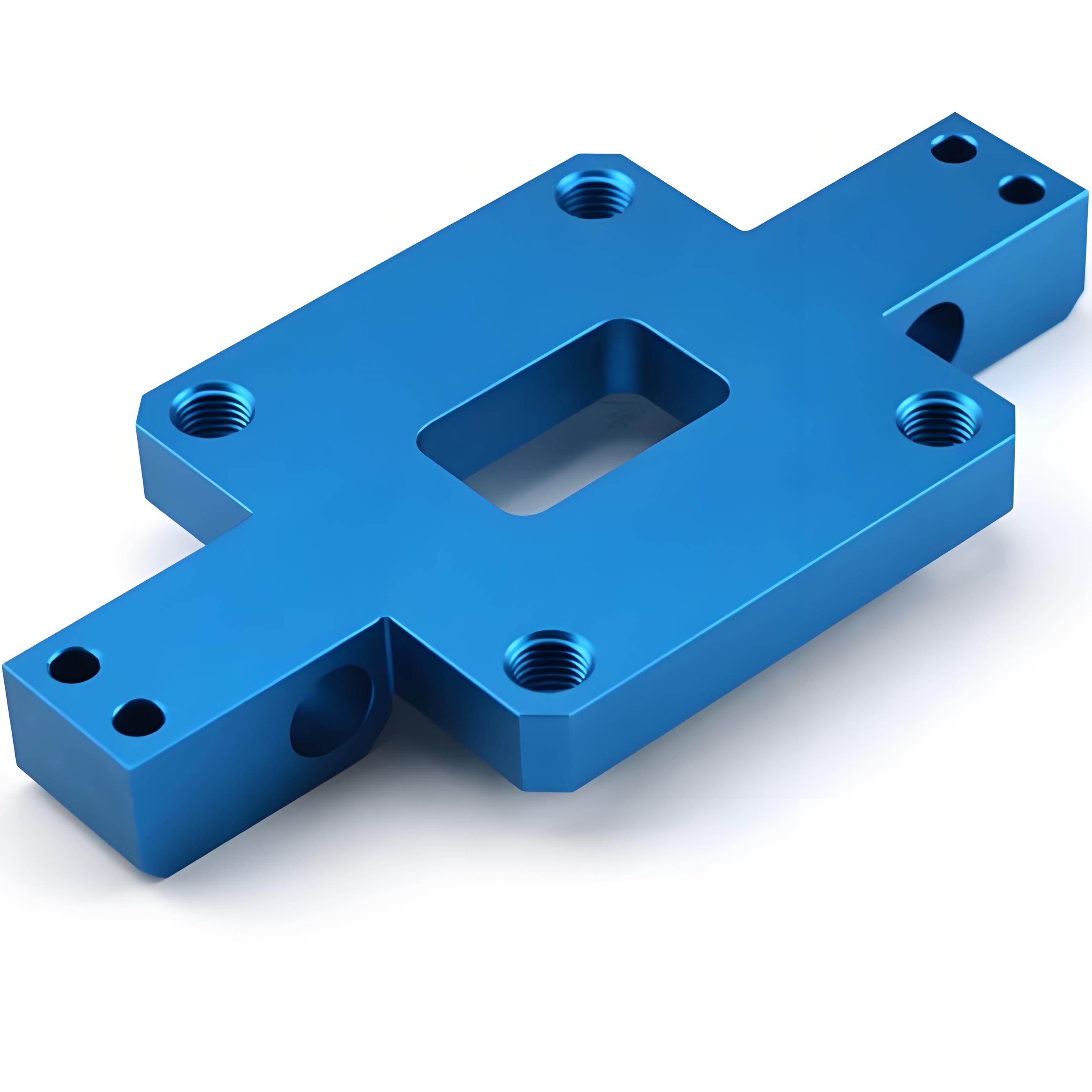
Compare quotations at the same technical scope
Like-for-like quotation comparison begins with a common scope. Match drawing revision, material and condition, quantity, finishing, inspection, packaging and delivery basis. Then compare preparation and recurring charges according to their stated commercial treatment.
Inspection can be a significant difference hidden behind the same part name. A first-article report, full dimensional check and limited in-process sampling are different activities. ASME's drawing and tolerancing framework establishes the language of controlled geometry, but the order must still identify what evidence is required and when.
The inspection scope should therefore be part of the comparison. If one supplier excludes a difficult measurement, the lower unit price cannot be credited solely to more efficient setup. The exclusion changes the deliverable.
Also distinguish ordered quantity from accepted delivered quantity. Scrap, replacement obligations and minimum material purchases can affect the total commercial result. Do not insert an assumed industry defect rate into a quote model. Use the actual supplier terms or leave the element explicit and unresolved. A transparent uncertainty is more useful than a precise-looking total built on invented yield or rework assumptions.
Separate the decisions hidden inside a unit price
The following matrix separates decisions that often become compressed into one unit price. It is a comparison aid, not a demand that every supplier use the same invoice layout. The aim is to understand which work and obligations the price includes.
| Element | Prototype question | Repeat-order question | Evidence to retain |
|---|---|---|---|
| Programming | What new preparation is needed? | What remains reusable at the same revision? | Program and revision basis |
| Workholding | Temporary or dedicated arrangement? | Is it retained, serviceable and available? | Ownership and reuse assumptions |
| Machine setup | How is the first part established? | Which checks recur each batch? | Setup and release method |
| Part operations | Which route proves the geometry? | Does the production route change? | Operation and inspection scope |
| Commercial boundary | What is excluded? | What triggers repricing? | Written quotation conditions |
For geometry-sensitive cost drivers, review the specific feature. Sandvik Coromant's pocket-machining guidance connects cutter access and pocket geometry to process choices. A difficult internal corner can remain recurring work even after programming is amortized. Fixing the quantity does not remove that geometric constraint, so a cost discussion should distinguish preparation savings from an actual change in the machining route.
Calculate preparation share without inventing a price
Assume a hypothetical route with 90 minutes of batch preparation and 6 minutes of recurring machine time per part. Ignore material, inspection, tool consumption, handling and other charges for this limited example. The total modeled time is T = 90 + 6Q minutes, and average modeled time is T/Q = 90/Q + 6 minutes per part.
At Q = 5, total time is 120 minutes and average time is 24 minutes per part. At Q = 25, the values are 240 minutes and 9.6 minutes per part. At Q = 100, they are 690 minutes and 6.9 minutes per part. The recurring 6-minute element has not changed.
If the same effective rate applied to all modeled time, multiplying these totals by that rate would give the modeled machining charge. Actual quotations can use different rates and commercial treatments, so the time comparison is not a price prediction.
Sandvik Coromant's milling formulas support distinguishing feed-related cutting time from other activities. Even a valid cutting-time calculation omits setup, tool changes, inspection and handling unless they are added explicitly. The example shows why a larger batch can reduce the average without improving the underlying cutting cycle.
Retain prototype evidence without assuming production yield
Prototype records should identify what the trial actually established. A successful part can prove a geometry and support development of a route, but it does not automatically establish the recurring time or yield of a repeat lot. Separate observed work from anticipated production improvements.
For an initial order, retain the accepted drawing, process exceptions and inspection outputs. Record whether special fixtures or tools were created and whether they are available for reuse. A later quotation should be able to refer to these items without relying on a purchasing contact’s memory.
If the repeat route changes, identify why and what must be reverified. A dedicated fixture or different milling strategy may improve recurring work but introduce new preparation and validation. Compare the complete first-repeat transition rather than crediting only the expected cycle reduction.
Avoid using a single prototype’s unusually long development time as the recurring setup estimate, just as one unusually smooth repeat run should not become a universal guarantee. Quote assumptions should reflect the actual route and agreed scope. Where uncertainty remains, request separate options or a defined review point rather than hiding it inside an unsupported unit-cost forecast.

Define the commercial and technical repeat-order basis
The handover to a repeat order should preserve the released revision, quantities, material condition, finish and inspection basis. Confirm retained programs, fixtures and special tools, together with ownership, storage and availability where those affect reuse. Identify which setup and first-part checks recur.
State repricing triggers clearly. A geometry revision, changed material, altered quantity or new report requirement can change preparation and recurring work. A similar-looking replacement part may still require a different fixture or process, so continuity of part number alone is not enough.
For split deliveries, clarify whether the order is produced as one lot and stored or repeatedly set up in smaller batches. Those arrangements spread preparation differently and can have different traceability and acceptance implications. Compare them using the supplier’s actual proposal rather than assuming the annual volume is the amortization quantity.
The result should be a repeat-order basis that purchasing and engineering can both explain. It need not expose confidential shop accounting. It must identify what work is reused, what work recurs and what obligations remain unchanged so that a lower unit price can be understood without weakening the component definition.
FAQ
How is machining cost calculated when the supplier gives only one unit price?
A single unit price can include preparation, material, machining, inspection, finishing and commercial overhead in an aggregated form. Ask for the first-order and repeat-order assumptions, quantity breaks and exclusions rather than assuming a hidden hourly rate. For comparison, use the total order value and a common technical scope. The supplier does not have to disclose every internal accounting element for the offer to be clear about what is delivered and what changes the price.
Does paying a fixture charge automatically transfer fixture ownership?
Not necessarily. Ownership, storage, maintenance, access and transfer rights depend on the commercial agreement. A line labeled fixture or tooling can represent different arrangements. Clarify those terms before relying on future reuse or moving work to another supplier. Keep the agreement linked to the part revision and fixture identity. Technical suitability also remains separate: owning a fixture does not prove that it is appropriate for a revised component or another machine.
Is it cheaper to order a year's demand in one batch?
The machining preparation share may fall, but the overall decision also involves inventory, revision risk, storage, cash commitment and the supplier's proposed production arrangement. A forecast is not the same as a firm unchanged order. Compare a single batch with a defined release schedule using actual quotation terms and technical requirements. Do not assume that annual volume produces one setup if the supplier will manufacture several independently released lots.
Conclusion
Setup amortization explains how preparation is distributed; it does not explain every difference in a machining quotation. Separate initial development, recurring batch setup and work repeated on each part, then compare the same quantity and acceptance scope. Keep retained programming distinct from the physical work needed to restore a controlled machine setup.
The time example shows the quantity effect without inventing a market rate. Its limits matter: material, inspection, yield and commercial treatment remain outside that simplified calculation. A useful repeat-order agreement makes those elements explicit and identifies what would invalidate the reuse assumptions.
For a first-and-repeat comparison, send 6CProto the released drawing, prototype quantity, expected repeat batches and inspection needs. This gives the quotation discussion a concrete basis for separating preparation from recurring manufacturing work.
{“@context”: “https://schema.org”, “@type”: “FAQPage”, “mainEntity”: [{“@type”: “Question”, “name”: “How is machining cost calculated when the supplier gives only one unit price?”, “acceptedAnswer”: {“@type”: “Answer”, “text”: “A single unit price can include preparation, material, machining, inspection, finishing and commercial overhead in an aggregated form. Ask for the first-order and repeat-order assumptions, quantity breaks and exclusions rather than assuming a hidden hourly rate. For comparison, use the total order value and a common technical scope. The supplier does not have to disclose every internal accounting element for the offer to be clear about what is delivered and what changes the price.”}}, {“@type”: “Question”, “name”: “Does paying a fixture charge automatically transfer fixture ownership?”, “acceptedAnswer”: {“@type”: “Answer”, “text”: “Not necessarily. Ownership, storage, maintenance, access and transfer rights depend on the commercial agreement. A line labeled fixture or tooling can represent different arrangements. Clarify those terms before relying on future reuse or moving work to another supplier. Keep the agreement linked to the part revision and fixture identity. Technical suitability also remains separate: owning a fixture does not prove that it is appropriate for a revised component or another machine.”}}, {“@type”: “Question”, “name”: “Is it cheaper to order a year’s demand in one batch?”, “acceptedAnswer”: {“@type”: “Answer”, “text”: “The machining preparation share may fall, but the overall decision also involves inventory, revision risk, storage, cash commitment and the supplier’s proposed production arrangement. A forecast is not the same as a firm unchanged order. Compare a single batch with a defined release schedule using actual quotation terms and technical requirements. Do not assume that annual volume produces one setup if the supplier will manufacture several independently released lots.”}}]}