

Liquid silicone rubber behaves so differently from a thermoplastic that LSR molding is closer to a separate trade than a variation on injection molding. Suppliers who are strong on plastic often have little LSR capacity, which makes the evaluation checklist different from the usual one.
Why LSR is a different process
Silicone rubber arrives as two liquid components that cure when mixed and heated, rather than as pellets that melt and solidify. The material is pumped, mixed and injected at low temperature and cures in a heated mold, which means the tooling, the feed system and the process window all differ from thermoplastics. The tooling also has to handle a material with very low viscosity, which will flash into any gap it can reach.
| Element | Thermoplastic molding | LSR molding |
|---|---|---|
| Feed stock | Pellets, melted in a barrel | Two liquid components, mixed at the machine |
| Tooling | Hot runner or cold runner | Cold runner with temperature control to prevent cure in the runner |
| Mold temperature | Cooled | Heated, to cure the part |
| Flash risk | Moderate | High; low viscosity finds every gap |
| Tool steel | Hardened for wear | Hardened and precisely sealed for flash control |
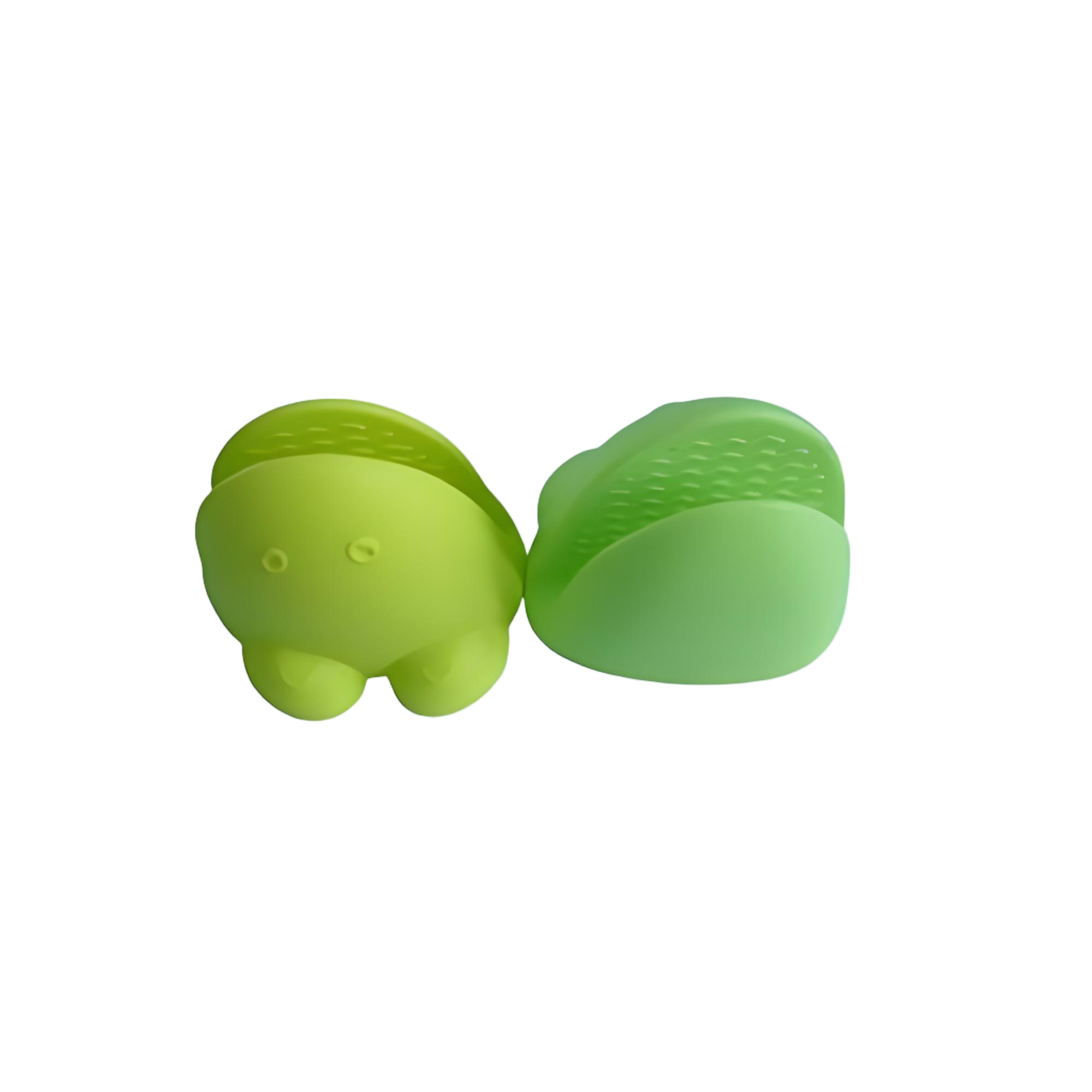
What to look for in an LSR molding supplier
Five capabilities matter more than a general process list. First, cold runner tooling and the temperature control that makes it work, because a supplier without it will waste material or struggle with consistency. Second, experience with the specific hardness range the part needs, since very soft grades behave differently in the mold. Third, post-processing appropriate to the application, which may include deflashing, secondary curing, cleaning or surface treatment for bonding. Fourth, the ability to mold onto a substrate if the part combines silicone with plastic or metal. Fifth, a documented trial and approval process, because silicone parts are often used in sealing and medical roles where the record matters.
The right questions to ask are specific rather than general. What cold runner system is used, and what is the expected material utilisation? How is flash controlled on a part with a sealing face? What durometer range is run regularly? And how are parts validated when the application is a seal, where the acceptance criterion is a functional test rather than a dimension.
Tooling decisions that decide the part price
In LSR, tooling determines both flash and cycle time, and both drive cost. Because the material flows so easily, the shut-off faces between cavity and core have to be precise; a mold that would be acceptable for polypropylene will flash with silicone. The cold runner system is the second major decision: an open cold runner wastes some material per shot, while a valve-gated cold runner reduces waste at higher volume and adds tooling cost.
Cavitation follows the same logic as any molding project, with one addition: LSR parts are often small, so the case for more cavities is stronger than for larger parts. The counterweight is that silicone flashes more readily as the mold gets more complex, so a higher cavity count demands tighter toolmaking rather than just more cavities.
Material grades and what they change
Silicone grades vary in hardness, tear strength, temperature range and compliance with food-contact or medical expectations. Hardness is the grade most often discussed and the one that most affects the part in use: a soft grade seals at low pressure and feels compliant, while a harder grade resists compression set and holds shape under load. Tear strength matters wherever the part is stretched or pushed over an edge, and temperature range determines whether the part survives an application that sees heat cycling.
Grade selection should follow the function rather than a generic default. A sealing gasket that must compress easily is a different specification from a keypad that must survive repeated pressing. Material and property data are published by ASM International, and applications that contact food or the body bring additional requirements from the US Food and Drug Administration depending on the intended use.
Validation, cleanliness and documentation
Where the part has a sealing or protective function, dimensional inspection is a weak test. A gasket can measure correctly and still leak, so validation usually includes a functional check such as compression, leak or force testing, with the results recorded against the batch. For medical and food-contact work, cleaning and packaging also belong in the specification, because silicone attracts dust and a part can be dimensionally perfect and still unacceptable.
Two records are worth requiring. The material batch and its certification, since silicone properties vary between lots, and the cured part’s hardness and compression behaviour on the trial samples, because those are the properties that shift when the process changes. Process practice is described by the NIST Manufacturing Extension Partnership, drawing conventions follow ASME standards, and handling and waste obligations for the process are set out by the US EPA. Where silicone is molded onto a rigid substrate, that case is covered under overmolding.
It is also worth confirming how the supplier handles a change in hardness grade, since a softer compound flows differently and may need different tooling clearances. A supplier who can explain that difference has run the range rather than a single grade.
Send the drawing with the hardness, the sealing or protective function and the validation you need, and request an LSR molding quote with the tooling route stated.
FAQ
What should you look for in an LSR molding supplier?
Cold runner tooling and the temperature control around it, experience in the hardness range the part needs, appropriate post-processing, the ability to mold onto a substrate, and a documented trial and approval process for a part whose acceptance is functional.
What makes LSR different from thermoplastic molding?
The material arrives as two liquid components that are mixed and cured in a heated mold rather than melted from pellets. Its low viscosity flashes into any gap, so the tooling must be sealed more precisely and the runner kept cold.
What tooling does an LSR part require?
A mold with precisely sealed shut-off faces and a cold runner system to prevent the material curing before it reaches the cavity. Cavitation and runner type are the two decisions that most affect part price.