

Explore Manufacturing Materials Guides
A brass valve body can retain its external shape while losing sound metal below the surface. That makes a clean appearance and a successful dimensional inspection poor substitutes for an alloy and service review. Brass dezincification involves the zinc loss and copper rich porous material described in CCI's conservation guidance; the practical concern is the remaining ability to carry pressure, assembly load or repeated stress.
Start with the actual fluid and operating history, then identify the precise alloy and product condition. This guide separates a material designation, a corrosion test result and an assembled component qualification. They answer different questions. A machine shop can reproduce the geometry accurately without establishing that an unspecified brass is suitable for the intended water chemistry.
Service environment and exposure
A useful exposure description goes beyond “water contact.” Record whether the part sees potable water, process water, seawater, cleaning solutions or alternating wet and dry conditions. Include operating and shutdown temperatures, stagnation, flushing, deposits, treatment chemicals and the opportunity for oxygen exchange. The Copper Development Association describes layer and plug attack in its seawater corrosion guidance. Neither form can be excluded by choosing a thicker wall alone.
Ask where water actually remains after operation. A blind recess behind a seal may experience a different environment from the main flowing passage. Similarly, a test coupon in a circulating tank may not reproduce a threaded cavity that stays wet during a long shutdown.
Organize the exposure history before interpreting a failed part. Photographs taken before cleaning, fluid analysis, service duration and the location of leakage help distinguish a material problem from installation damage. If the chemistry is unknown, record that uncertainty explicitly rather than treating normal room temperature water as the default exposure.
Treat mixed exposure separately. A component that is routinely drained may still retain liquid behind a seal, so shutdown conditions belong in the service specification alongside operating conditions.
Affected alloy families
Brass names describe a broad family, not a single corrosion response. Zinc content, phase structure, minor additions and manufacturing condition influence behavior, while the severity of the environment still matters. CDA’s introduction to brasses discusses the balance between properties and alloy families; its seawater corrosion guidance explains why some brasses need particular care in marine service.
An inhibited brass designation is therefore more useful than a generic instruction to use yellow brass. However, an alloy containing a beneficial minor addition should not automatically be labeled suitable for every wet application. Verify the recognized grade, applicable material specification and required condition, including any processing on which resistance depends.
Avoid substituting a readily available machining brass solely because its strength or machinability appears comparable. Two grades may machine similarly yet differ in corrosion performance, lead content or regulatory acceptability. Likewise, the term bronze on a commercial listing does not establish composition. Resolve names to an actual material designation before comparing test evidence or approving a purchase order.
Ask whether the supplied stock and finished part share the condition represented by the supporting data. Subsequent forming or thermal processing can invalidate a simple grade comparison.
What should brass dezincification change in a design?
Select the alloy and verify the wet geometry together.
Consider the actual fluid, local stagnation, remaining wall and mechanical loading together; a corrosion resistant label alone does not validate a finished pressure containing component.
Geometry affects both exposure and consequence. A narrow annulus, deep thread root or sharp local transition can leave little sound section if attack progresses. A polished exterior cannot compensate for an inaccessible pocket that retains aggressive liquid. Conversely, eliminating a crevice does not turn an inappropriate alloy into an appropriate one.
Treat pressure boundaries, sealing lands and highly stressed threads as separate design features with explicit acceptance requirements. Review accessible radii, passage cleaning and drainage through a CNC machining design review. This addresses manufacturability without assuming that machining establishes corrosion resistance. If a coating is proposed, assess edges, pores, wear and repair requirements; the substrate still needs a defensible selection for the anticipated exposure and any credible coating damage.
Review access for cleaning and examination as part of the geometry decision. An inaccessible pocket makes both maintenance and a later failure investigation harder to interpret reliably.
Specify verification without assuming suitability
Define what the test must establish before selecting a laboratory method. A material screening test, chemical analysis, metallographic examination and service simulation provide different evidence. A screening result is only meaningful with its method, specimen preparation, exposure and interpretation criteria. It is not a universal prediction of years in service.
For a new design, ask the responsible engineer to identify the applicable product requirements and water contact obligations. These can include concerns other than dezincification. NSF’s health effects standard explanation separates drinking water contact evaluation from mechanical performance; corrosion resistance alone does not demonstrate either approval.
The CDA temper designation guidance also matters because material condition is a distinct procurement attribute. Preserve the relationship between the test specimen and the production material: grade, heat or lot, processing history and sampling location. Where the component has thick and thin sections, agree whether a coupon represents both. State unresolved assumptions in the technical acceptance record rather than converting them into an unsupported drawing guarantee.
Agree who approves a test result that is borderline or inconsistent between specimens. Procurement should not resolve a technical acceptance conflict by selecting the most favorable report.
Grade and condition comparison table with cited data
Compare candidate materials against the same exposure and documentation needs. The following table is a selection framework, not a ranking or a list of interchangeable grades. Use the relevant product specification and supplier documentation to populate the final decision.
| Candidate description | What to verify | What the description cannot prove |
|---|---|---|
| General machining brass | Exact composition, condition and intended wet environment | Resistance based on machinability or color |
| Specified inhibited brass | Recognized grade, required processing and relevant test evidence | Suitability for every chemistry or temperature |
| Alternative copper alloy | Mechanical, corrosion and manufacturing requirements together | Drop in interchangeability with the original brass |
| Coated brass component | Substrate suitability, coating coverage, damage and inspection plan | Permanent isolation from the fluid |
CDA’s individual alloy database entry illustrates the importance of using a specific designation rather than a family name; it is not an endorsement of that grade for this application. Keep corrosion, mechanical performance and compliance in separate review columns. A candidate that passes one column may still fail another.
Keep the proposed alternative in a controlled comparison until all required reviews are complete. Similar nominal chemistry does not authorize a substitution across different material product specifications.
Worked selection or investigation example
Consider a hypothetical valve sleeve with a 3 mm nominal wall and a blind seal recess. The example assumes intermittent treated water service, a long wet shutdown and an existing leak near the recess. These are investigation inputs, not a declared safe operating condition or a service life model.
First preserve the failed component and identify its material records. Next map the leak relative to threads, seals and retained liquid. Compare a section through the affected area with an apparently sound region; chemical analysis alone cannot describe the depth or distribution of attack. Review the shutdown water and cleaning history before deciding whether the recess geometry contributed.
For a replacement, compare a precisely specified candidate alloy with revised drainage and a verified minimum section. Keep the geometry change and material change traceable, so a later test can be interpreted. The drawing’s 3 mm dimension says nothing about a permissible corrosion depth. That acceptance must come from the component’s mechanical assessment and applicable requirements, followed by an agreed validation program.
Retain an unused component from the same material lot when available. Comparing its structure with the failed part can help distinguish starting condition from service related change.
Verification evidence and limits of inference
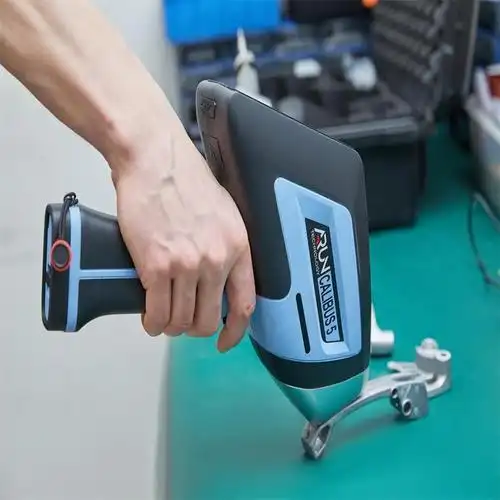
A material certificate supports identity and specified properties, while microscopy can reveal local attack in the examined section. Neither establishes the condition of every location in every component. Sampling strategy matters particularly when corrosion is localized, because a section away from a plug type region may appear reassuring.
Record section locations, preparation, magnification, observed morphology and the method used to measure any affected depth. Relate those locations to the functional drawing. If dimensions are measured after cleaning, record what was removed; aggressive preparation can alter the evidence.
For ongoing production, separate incoming material checks from component acceptance and service surveillance. A dimensional plan developed around drawing tolerances and inspection requirements can confirm a sealing diameter or wall feature, but cannot replace corrosion qualification. A surface treatment record is similarly limited: surface finishing describes a process route, not proof that the fluid never reaches the substrate. Accept the claim that each measurement actually supports, and retain the remaining limitations.
A local examination should identify its detection and sampling limits. The absence of attack in one examined area does not establish that every internal recess remains unaffected.
Material and process notes for the drawing
The drawing should identify the alloy by a recognized designation and name the applicable material condition. If resistance depends on a particular processing condition, make that requirement explicit and connect it to the required evidence. Avoid a vague note such as “DZR brass or equivalent” when equivalence has not been defined.
Identify wet surfaces, pressure retaining sections, seal locations and any features where polishing, plating or material removal is restricted. The corrosion acceptance document should state the test method, specimen relationship and approval responsibility. Keep these requirements coordinated with the component’s mechanical specification rather than attempting to compress the entire qualification into one generic finish note.
For machining review, provide a sectioned model showing retained liquid pockets and restricted cutter access. A discussion of milled passages and recesses can resolve whether a proposed geometry is practical without implying that a particular alloy has already been approved. Require written approval for grade substitutions and preserve lot traceability across any subsequent processing.
Separate material identity from machining notes in the purchase package. This helps prevent a shop floor interpretation of machinability from overriding the approved wet service material requirement.
FAQ
Can dezincification of brass be reversed?
Cleaning or polishing does not rebuild the original load carrying alloy once zinc has been selectively removed. A copper rich porous region must be evaluated as material damage, even if the surface can be made bright again. For a leaking or highly stressed component, determine the affected depth and remaining sound section through a qualified investigation. Replacement, redesign or another disposition requires the responsible engineer; a cosmetic treatment is not evidence that the original mechanical condition has been restored.
Does pink brass always mean dezincification?
A pink surface is a reason to investigate, not a complete diagnosis. Surface chemistry, cleaning history and corrosion products can affect appearance. Confirm the alloy and examine the affected region before assigning the mechanism. Localized attack may also be present below a surface that is not obviously pink. Relate visual observations to metallographic and service evidence, especially when leakage, brittle damage or a pressure boundary is involved, rather than using color as the sole acceptance test.
Can a coating make ordinary brass suitable for wet service?
A coating may be part of a validated protection system, but its success depends on coverage, adhesion, porosity, damage and service exposure. Threads, sharp transitions and moving seals may be particularly difficult locations to protect consistently. Review credible coating defects and wear during the material assessment. The substrate selection and final component qualification still need evidence. Do not infer permanent fluid isolation from a coating description or a bright finished appearance alone.
Conclusion
Specify wet service brass by the exposure it must withstand and the evidence that will establish suitability. Begin with the fluid and shutdown conditions, identify the exact alloy and condition, and then review the geometry that controls retained liquid and remaining load carrying section. Keep a material screening result separate from an assembled component qualification.
For procurement, the most useful package links the material designation, required processing, relevant corrosion method and critical drawing features. This prevents a nominally similar machining grade or an attractive coating from becoming an unreviewed substitution. Where the environment remains uncertain, resolve it before treating a new grade as the final answer. To discuss a defined component geometry and its manufacturing requirements, send the drawing and material specification for a quotation.
{“@context”: “https://schema.org”, “@type”: “FAQPage”, “mainEntity”: [{“@type”: “Question”, “name”: “Can dezincification of brass be reversed?”, “acceptedAnswer”: {“@type”: “Answer”, “text”: “Cleaning or polishing does not rebuild the original load carrying alloy once zinc has been selectively removed. A copper rich porous region must be evaluated as material damage, even if the surface can be made bright again. For a leaking or highly stressed component, determine the affected depth and remaining sound section through a qualified investigation. Replacement, redesign or another disposition requires the responsible engineer; a cosmetic treatment is not evidence that the original mechanical condition has been restored.”}}, {“@type”: “Question”, “name”: “Does pink brass always mean dezincification?”, “acceptedAnswer”: {“@type”: “Answer”, “text”: “A pink surface is a reason to investigate, not a complete diagnosis. Surface chemistry, cleaning history and corrosion products can affect appearance. Confirm the alloy and examine the affected region before assigning the mechanism. Localized attack may also be present below a surface that is not obviously pink. Relate visual observations to metallographic and service evidence, especially when leakage, brittle damage or a pressure boundary is involved, rather than using color as the sole acceptance test.”}}, {“@type”: “Question”, “name”: “Can a coating make ordinary brass suitable for wet service?”, “acceptedAnswer”: {“@type”: “Answer”, “text”: “A coating may be part of a validated protection system, but its success depends on coverage, adhesion, porosity, damage and service exposure. Threads, sharp transitions and moving seals may be particularly difficult locations to protect consistently. Review credible coating defects and wear during the material assessment. The substrate selection and final component qualification still need evidence. Do not infer permanent fluid isolation from a coating description or a bright finished appearance alone.”}}]}