

Compare two hypothetical automotive housing builds. A machined model confirms access to fasteners, while a molded sample reveals a distorted sealing edge. Neither result contradicts the other: they answer different questions. A buyer planning automotive prototyping needs a release checklist that identifies each build’s purpose and the evidence needed before moving toward low-volume production intent.
Intent of the prototype
Plan automotive prototyping around the decision each build must support, then specify representative geometry, material, process, inspection, and records. Move from surrogate models to production-intent parts when the evidence requires it. Approve the design baseline and gaps before tooling commitment; a fit check does not establish molding performance, process capability, or customer production approval.
First write the decision in a form the buyer and engineer can evaluate. Examples include connector access, fastener installation, sealing geometry, clip behavior, cosmetic appearance, or a defined environmental test. State what constitutes a useful result and what will remain unresolved.
In the hypothetical comparison, the machined model can support its selected assembly checks while providing no direct evidence about a later mold’s flow or cooling. The molded sample can reveal behavior of its own material, tool, and processing. Record both findings against their objectives instead of ranking the samples simply by appearance.
AIAG’s APQP overview identifies launch planning, sourcing, change management, risk, and gated management topics. It supports defining decisions and evidence through development. The public overview does not establish a complete APQP implementation or a supplier approval.
Process ladder options
Second compare a process ladder against the actual questions. Printing or machining can support selected geometry work. Machining an available production-grade stock may serve a material-related objective, but it does not reproduce a molding route. Urethane casting can provide repeated surrogate parts, while a cast “-like” formulation needs its own evidence boundary.
Soft or bridge tooling can investigate molded geometry and an actual thermoplastic. Define the tool construction, cavities, gating, cooling, processing, inspection, and differences from the intended production setup. “Soft” and “hard” are incomplete descriptions of how representative a sample will be.
Autodesk’s orientation-related warpage guidance explains why molding conditions, gates, and thickness deserve review. A molded sample can reflect process effects absent from a machined surrogate. Simulation and trials should be interpreted within their assumptions rather than presented as an unconditional dimensional guarantee.
Third identify what changes at the next stage. If the geometry, resin, cavity, gate, machine, process window, or finish changes, determine which earlier results remain applicable and what must be repeated. Preserve the reason for each new build in the controlled plan.
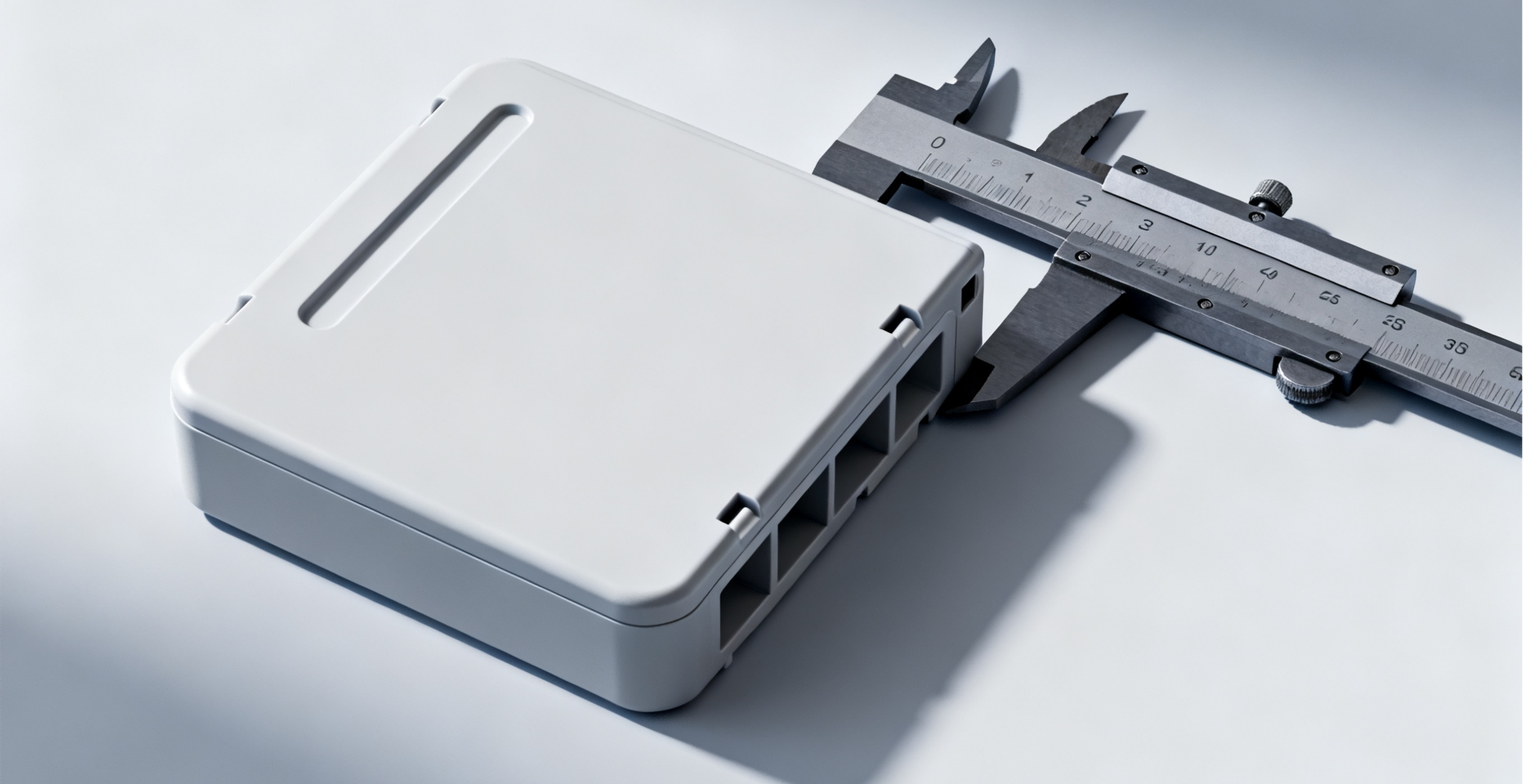
Table: when to hard-tool
Use the following checklist before committing to a production tool. These are review questions, not universal approval gates or an automotive customer’s mandatory process.
| Question | Evidence to close | Reason to defer or revise |
|---|---|---|
| Is the design baseline controlled? | Approved geometry, interfaces and requirements | Unresolved changes could invalidate the tool |
| Is the material selected? | Specific grade and relevant evaluation | Surrogate results do not answer the next test |
| Is the process representative? | Reviewed gating, cooling, cavities and operations | Important production differences remain unassessed |
| Is demand defined? | Agreed quantities, variants and supply assumptions | Commercial basis for the tool is uncertain |
| Is acceptance agreed? | Inspection, tests, records and customer disposition | A physical sample alone cannot close approval |
Compare the full program scope: tool development, modifications, sample rounds, processing, secondary operations, inspection, required submission, and maintenance. Avoid choosing from recurring unit price alone while tooling revisions and unresolved verification remain outside the quote.
APQP-minded asks without inventing OEM certs
Fourth ask for records tied to the actual stage. Define the part and revision, material and lot, manufacturing route, key characteristics, inspection and testing, changes, and open issues. If a customer invokes APQP, a control plan, or PPAP requirements, identify the applicable version, scope, and acceptance authority.
AIAG’s Control Plan overview distinguishes the control-plan resource and its link to APQP. Specify the actual characteristics, monitoring, and response arrangements required by the project; a generic blank template does not control a manufacturing process.
AIAG’s PPAP overview relates production approval to consistent results under production conditions. A prototype’s dimensional report is useful evidence for its measured features, but it should not be renamed a complete PPAP submission or customer approval without the applicable work and disposition.
IATF’s customer-specific requirements directory shows that customer requirements differ and have their own versions. Confirm the requirements actually flowed down to the order. Do not infer an OEM relationship, IATF certification, or approved-supplier status from a manufacturing service category.
FAQ
These questions address specification details that should be settled before sample approval.
When should we buy a production tool?
When the design baseline, material, process requirements, expected demand, and acceptance plan justify that commitment. Resolve the remaining evidence gaps and customer requirements first. There is no universal quantity or calendar point that makes hard tooling the correct choice.
Does a soft-tool sample count as production intent?
Only to the extent the actual tool, material, process, and controls represent the intended production route for the requirement being evaluated. Document the differences and obtain the appropriate customer agreement. The phrase soft tool does not define evidence equivalence.
Related process selection notes
Fifth review the trial results and release the next scope deliberately. Record each requirement as answered, partly answered, failed, or still open, with the supporting test article and conditions. Determine whether a design change, process change, additional sample, or more representative route is needed.
For low-volume production intent, define which production materials and controls are already represented and which differences remain approved. Low quantity does not automatically remove a functional or customer requirement. Conversely, a preliminary appearance model should not be claimed to represent a mature production process simply because it resembles the final product.
Carry the approved baseline into repeat orders. Keep changes, deviations, rework, and submission status visible to the responsible customer team. A clear handoff is a list of supported results and resolved limitations, not an unexplained declaration that prototyping is complete.
Internal links and next steps
Send the model, drawing, quantities and variants, intended test, material requirements, production assumptions, open issues, and record matrix. Discuss the application through automotive development and the early build through rapid prototyping. Compare CNC work and the intended low-volume manufacturing route against the same decision and acceptance needs.
Request a quote with the prototype purpose, production differences, and next release criteria attached. Confirm supported processes and documentation before committing to tooling.
FAQ
These questions address specification details that should be settled before sample approval.
Does supplying a PPAP document mean the customer approved the part?
No. Submission, review, disposition, and approval are different states. Specify the required scope and customer acceptance process and retain the actual disposition. A generic form or an inspection report should not be presented as a customer approval.
Must every early prototype include a full production document package?
Determine that from its purpose and applicable customer requirements. Define a useful record package for the stage, with traceability and limitations clear. Increase representativeness and documentation when the next decision needs them rather than assuming every prototype and production order has identical scope.