

Aluminum is the most machined metal in production, and for good reason: it cuts fast, holds tight tolerances, produces good surfaces, and costs less per part than steel in most geometries. It is the default for everything from drone frames and electronics enclosures to automotive brackets and medical housings. But “aluminum” is a family, not a material, and the difference between a part that machines beautifully and one that tears, warps, or conks is usually the alloy and the design, not the machine. This article covers the aluminum alloys used in CNC machining, what each is good for, the machining behaviors that matter, and the design rules that keep a machined aluminum part straight, clean, and economical.
Why Aluminum Is the Machining Default
Aluminum combines the properties machining economics wants. It is lightweight, about a third of steel’s density, with good strength in the right alloys, excellent machinability, low cost per volume, and a surface that anodizes and finishes well. The trade-offs are real: aluminum is softer than steel, so wear surfaces and high-load parts need design attention, and its coefficient of thermal expansion is higher, so tolerances and assemblies have to account for heat. The default status is earned because for most structural, cosmetic, and electronic parts the strengths outweigh the weaknesses by a wide margin.
The Aluminum Alloys for Machining
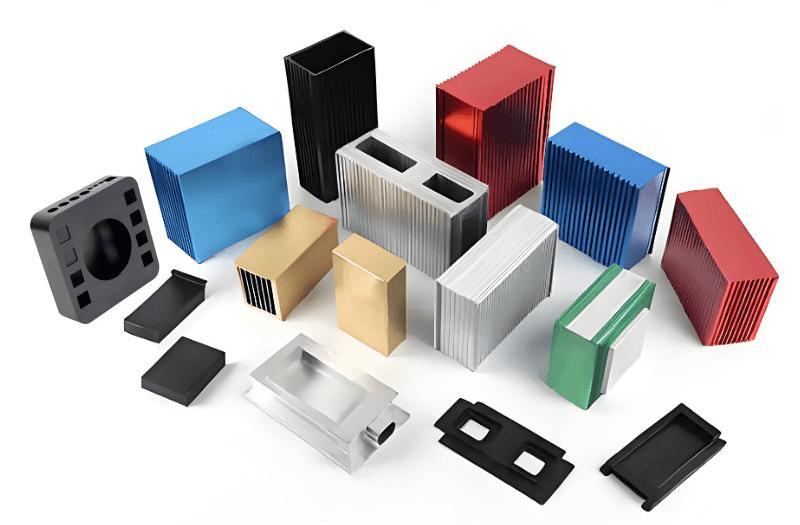
The alloy family is selected by the requirement: strength, corrosion, machinability, or weldability. 6061-T6 is the default for most machined parts, balancing machinability, corrosion, anodizing, and cost. 7075 earns its premium where strength matters and the part pays for the harder cut. 2024 and 6063 serve specific roles in aerospace and aesthetic profiles, and casting alloys are for near-net parts. The table is a starting point; the callout should name the grade and condition, because “aluminum” is not a specification.
| Alloy | Best for | Notes |
|---|---|---|
| 6061-T6 | General structural and machined parts | Balanced, machinable, anodizes well |
| 7075-T6 | High-strength components | Harder to cut, premium cost |
| 6063 | Extrusions, aesthetic profiles | Good finish, moderate strength |
| 2024 | Aerospace, high fatigue parts | High strength, corrosion watch |
| Cast alloys | Near-net shapes | Lower machinability, casting specific |
Machining Behaviors That Matter
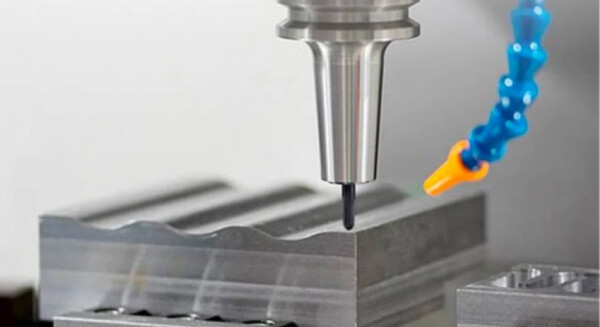
Aluminum machines fast with sharp tools, but the behavior changes with the alloy and the condition. The biggest practical issues are gumming, chips that stick and weld to the tool, and dimensional movement from heat. Feeds and speeds have to clear chips and control heat; a dull tool or a heavy cut heats the work and the part can grow and warp. For thin walls and finned geometry, the tool pressure and the heat are the enemies, and the strategy is lighter passes and controlled finishing. The machinist’s experience with the grade shows up in these choices.
Design Rules for Machined Aluminum
Machined aluminum rewards design that respects its limits. Keep wall thicknesses realistic for the process, avoid extremely deep pockets that force long tools, and specify radii where the geometry allows. Thermal expansion means press and snap fits have to be sized for the operating temperature, not the bench. Where the alloy is softer, specify the surface treatment: anodizing adds a hard wear surface and corrosion protection, and hard-coat anodize serves wear parts. The design rules are the difference between a part that machines the first time and one that fights the process.
Surface Treatment: The Anodize Decision
Anodizing is the standard finish for machined aluminum, adding corrosion resistance, a hard surface, and color. The decision about whether to anodize, and which type, belongs on the drawing with the tolerance basis, because the oxide layer adds thickness and hard-coat anodize changes fitting faces. Cosmetic anodize gives color and protection for visible parts; hard-coat serves wear and corrosion. State whether tolerances apply before or after anodizing, and confirm the color and the texture with a physical sample where appearance matters.
Sourcing Machined Aluminum Parts
When buying machined aluminum parts, the RFQ should name the alloy and condition, the critical features and datums, the finish and anodize basis, and the quantity and stage. A supplier that asks which alloy and how tight the critical features are is running the conversation properly. Confirm the DFM covers the thin sections, the thermal fits, and the finish, because those are where aluminum parts go wrong. The quote and the part are both the result of how well these were defined.
Bottom Line
Aluminum is the machining default because it combines speed, tolerances, finish, and cost, and the alloy choice is what turns “aluminum” into a part that performs. Select the grade by the requirement, machine to manage chips and heat, design for the thermal behavior and the wall limits, and finish to the surface the part needs. Named grade, controlled callouts, and a finish basis are the difference between a bracket and a problem. In machining aluminum, the design and the alloy are half the recipe; the machine is the other half.
Selecting the Alloy With the Machining Partner
The alloy should be selected with the CNC machining partner who will cut it, because the grade changes the feeds, the tooling, and the achievable surface. Confirm the partner’s experience with the specific alloy and the material data for the condition. Ask how the partner manages the chips, the heat, and the thermal fit for your geometry, because the machinist’s experience with the grade is the practical signal. The surface finishing route then completes the part: anodize for corrosion and appearance, hardcoat for wear.
The Alloy Decision Paid Off or Not
The alloy decision shows up in service. A 6061 part that needed 7075’s strength thins or bends; a 7075 part that needed 6061’s finish costs more than the finish it bought. Select the grade against the requirement, confirm it with the machining partner, and finish it for the surface the part needs. The alloy, the process, and the finish are one decision, and they are decided together.
Designing the Machined Aluminum Part
Machined aluminum rewards design that respects its process. Wall thicknesses that a cutter can hold, pockets shallow enough for a stiff tool, radii at internal corners, and bosses that stand proud by a machinable amount keep the tool short, the cut clean, and the part accurate. The thermal expansion of aluminum affects press and snap fits, so the fits are sized for the operating temperature, not the bench. And because aluminum is softer than steel, the surface treatment carries the wear: anodizing adds a hard, corrosion-resistant surface, and hard-coat anodize serves wear parts. The design rules are the difference between a part that machines the first time and one that fights the process.
The Finish and the Anodize Decision
The finish for a machined aluminum part is a decision with a tolerance basis. Anodizing adds corrosion resistance, a hard surface, and color, and the oxide layer adds thickness, so fitting faces have to account for it. Cosmetic anodize gives the appearance and the protection for visible parts; hard-coat anodize serves wear and corrosion. The drawing should state whether tolerances apply before or after anodizing, and the color and texture should be confirmed with a physical sample where appearance matters. The finish is part of the part, and it is specified, not assumed.
Sourcing the Alloy With the Machining Partner
The alloy is selected with the machining partner who will cut it, because the grade changes the feeds, the tooling, and the achievable surface. Confirm the experience of the partner with the specific alloy and condition, and how the shop manages chips, heat, and thermal fit for your geometry. The machining experience with the grade is the practical signal, and the DFM review should cover the thin sections, the thermal fits, and the finish. The alloy, the process, and the finish are one decision, and they are decided together in the RFQ.
The Alloy Table as a Decision Frame
The alloy table is a starting point, not an answer. 6061-T6 is the default for most machined parts because it balances machinability, corrosion, anodizing, and cost; 7075 earns its premium where strength matters and the part pays for the harder cut; 6063 serves aesthetic profiles and extrusions; and cast alloys are for near-net parts. Each row changes the process: the feeds, the tool life, the achievable finish, and the price. The callout should name the grade and the condition, because aluminum is a family, and the table only points to the family. The requirement decides the row, and the row decides the process.
Confirming the Part Against Its Service
An aluminum part is confirmed against its service, not just its drawing. The strength in the chosen temper, the corrosion in the environment, the wear under load, and the dimension at temperature are the properties that decide whether the part serves. The prototype and the first article carry the material, the condition, and the finish, and the verification covers the features that matter. An aluminum part that is confirmed against its service is a part whose alloy choice was an answer, not a habit. The last check is the one that closes the design.
Related Capabilities and Guides
For the service scope and the material and tolerance details behind this article, see the CNC machining, the aluminum material guides, and the anodizing services. The first article of your order ties the design to the measured result, and the same drawing, datum, and inspection discipline carry across the program.