

Two parts that each measure within tolerance can fail to assemble, because the fit depends on the sum of the tolerances, not on any single dimension. A plate, a spacer, and a pin can each be perfectly in spec and still leave the assembly too tight or too loose — the tolerances stack. Tolerance stack-up analysis is the method for predicting the assembly result before the parts are made: it sums the contributing tolerances along the chain that controls the fit, and it answers whether the worst-case assembly still works. The analysis is cheap at the drawing stage and expensive at the first assembly, which is why it belongs in the design review.
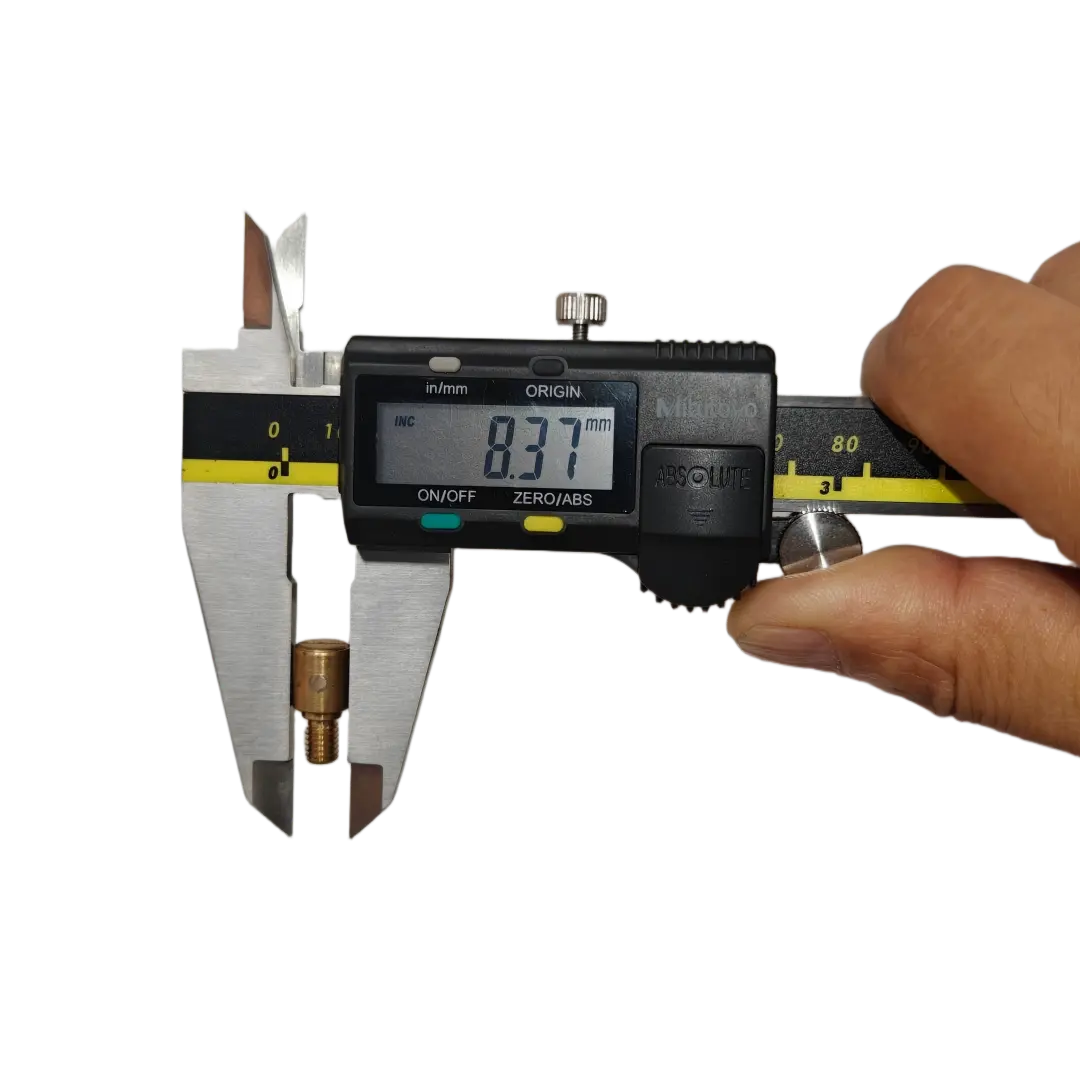
Building the stack: chain dimensions and assembly conditions
The stack-up starts with the dimension chain that controls the fit. Identify the assembly condition that matters — the gap, the interference, or the alignment — and trace the dimensions and tolerances that contribute to it, from one datum through the parts to the feature of interest. Each contributor adds or subtracts from the result, and the chain should include the manufacturing tolerances, the assembly clearances, and the thermal or environmental effects that change the fit. The chain is the map of the assembly, and building it correctly is the analysis: a stack that misses a contributor produces an answer that looks right and fails in the real assembly.
The assembly condition should be stated with the analysis: the fit at room temperature, the fit with the fasteners torqued, and the fit at the service temperature can all differ, and each condition is a separate stack.
Worst-case vs statistical methods
The stack-up can be calculated two ways. Worst-case analysis sums the extreme values of every contributor, guaranteeing that the assembly works if every part is at its limit — the conservative method that suits critical fits and small part counts. Statistical analysis (RSS, root-sum-square) combines the tolerances by their variance, giving a realistic prediction of the typical assembly with the assumption that the contributors vary independently — the method that suits larger production where the extremes are unlikely to align. The method choice follows the risk: worst case for a safety-critical or small-run fit, statistical where the production volume justifies the probability-based answer. The analysis should state which method it used, because the two answers differ.
Statistical analysis depends on the processes being in control and the contributors being independent; the assumption should be verified with the manufacturing data before the analysis is trusted.
A worked example: two plates and a pin
A simple example shows the method. Two plates are stacked with a pin locating a hole in each; the fit depends on the hole positions, the pin diameter, and the plate thicknesses. The worst-case stack sums the position tolerances of the two holes and the pin’s clearance: if each contributor can move the fit by a small amount, the worst case tells the designer whether the pin can still enter both holes when every part is at its limit. The statistical stack combines the same contributors by their variance, showing that the typical assembly clears with margin even when the worst case is tight. The example produces two answers — one conservative, one realistic — and the design decision uses the appropriate one. The worked example is the template for every stack: identify the contributors, choose the method, and check the result against the assembly requirement.
The example also shows where redesign helps: moving the two holes to a common datum, tightening one position tolerance, or increasing the pin clearance changes the stack, and the analysis shows which change is most effective.
Involving manufacturing tolerances early
The stack-up is only as good as the tolerance assumptions it uses. The manufacturing tolerances — what the process can actually hold — should come from the supplier or the process data, not from a generic table, because a tolerance that the process cannot hold produces a stack that fails in production. Involving manufacturing early means confirming the achievable tolerances for the critical features before the stack is locked, and adjusting the design or the process when the stack fails. The tolerance-control guide covers single-part tolerances; the stack-up is where the parts meet, and the manufacturing input is what makes the meeting realistic.
The early review also identifies the features that should carry the tight tolerances and the ones that should be loosened, so the cost stays on the functions that need it.
Redesign options when the stack fails
When the stack fails, the redesign options follow the analysis. Tighten the contributor that has the largest effect on the result, change the datum scheme to remove a contributor from the chain, increase the clearance or the adjustment range at the assembly, or add a shim or a select-fit feature that absorbs the variation. Each option trades cost against function, and the analysis shows which change is most effective. The redesign should re-run the stack with the new tolerances or the new chain, and the result should be checked against the assembly requirement with the chosen method. A stack that fails is not the end of the design; it is the signal that the tolerance allocation or the datum scheme needs the redesign.
The design-tips library and the tolerance guides on this site support the analysis; this page is the assembly-fit method. When the chain is built, the method is chosen, and the result is checked, the assembly fits on the first build instead of the fifth.
Running the stack-up with real process data
The stack-up is only as useful as its inputs, and the inputs should come from the real processes. The manufacturing tolerances — the hole position capability, the plate thickness variation, and the pin diameter control — are confirmed with the suppliers before the stack is trusted, and the analysis uses the actual capability rather than a generic table. The measurement method is part of the input: a position tolerance measured from the drawing datum differs from one measured from a convenient edge, and the stack should use the same datum scheme that the inspection will use. The stack-up review should also confirm the assembly condition — the torque, the temperature, and the environment — because a stack that passes at room temperature can fail at the service condition. The analysis that uses real process data and the real assembly condition is the analysis that predicts the production fit.
The stack-up should be re-run when the process changes. A new supplier with a different tolerance capability, a new material with a different thermal expansion, or a design change that moves a dimension all change the stack, and the re-run catches the effect before the first assembly fails. The stack record — the contributors, the method, the inputs, and the result — is the documentation that lets the change review be fast. When the stack is run with real data and re-run on change, the assembly fit is a managed result rather than a discovery, and the first production assembly fits because the tolerance plan predicted it.
The stack-up is also a communication tool between engineering and manufacturing. When the analysis shows a tight worst-case fit, the drawing and the process notes should state which features carry the control and which supplier owns the tolerance; when the analysis shows margin, the loosened features are the cost saving that the shop can use. The stack record should be shared with the suppliers who make the contributing parts, so they understand why their tolerance matters and where the assembly risk sits. The suppliers that see the stack can flag the tolerance they cannot hold before the parts are made, and the design can adjust while it is still a drawing. The tolerance stack-up is not a design-office exercise; it is the bridge that lets engineering and manufacturing agree on where the precision lives and what it costs.
Keep the stack analysis with the assembly drawing, so the tolerance rationale is visible to everyone who touches the design. The record shows the contributors, the method, and the result, and it answers the recurring question “why is this tolerance so tight” with the analysis instead of the memory. The stack file is also the starting point when the assembly changes, because the re-run starts from the documented chain rather than from scratch. The analysis that is kept with the drawing is the analysis that keeps the assembly fitting over its life.
Confirm the measurement basis with the suppliers, because a position tolerance measured from a different datum changes the stack result. The analysis is only as repeatable as the inspection that verifies it.
Keep the analysis current with the drawing revision, and re-run it when the process or the assembly changes.
If you are analyzing an assembly fit and want the stack and the redesign options reviewed, the 6CProto engineering team can work from your assembly to the tolerance plan before the parts are made.