

The Stage-Material Map
The material in a rapid prototype should match what the prototype must prove. A concept model can be printed in a cheap polymer, a functional prototype should be machined or printed in the production material, and a pre-production build must use the production material and process. Choosing the material for the stage is the difference between data that transfers and data that misleads. This guide maps the prototype stages to the material families, explains what each material can and cannot prove, and gives a selection process for the prototype program.
Each prototype stage has a material band that fits the question it must answer. A concept model in a production alloy wastes time and budget, and a functional prototype in a printed stand-in produces data that does not transfer. The material follows the question, and the question is defined by the stage.
- Concept. PLA, resin, and foam prove look and feel only.
- Visual. Painted resin and cast urethane prove appearance and finish.
- Functional. Production metal or plastic proves strength, stiffness, and thermal behavior.
- Pre-production. Production material and process prove manufacturing behavior.
Concept and Visual Materials: Prove the Look, Not the Load
The early stages prioritize speed, cost, and appearance. PLA and standard resins are the concept materials: cheap, fast, and good enough for form and feel. For visual prototypes, painted resin and cast urethane deliver the molded-like appearance needed for stakeholder reviews and user testing, with the finish process, sanding, priming, and paint, as part of the deliverable. If the review is about color and surface class, the finish process deserves as much planning as the geometry, because an unpainted white model hides the surface story the review needs.
The limits of these materials are real and belong in the plan. Standard polymers soften at low temperature, degrade under UV, and lack the strength and fatigue life of engineering materials, so a concept material should never be used for functional data. Foam models prove envelope and packaging, but they compress and dent, and a dented model tells you nothing about the production structure. The appearance materials prove the look, not the load.
Functional Materials: The Production Grade Decides the Data
The functional stage needs production materials, because the data must transfer. A bracket for a load test should be machined in the same aluminum alloy and temper as production; a thermal part should be in the same metal; a wear part should be in the same plastic grade. The material, not the process family, sets the data’s validity.
The grade matters more than the family. Aluminum 6061 and 7075 behave differently; nylon absorbs moisture, which changes its stiffness and impact data; PEEK needs data at the service temperature, not at the catalog condition. The functional prototype should carry the production grade on the drawing, and the material and its condition should be confirmed before the build.
- Aluminum 6061, 7075 for structural parts and brackets, with the grade and temper confirmed.
- Steel and stainless for load-bearing parts, with heat treatment and finish confirmed.
- Nylon and engineering plastics for wear and impact parts, with grade and moisture behavior confirmed.
- PEEK for high-temperature and chemical parts, with data verified at service temperature.
- Titanium for medical and aerospace parts, with material state and surface confirmed.
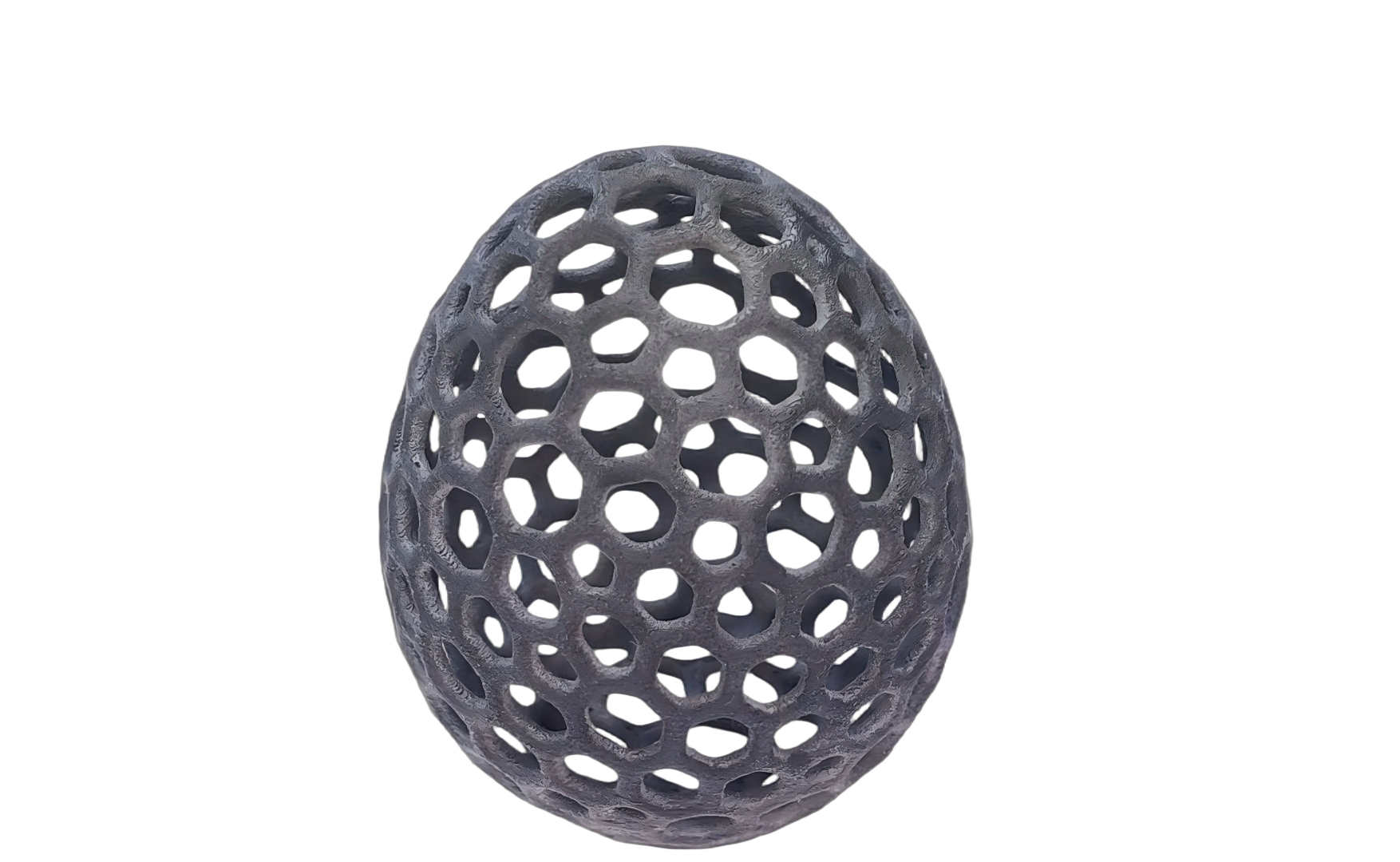
The same rule applies to the machining route. A functional prototype machined from the production billet alloy and temper behaves like the production part, which is why CNC machining is a common choice for load-bearing functional prototypes. The process family matters only where it changes the material state, such as residual stress from machining or weld-affected zones, and those belong in the engineering review.
Printed Materials in Functional Prototypes
Printed materials have a legitimate role in functional prototypes when the geometry justifies them and the properties are understood. SLS nylon makes functional clips, hinges, and housings; printed metal makes parts with internal channels; and printed resin makes fit checks that will later be molded. The rule is the same: the material must prove what the part must prove.
The data sheet of the material is not the property of the printed part. The layer bonds, the orientation, and the post-processing change the result, so the printed behavior should be verified for the application. A printed functional part is valid only if the data it produces transfers to the design. For the process differences that matter to printed properties, the comparison of FDM versus SLA versus SLS is a useful starting point.
Pre-Production Materials: Validating Manufacturing, Not Just Design
The pre-production stage uses the production material and process, because it validates the production route. Molded parts validate the molded material’s shrinkage and surface; machined parts validate the machined tolerance; the material is the production grade, and the process is the production process. This stage catches the differences that prototypes in stand-in materials cannot.
The pre-production material callout should match the production drawing exactly, including the grade, the temper, and the finish. A change at this stage, even a material swap, is a revalidation, so the production spec should be locked before the pre-production build. This is also the stage where the measurement plan is set: shrinkage on molded lots, tolerances on machined features, and surface condition on finished parts are all verified against the production release, and the findings close the loop back to the tooling and the process parameters. A pre-production batch that passes on the production spec is the strongest evidence the design is ready to scale.
Reading the Material Data
The data sheet is the starting point, and reading it correctly is part of material selection. The fields that matter are the strength and modulus at the service temperature, the maximum continuous temperature, the moisture absorption, the coefficient of thermal expansion, and the chemical resistance to the fluids in the application. The values belong to the specific grade, not the family, and the data sheet should be read at the service condition, not at the catalog condition.
The data sheet also states the test method and the condition, and the difference matters. A strength value measured on a molded test bar does not equal the strength of a printed part in the same material, and a property measured dry differs from one measured at equilibrium humidity. The prototype material decision should be made on the data at the actual service condition.
Special Material Requirements
Some applications add requirements beyond the mechanical data. Food-contact parts need grades with the relevant compliance documentation; medical-contact parts need biocompatibility evidence appropriate to the application; and parts that touch skin or chemicals need the material and the finish confirmed together. The compliance belongs to the specific formulation, not the family name, so the grade and its documentation should be confirmed before the prototype.
The compliance requirement changes the material decision earlier than the mechanical data. A prototype for a medical program should use a grade that can support the eventual submission, even if a cheaper grade would pass the bench test, because the data collected in the prototype carries into the file. Material cost is part of the decision: a production-grade material costs more per part, and the program should spend the premium only where the data demands it, at the functional and pre-production stages. The material record, the grade, the lot, and the data used, should be kept with the prototype so the results stay traceable when the production spec is written.
Selecting the Material for the Prototype Plan
The selection process is short and repeatable. Name the stage and the question the prototype must answer; choose the material band for the stage, appearance, functional, or production; for functional data, use the production grade and condition; for printed parts, confirm the printed properties, not the data sheet; and confirm the material and its certificate in the RFQ. When the same project mixes routes, such as a 3D printed housing with machined inserts, each material is validated against its own question, and the assembly test is where the two datapoints meet.
Material data is only as comparable as the method behind it. A tensile or impact value means little if the test method is not named, which is why the external reference for material data conventions is the ASTM standards catalog, the body that defines the test methods behind most data sheets. When the RFQ states the test method, the grade, and the condition together, the quote and the inspection come back on the same page.
Frequently Asked Questions
Can I prototype with a different material than production?
For appearance and geometry questions, yes. For functional data, no: a prototype in a stand-in material produces data that does not transfer. Functional prototypes should use the production grade and condition so the strength, stiffness, and thermal data are valid.
Why do printed prototype materials behave differently from the data sheet?
Because the printed part’s properties depend on the layer bonds, the orientation, and the post-processing, not just the material. The data sheet is a starting point, and the printed behavior should be verified for the application before the data is used.
When should a prototype use the production material?
When the part must produce functional data: load, stiffness, thermal, or wear results that transfer to the production spec. The pre-production stage always uses the production material and process, because it validates manufacturing, not just design.