

A first container of custom machined parts arrives in the US, and the invoice total is not the cost of the parts: freight, duties, and customs clearance add a layer the quote never showed. Importing manufactured parts into the United States is a process with three parts — classification, valuation, and clearance — and each one has rules that the importer owns, even when a broker handles the paperwork. The parts are not “delivered” until they clear customs, and the duty rate, the valuation, and the entry documents determine what the shipment actually costs. Understanding the import path is what turns a supplier quote into a landed-cost estimate.

The import path for custom parts: entry, valuation, and clearance
Importing into the US works through a formal entry: the shipment is declared to CBP (Customs and Border Protection) with the commercial invoice, the packing list, the entry documents, and the classification of the goods. The entry declares what the goods are, what they are worth, and what duty applies. Clearance is the release of the goods after the entry is accepted and any duty is paid or secured. The importer of record owns the entry, the classification, and the duty — even when a broker files it — so the buyer should understand the documents, not just pay the bill. The import path is a legal and financial process, and the records become part of the shipment’s compliance history.
For prototype and low-volume shipments, the same process applies at a smaller scale: the entry still declares the value and the classification, and the paperwork must be right even for a single box of parts.
HTS classification: finding the right code
The Harmonized Tariff Schedule (HTS) classifies every imported good with a code that sets the duty rate and the entry requirements. Classification does not follow a simple “by material” rule: the correct code is determined by the tariff’s General Rules of Interpretation, the section and chapter notes, and the article’s identity — whether it is a complete article, a part, or a component of a specific machine — as well as by its material and construction. A machined aluminum part that functions as a part of a specific machine can classify under the machine’s chapter rather than the aluminum chapter, so the classification should be researched from the current USITC HTS using the part’s function and use, not assumed from the material. Because classification is legal and technical, the importer should confirm it with the HTS and with a broker or customs specialist when uncertain, and keep the supporting reasoning with the entry records.
Misclassification is a real risk with a real cost: the wrong code can underpay or overpay duty, and a deliberate or repeated error can trigger penalties. The classification should be reviewed when the part changes, because a material or design change can move the part to a different code.
Duty calculation and common exemptions
Duty is calculated on the entered value of the goods — the transaction value, which is usually the price paid for the goods plus certain additions such as packing costs. The duty rate is set by the HTS code, and the result can vary widely between part types and countries of origin. Various trade programs can reduce or eliminate duty for eligible goods from qualifying countries. The duty rules and the low-value entry thresholds change: as of the guidance cited in the 2026 CBP trade publications, Section 321 de minimis duty-free treatment for low-value shipments has been suspended, so importers should not assume that a small shipment is automatically exempt. Verify the current rates, thresholds, and program eligibility at the time of shipment rather than relying on an old rate or a general memory, and confirm every entry’s requirements with the broker or the official sources.
The duty estimate belongs in the landed-cost comparison: two suppliers in different countries or under different trade programs can quote the same part price with very different delivered costs. The buyer who compares only the part price is comparing only part of the cost.
Broker vs self-clearing for prototype shipments
Customs brokers file entries and manage clearance for a fee, and they earn that fee on complex, high-value, or frequent shipments. Self-clearing is possible through the ACE system and works for importers who understand the process and ship infrequently. For a prototype shipment, the choice depends on the value, the complexity, and the importer’s experience: a single low-value express shipment may clear with minimal involvement, while a container of classified goods with duty and program questions justifies a broker. The broker is the importer’s agent, not the importer — the buyer still owns the entry’s accuracy, and the broker relationship should include a review of the classification and the valuation, not just the filing.
The shipping and Incoterms guides on this site cover the delivery side; this page covers the US customs side. The Incoterm chosen — DDP, DAP, or FOB — decides who handles the entry and pays the duty, and that decision belongs in the landed-cost plan before the shipment, not at the border.
Where to verify current rules and why this page cannot promise them
Customs rules, duty rates, trade programs, and thresholds change, and they depend on the specific goods, origin, and value. This page explains the import path and the questions to ask, but it is not a compliance manual and it cannot promise current rates or program eligibility. The authoritative sources are the official customs publications and the broker or customs specialist working on the specific shipment. Verify the HTS code, the duty rate, the valuation method, and the program eligibility against the current official sources before the shipment, and keep the records with the entry. The importer who verifies the rules and documents the reasoning is the importer who avoids the border surprise and the post-entry penalty.
Building the landed-cost estimate
A landed-cost example shows how the pieces fit. A buyer compares two suppliers for the same machined bracket: one in the US and one overseas. The overseas part price is lower, but the landed-cost estimate adds freight, duty at the applicable rate, broker fees, and the documentation work — and the estimate closes much of the gap. The US supplier quotes a higher part price with no freight or duty and a shorter lead time. The comparison is not complete until the quantity, the delivery schedule, and the risk are added: at a small quantity with an urgent schedule, the overseas route may cost more in freight and delay than it saves in part price; at a larger quantity with a planned schedule, the overseas route may win. The landed-cost estimate is the tool that makes the comparison honest, and it should be built before the purchase decision, not after the first invoice.
The estimate also includes the documentation and compliance cost. A shipment that needs a material certificate, a declaration of origin, or a trade-program filing carries paperwork that the buyer or the broker must manage, and an error in the paperwork can delay the shipment or trigger a penalty. The importer of record owns that risk even when the broker files the entry, so the documentation plan should be part of the sourcing decision. When the part price, the freight, the duty, the fees, the schedule, and the documentation are all in the estimate, the import decision is a complete cost comparison — and the buyer who builds the estimate before the order is the buyer who avoids the border surprise.
The first import checklist keeps the process manageable: confirm the supplier’s export documentation, classify the parts in the HTS with the supporting reasoning, estimate the duty at the current rate, choose the Incoterm and the named place, decide broker versus self-clearing, and verify the value and the program eligibility. Each line has an owner and a deadline before the shipment, and the checklist turns the import from a mystery into a process. The same checklist serves the second and the hundredth import, because the classification and the documentation plan become the baseline for the part number. When the part changes, the checklist is re-run for the changed classification or value; when the trade rules change, the affected lines are verified against the current official sources. The importer who runs the checklist every time is the importer who knows the landed cost before the order and the compliance record after it — and that knowledge is what makes international sourcing a controlled advantage rather than a recurring surprise.
Finally, keep the import records organized with the part number. The entry, the classification reasoning, the duty paid, and the broker correspondence form the compliance file, and the file is what a future audit or a future shipment references. When the part is reordered, the file provides the classification and the documentation baseline, and when the rules change, the file shows what was verified and when. An import record that lives in a folder with the part number is a small investment that turns every future shipment into a repeat of a known process rather than a new investigation. The discipline is the same as the rest of sourcing: document the decision, keep the evidence, and the process improves with every order.
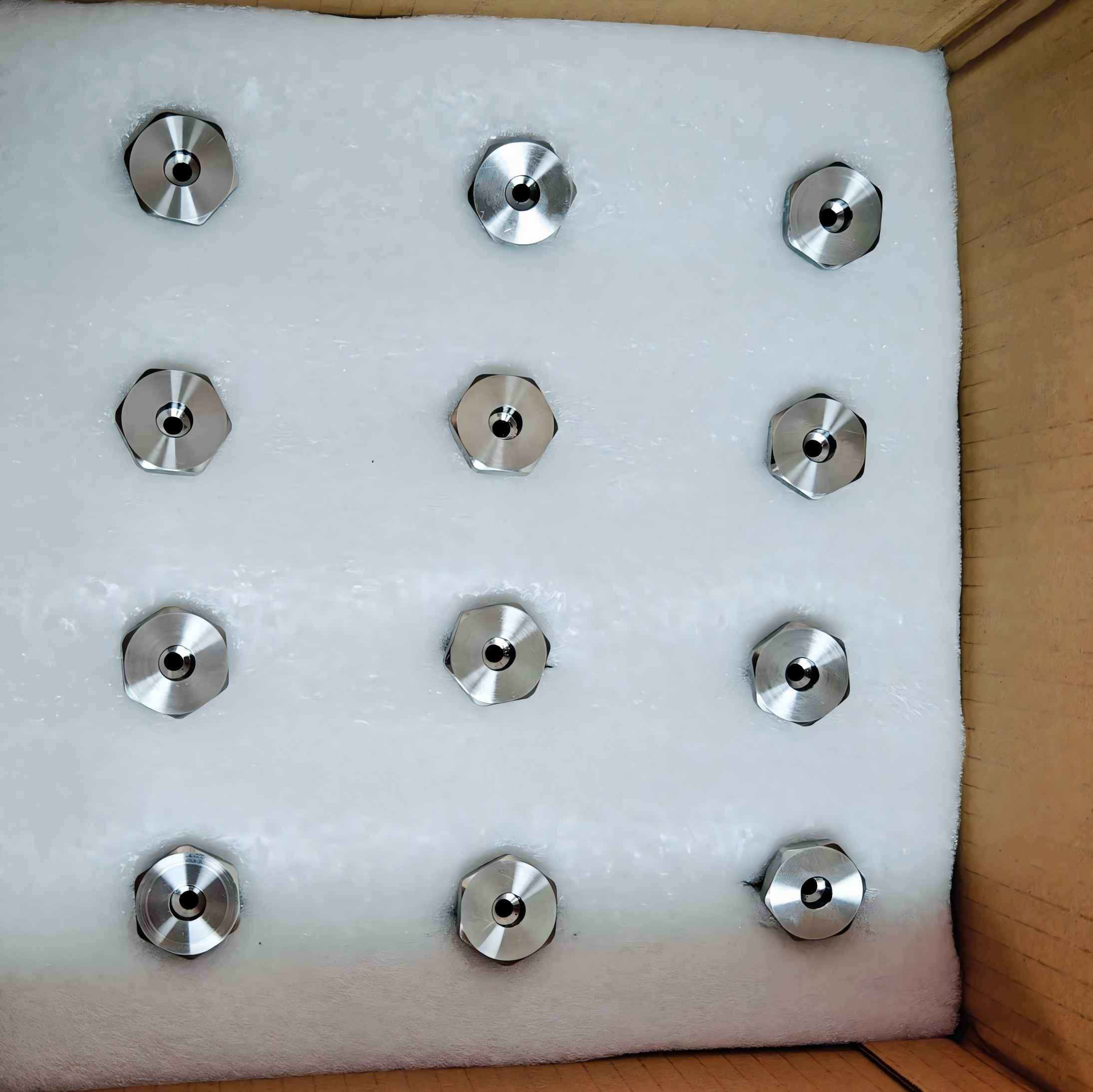
If you are estimating the landed cost of custom parts or planning your first import, the 6CProto team can quote the parts and the export documentation, and your broker or customs specialist can complete the US entry — the two sides of the same shipment work best when the documentation is aligned from the start.