

Medical grade molding is a controlled manufacturing system, not a material label. It produces plastic components that satisfy both the mechanical demands of a device and the biocompatibility, sterilization, and traceability requirements that come with healthcare use. “Medical grade” only means something when a certified resin, a validated molding process, and a documented quality system deliver it together—and the documentation proves it. The practical consequence for engineers is that the specification starts with the device’s contact type and sterilization plan, then flows into material, process, and supplier selection.
How Medical Grade Molding Is Defined
Engineers define medical grade molding by four requirements. First, the material must meet biocompatibility criteria, usually ISO 10993 or USP Class VI testing for the intended contact type—surface, short-term, long-term, blood, or tissue. Second, the process must be validated and controlled, with documented statistical process control, tooling maintenance, and in-process inspection. Third, manufacturing must run under a documented quality system—ISO 9001, and in many cases ISO 13485—with lot traceability and batch certification. Fourth, material and geometry must survive the intended sterilization method—autoclave, gamma, EtO, or plasma—without degrading or exceeding extractables limits. A claim of “medical grade” without data behind those four points is a marketing label, and hospitals, OEMs, and regulators treat it accordingly. The practical consequence is that material selection and process selection cannot be separated: the same resin in a non-validated process does not carry the same evidence.
Materials Used in Medical Molding
The material set is well defined, because grades must carry test reports for the specific resin, not a family name. Common families include:
- Polypropylene (PP): low cost, good chemical resistance, autoclavable; the workhorse for syringes, caps, and containers.
- Polycarbonate (PC): high clarity and impact strength for housings, viewports, and fluid components, typically EtO or limited autoclave.
- Polyethylene and UHMW-PE: tough, low friction, biologically inert; used for prosthetics, wear surfaces, and surgical components.
- PEEK: high strength, high temperature, radiolucent; common in implantable and orthopedic devices, often gamma or EtO sterilized.
- Acetal (POM-C): stiff and dimensionally stable for connectors, valves, and instrument parts.
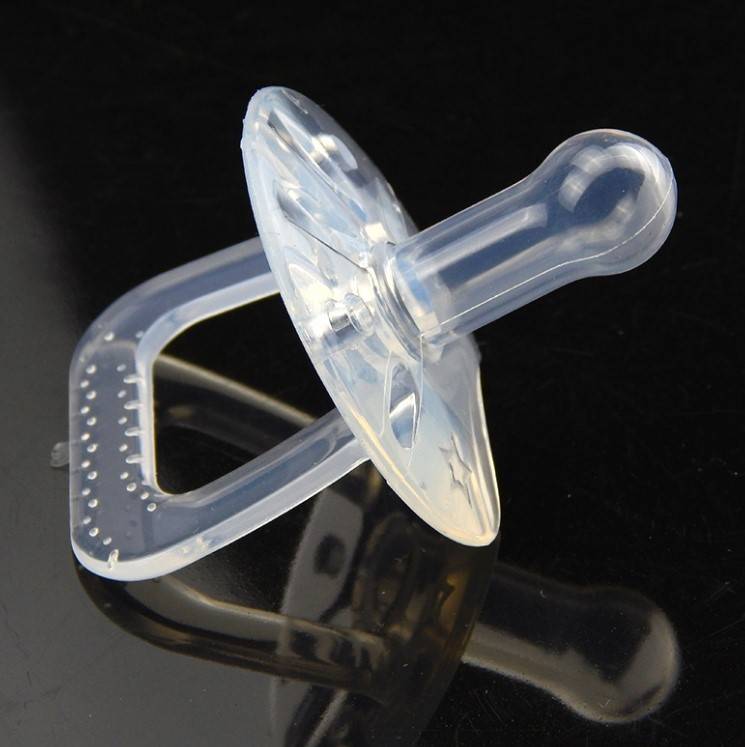
- Medical silicone and LSR: elastomeric and flexible for seals, tubing, and soft interfaces.
- COC/COP: low extractables and high clarity for diagnostic and fluid-handling parts in single-use systems.
Selection starts from a matrix: sterilization method, contact duration, and mechanical demands narrow the candidate list, and the supplier’s test reports close it. For each candidate, verify ISO 10993 or USP Class VI results for the specific grade, batch certificates with lot numbers, and extractables and leachables data under the relevant sterilization and fluid-exposure conditions. The injection molding materials library is a reasonable starting point for comparing grades before the regulatory paperwork begins.
Sterilization Compatibility Determines Material Choice
The sterilization method is usually decided before the resin, because it eliminates candidates quickly. Gamma-sterilized parts need materials that tolerate radiation without chain scission and discoloration; EtO parts need materials that outgas cleanly and tolerate the process environment; autoclaved parts must hold mechanical properties through repeated steam cycles; plasma-sterilized parts face reactive chemistry at low temperature. Each method has a different material shortlist, and the extractables picture changes with the method, so the candidate matrix should list expected sterilization exposure alongside contact duration.
Sterilization testing belongs in the validation records. The supplier should be able to show evidence that the exact grade, in the exact process, survived the intended cycles within spec. A material that is “autoclavable” in one grade and process may fail in another, which is why the evidence is tied to the specific validated configuration and not to a generic material claim.
Molding Processes and Their Trade-Offs
Injection molding dominates high-volume medical components—syringes, connectors, housings, and fluid-path parts—because it combines precision, speed, and repeatable cost at scale. Liquid silicone rubber (LSR) molding fills the elastomer role for seals, gaskets, overmolded grips, and soft interfaces, and the same validated-process discipline carries into overmolding medical parts. Thermoforming serves drape-molded trays and shells where optical clarity or thin uniform walls matter more than tight draft constraints. Blow molding produces reservoirs and bottles; overmolding bonds a rigid substrate with a soft elastomer layer for grips and ergonomic interfaces. The process choice follows volume, geometry, and the material’s behavior—and the tolerance requirements follow the device, not the process.
In low volumes and early development, CNC machining and 3D printing of medical-grade materials support form, fit, and some functional validation. Those routes are not “medical grade molding” for regulated production unless they are explicitly validated and documented. The staged path is the practical one: machined or printed prototypes in medical-grade material for early validation, low-volume molded parts for pre-production, and full validated injection molding for commercial release. This is also where medical device component development fits, since the same supplier can carry the project across the staged transitions when process knowledge is kept intact.
Cleanliness, Validation, and the Quality System
The molding environment is part of the product. Cleanliness controls—process segregation, tooling maintenance, and documented cleaning—prevent contamination that no inspection step after molding can fully undo. Validation follows the IQ/OQ/PQ discipline: installation qualification confirms the equipment, operational qualification confirms the process window, and performance qualification confirms consistency in production. Statistical process control keeps the process inside the validated window across the run, and change control forces revalidation when material, tooling, or process changes. The quality system determines whether all of this is performed and recorded; the documentation is what regulators and customers review. For precision-dimensioned parts, dimensional evidence comes from inspection records, and the same CMM and calibration discipline applies to the batch reports.
Traceability is the thread that ties it together: raw resin lots, molding parameters, inspection results, and sterilization exposure must connect to each finished batch. If a device later fails, that chain is what lets the manufacturer isolate the lot, identify the cause, and act. Inspections tie in per batch—CMM reports where dimensions matter, leak tests for sealed parts, visual inspection for surface defects—and each record carries the lot reference.
The Staged Path from Prototype to Production
Most medical molding programs do not start at full production. They start with machined or printed parts in medical-grade material to validate fit and basic function, move to low-volume molded parts to prove the mold flow and the material behavior in the actual process, and only then commit to production tooling and full validation. Each stage has its own question: does it fit, does it mold, does it pass, can it repeat. Moving through the stages deliberately is what keeps cost proportional to learning.
The transition rules are clear. A prototype confirms geometry; it does not confirm molding behavior. A low-volume molded part confirms processability; it does not confirm long-run consistency. Production release requires the validated process, the documented quality system, and the batch certification trail. Suppliers who keep the same engineering team across the stages preserve the process knowledge that the transition otherwise loses.
Choosing Medical Molding or Not
Medical grade molding is the right choice when the part belongs to a regulated device, the material must meet biocompatibility and sterilization requirements, volume justifies tooling and validation, and traceability is expected. It is the wrong choice for concept models, internal tools, or housings that never contact patients or fluids—those can use conventional plastics and lighter processes. The decision weighs regulatory risk, volume, and cost: implantable, blood-contact, and drug-delivery applications almost always demand the full system, while early concept testing does not. The most expensive error is choosing the full system late—after a design has been validated in materials and processes that cannot carry into production.
Supplier evaluation follows the same logic. Verify certifications (ISO 9001, ISO 13485, FDA registration where applicable), material documentation (ISO 10993 or USP Class VI reports, batch certificates, extractables data), process validation (IQ/OQ/PQ, SPC, change control), inspection capability (CMM, vision systems, leak testing, calibration records), traceability (lot tracking from resin to finished part), and the practical lead-time and capacity questions. The depth of evidence should match the device’s risk profile—and the biggest risk is the gap between what a resin claims and what the validated part actually delivers under sterilization. External standards, such as those catalogued by the NIST measurement and standards guidance, anchor the requirements both sides verify against.
None of this requires a regulatory degree to execute well; it requires the discipline to ask for evidence at each gate and the patience to collect it before committing.
Frequently Asked Questions about Medical Grade Molding
Is medical grade molding only for high-volume production?
No. It scales from low-volume runs to full production. Low volumes may use validated short-run tooling or precision machined and printed parts in medical-grade material, but commercial production of a regulated device typically requires validated injection molding under a documented quality system.
What is the difference between ISO 9001 and ISO 13485?
ISO 9001 is a general quality management standard. ISO 13485 is specific to medical devices and adds risk management, traceability, validation, and regulatory alignment requirements. Many medical device programs prefer or require ISO 13485-certified suppliers.
Can I use non-medical-grade plastic for prototypes?
For early concept and form-fit testing, often yes. Once testing involves fluids, sterilization simulation, or patient contact, use medical-grade materials—otherwise the results mislead the development program.