

The Stage-Gate Framework for Consumer Electronics
Consumer electronics development moves through three engineering validation stages: EVT proves the design works, DVT proves it meets the specification, and PVT proves it can be manufactured repeatedly. Each stage has its own prototypes, deliverables, and gate criteria, and the gate decides whether the program advances. Skipping a gate to save time does not remove the risk; it moves the risk to a stage where it costs more. Skipping EVT moves functional failures into DVT, where tooling changes are the price. Skipping PVT moves process failures into mass production, where recalls are the price.
This guide is written for hardware program managers and R&D leads. It defines what each stage must deliver, what the gate criteria look like, and which electronics-specific checks, PCB clearance, EMI, thermal, connector tolerance stack-up, and cosmetic acceptance, belong in which stage. The framework is deliberately sequential, because each stage answers a different question with different evidence.
EVT: Prove the Function
The EVT build is the first honest functional prototype: real materials, real mechanisms, and real assembly. Its deliverables are functional prototypes in production-representative material, bench data on power, signal, and mechanical function, a DFM review with the manufacturing partner, and a draft bill of materials.
The EVT gate asks two questions. Do the core functions work? And are the DFM issues that would force a tooling change resolved? A mechanism that binds in the prototype will bind worse in production if the tolerance analysis is not done, and a board that fits by force in EVT will not fit in DVT. This stage is also where change control starts: label every revision, document it, and review it, because the same discipline protects the program when tooling money is on the table.
The EVT build volume should also match the question. A handful of fully assembled units is enough to prove mechanism function; it is not enough to establish tolerance behavior, which needs the larger DVT sample. The prototype count is an evidence decision, not a cost decision, and underbuilding the EVT sample is the more expensive mistake because it forces the program to rediscover function failures at DVT, where tooling is already committed.
`n
Process choice at EVT should match the question. 3D printing is the fastest route for form and internal fit, while CNC machining is the route when strength, heat, or tolerance data must be trusted. A printed part can validate geometry, but it cannot predict the stiffness or thermal behavior of a machined or molded part, so match the process to the data the program needs. The engineering question, not the fastest printer, sets the route.
DVT: Prove the Specification
The DVT build validates the design against the written specification in a realistic environment. Deliverables include thermal testing at the operating limits, EMI and ESD verification, drop and durability checks, tolerance stack-up analysis for the enclosure and connectors, cosmetic finish samples, and the first articles from production-representative tooling.
The DVT gate is specification compliance. The design passes when measured results meet the specification with margin, when tooling first articles are approved, and when cosmetic samples are signed against the finish standard. If finish samples are approved in the same meeting as the tolerance review, the program is already at risk: cosmetics and mechanics use different evidence and different acceptance criteria, and each deserves its own review.
Production-representative processes matter at DVT. A machined housing cannot predict molded shrinkage or surface, and a hand-finished sample cannot predict the painted production finish. The first DVT parts should come from the process that will actually produce them, so the data is honest. This is the stage where surface finish standards and tolerance inspection methods get locked, before tooling is cut for mass production.
PVT: Prove the Process
PVT runs a pilot batch on the production line with production tooling, production fixtures, and production operators. The deliverables are pre-production units, yield and defect data, first-article inspection reports, process capability on critical features, and packaging and shipping validation.
The PVT sample size is a planning decision in its own right. The run must be large enough to estimate yield and process capability with confidence on the critical features, but small enough that the results arrive while the program can still act on them. Between a few dozen and a few hundred units is the practical band for most consumer electronics programs, and the defect categories, cosmetic, dimensional, electrical, and functional, should be tracked separately so the yield number does not hide a quality story.
`n
The PVT gate asks three questions. Does yield meet the target? Are the failure modes understood and controlled? Is the inspection baseline documented? A run that passes on the bench but fails on the line reveals the gap between prototype and production, which is the entire purpose of the stage. The data collected at PVT, yield rates, inspection results, and process capability, becomes the acceptance baseline for mass production, and that baseline is what quality assurance will be measured against through the product life.
Electronics-Specific Design Checks by Stage
Consumer electronics add checks that mechanical programs do not face, and each check has a natural stage:
- PCB clearance. The board, the flex, the battery, and the antenna all need verified clearance. Mechanical interference is an EVT check; the tolerance stack-up under production tolerances is a DVT check.
- EMI and shielding. Shielding performance depends on the production material and coating, so meaningful EMI data comes from DVT parts built the way production will build them. A hand-made shielded prototype proves little about the production enclosure.
- Thermal path. Thermal management is an EVT question in the mechanisms and a DVT question at the operating limit. The production-compatible thermal path, including the contact between PCB and heat spreader, belongs in DVT.
- Connector tolerance stack-up. The accumulated variation of the enclosure, the port, and the mating connector is a DVT measurement, because it is a statistics problem, not a single-dimension problem.
- Cosmetic acceptance. Finish samples are signed in DVT against the surface finish standard. The sample bank, not a verbal description, is what production and inspection will judge against.
Two additional checks belong in the framework even though they are not mechanical. First, regulatory and certification evidence, such as battery certification, wireless compliance, and safety markings, should be scoped at EVT so the testing schedule does not block the DVT gate. Second, serviceability: how the device is opened, repaired, or recycled, is a design input that PVT should verify on production units, because a serviceability issue discovered after launch is a field problem, not a factory one. Adding both checks to the stage plan costs nothing at EVT and prevents program-level surprises later.
`n
Each check is assigned to the latest stage where a failure is still cheap to fix. The stage discipline is what keeps the program moving forward instead of recycling through redesigns.
The Stage-Gate Checklist
EVT exit requires functional prototypes in production-representative material, bench data on power, signal, and mechanics, a DFM review completed, and major DFM issues resolved. DVT exit requires specification compliance with margin, thermal and EMI data at the operating limits, tolerance stack-up analysis, and tooling first articles and cosmetic samples approved. PVT exit requires yield and quality targets met on the production line, inspection baseline and process capability recorded, and packaging and shipping validation complete.
The checklist is only useful if the evidence is real: measured data, from the process the program intends to use, inspected with the equipment named in the plan. The gate is not a formality, and a program that advances without its evidence spends the next stage redoing work that should have been caught earlier.
How Rapid Prototyping Services Match the Stages
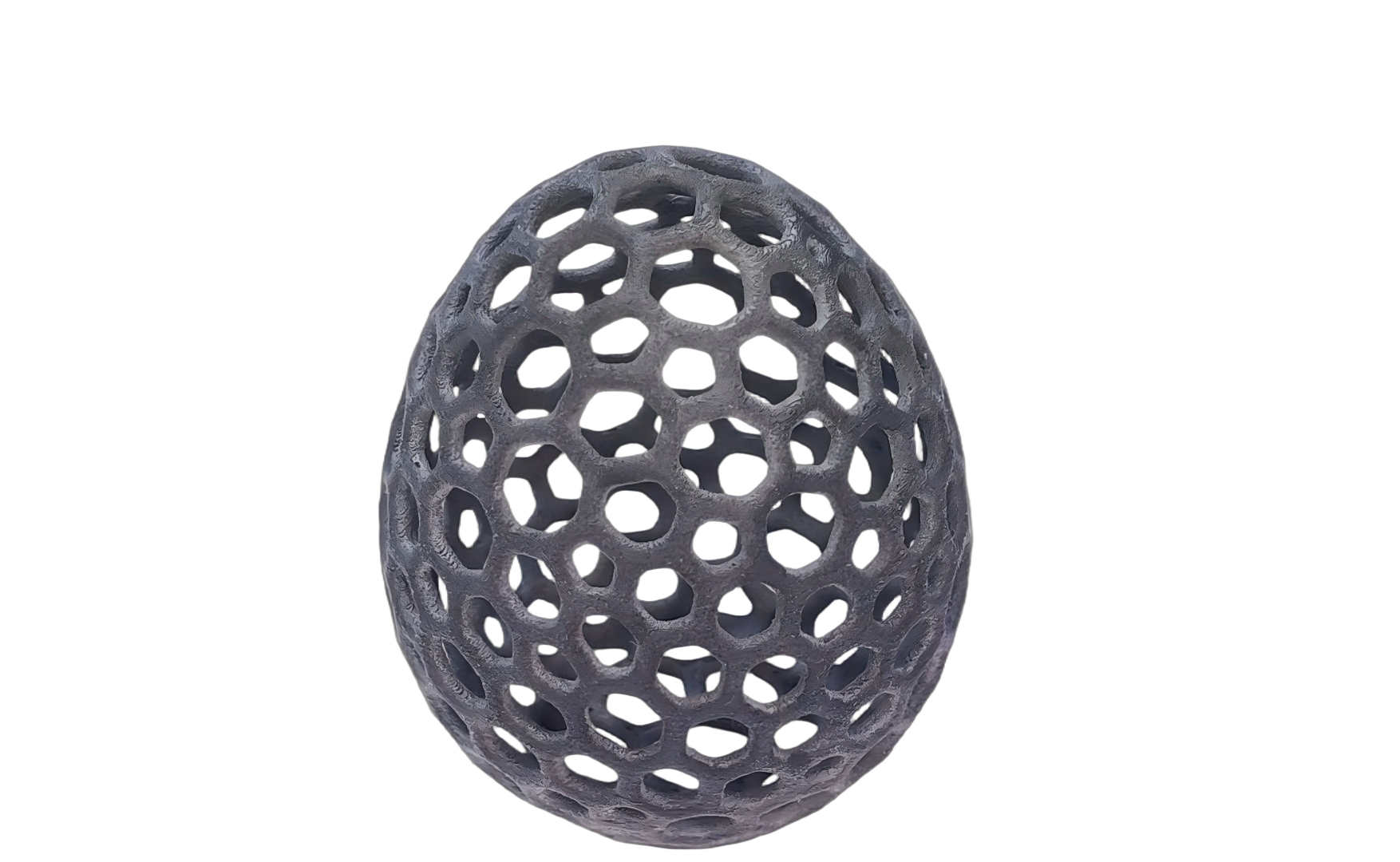
The stage-gate framework only works if the right parts can be made at each stage. 6CProto’s rapid prototyping services cover the prototype mix: printed parts for EVT geometry, machined parts when strength and tolerance data are needed, and sheet metal or molded parts for the DVT first articles. Because the stages differ in required evidence, the manufacturing partner should be chosen for the full path, not for a single stage.
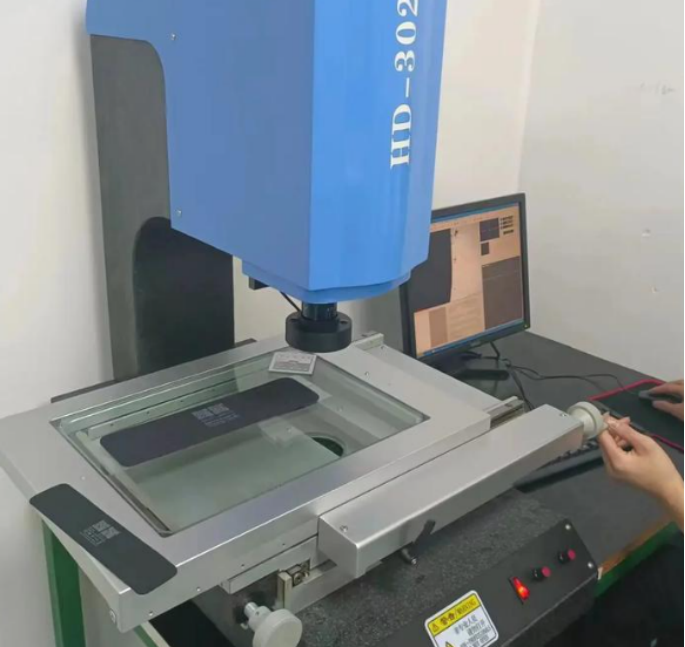
A partner that runs prototyping, low-volume production, and tooling for molded parts, as 6CProto does through low-volume manufacturing and injection molding, keeps the handoffs inside one quality system. The consumer electronics industry page describes how these services combine for smart-device programs, and the surface finishing services page covers the finish samples that DVT must sign against. For the electronics-specific checks, the practical framework for dimensional quality control is covered in the article “Advanced CMM Inspection: A Practical Framework for Custom Part Quality Control”.
Stage documentation and terminology can also be aligned with the quality management framework referenced by most hardware programs, including the process-control requirements of ISO 9001 for quality management systems (NIST measurement and standards guidance), which supports the audit trail that PVT establishes.
FAQ
What if my program cannot afford a full PVT batch?
Then run the smallest PVT that still exercises the production line, tooling, and operators. A pilot of a few dozen units can reveal setup time, yield, and inspection gaps that a single prototype cannot. The goal is process evidence, not a production batch.
Can a single prototype serve multiple gates?
No, and that is the point of the stages. A prototype built by hand on a bench cannot prove specification compliance or process capability. Each gate requires evidence from a different question: function, spec, then process. Reusing one build across gates simply skips the evidence.
At which stage does the surface finish standard get locked?
At DVT, when cosmetic samples are signed against the finish standard and inspection methods are confirmed. The finish decision must be made before tooling is cut, because mold texture, polish, and coating are locked into the tool or the process at that point.