

Prototype testing exists to convert parts into decisions. The choice of method determines what a prototype can prove: a fit check validates assembly, a functional test validates behavior, and a field trial validates use in the real world. Each requires a different prototype, a different measurement approach, and a different budget, so the test intention should be written before the part is ordered. Testing is where the prototype program earns its cost: a test that answers a defined question removes risk from the next decision, while a test run without an intention produces data that nobody can act on.
The Test Intention Comes before the Prototype
The first question in prototyping is not “what do we build?” but “what do we need to learn?” A one-line test intention—the question, the pass criterion, and the prototype requirements—turns the prototype from an object into an experiment. It is also the design input: a fit check needs dimensional accuracy, a functional test needs production-like materials, and a field trial needs durability. A prototype built without the test in mind answers the wrong question, and the cheapest fix is to define the intention before the order.
Writing the intention also aligns the team. When the question, pass line, and prototype requirements are agreed before ordering, everyone tests the same thing, and the result is trusted instead of debated. A test plan that stays unwritten produces observations; one that is written produces decisions. The plan also belongs in the request for quote: suppliers price the prototype for the test when they know whether it needs dimensional accuracy, production material, or durability, and the quoted accuracy and finish follow the test rather than a generic default.
Fit Checks: Tolerances and Assembly
A fit check validates that parts go together: dimensions, tolerances, clearance, and assembly sequence. The prototype must hold the dimensional accuracy of the production part, because fit is what is being tested. The method is assembly itself—mating the parts, measuring gaps, and checking interfaces against the drawing.
Three practical rules make fit checks meaningful. First, specify the measurement points: mating faces, hole patterns, and clearances are measured where they matter, and a fit check is only as strong as its coverage. Second, set pass criteria from the fit requirements—clearance, interference, and alignment—so a pass or fail is a decision rather than an impression. Third, use the result to adjust the drawing: a failed fit reveals the tolerance that must change while changes are cheap, and a passed fit confirms the geometry before production tooling locks it in.
Measurement cost scales with what is being verified. Calipers and simple gauges cover basic dimensions; pin and plug gauges confirm hole sizes; a coordinate measuring machine (CMM) earns its place when hole patterns or datum relationships across the part must be verified against CAD. For a prototype that mostly proves assembly, the CMM pass on mating features is usually a better investment than measuring every cosmetic edge. The accuracy required for a fit check also dictates the fabrication route: a machined or laser-cut part holds its features differently from a printed one, and the fit test only proves what the fabrication method actually delivered.
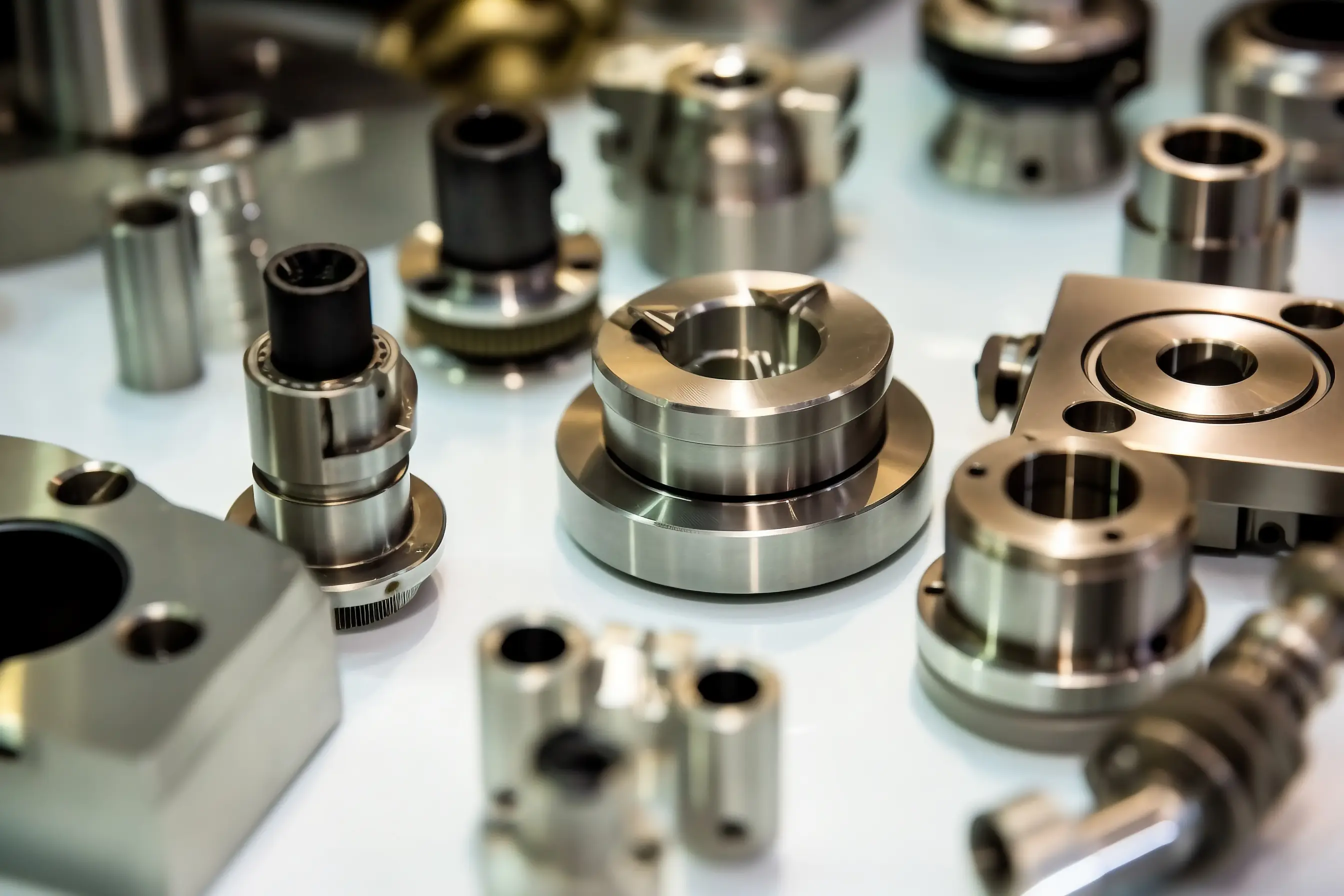
Functional Tests: Motion, Load, and Cycling
Functional tests validate behavior: motion, load, and repeated cycling. The prototype must use production-like materials, because behavior depends on them—a urethane-cast knob cannot prove the stiffness of a molded production part, and a machined prototype of an injection-molded geometry distorts the stress picture. The method is the test itself: running the mechanism, applying the load, cycling the part, with instruments at the points that matter.
The pass criteria come from the specification: force, travel, cycles, or temperature. The functional test is where design assumptions meet reality, so instrumentation matters as much as the test. A prototype made in production-like material is the precondition: if the test must reveal how the real part behaves under load, the prototype cannot be a material stand-in that stiffens or wears differently.
- Measure at defined points: record force, travel, cycles, and temperature at agreed locations, not wherever a gauge happens to fit.
- Define the pass line in numbers: “operates smoothly” cannot close a test; “holds 12 N over 10,000 cycles” can.
- Treat a fail as a finding: a failed functional test identifies the design limit and feeds the next revision, so a disciplined team reviews the fail as evidence rather than a loss.
Environmental and Field Trials: Conditions beyond the Bench
Environmental testing exposes the prototype to temperature, humidity, vibration, or chemicals; field trials put it in the user’s environment. Both validate the part beyond the bench, and both should mirror the product’s life: a device that lives outdoors needs weather exposure, a tool that is dropped needs impact testing, and a product that meets cleaning chemicals needs exposure to them. Field trials add the human variable—installation mistakes, abuse, and use patterns—that bench tests cannot reproduce.
Field trials cost more than bench tests in time and logistics, so they should be run only after the bench tests have set the baseline. The practical rule is to test in the conditions that actually determine failure, and to define which observed behavior counts as a pass before the trial starts. For metal parts, prototype fabrication with the right process—CNC machining for loaded functional samples, sheet metal fabrication for enclosures and brackets, 3D printing for geometry and concept trials—is what makes each test class deliver its intended evidence.
Budgeting Cost across Test Rounds
Testing cost concentrates where the risk concentrates. A fit check is comparatively cheap—one accurate part, some gauges, an afternoon of assembly—so it makes sense to run it early and often as the geometry changes. A functional test costs more because it needs production-like material, fixtures, and instrumentation, and a field trial costs most of all because it consumes real time in the real environment. The budget therefore follows the question: cheap tests answer geometry questions, expensive tests answer behavior and survival questions, and no test should run twice if the earlier round already answered the question it shares.
This ordering produces a natural test cadence. Lock geometry with fit checks while changes are cheap. Validate behavior with functional tests once the materials and joints are representative. Reserve field trials for the design that is already behaving on the bench. Each round should pay for the information that changes the next decision—and stop paying the moment the question is answered.
A Four-Field Test Plan Template
Before any prototype is ordered, fill in four fields:
- Question: what the program must learn, stated as one sentence.
- Test: how it will be learned, naming the method and instruments.
- Pass line: the evidence that closes the question in measurable terms.
- Decision: the next step that each outcome triggers, so the result moves the program forward.
After each round, build a fix list in priority order: functional failures first, cost and manufacturability issues second, cosmetic refinements last. Then test the fix, not the whole product—re-verify the changed features and leave stable features alone. This discipline keeps the loop fast and the budget pointed at the function. A disciplined review applies to the record as well: the questions, results, and decisions from each round become the design evidence that later questions and audits rely on.
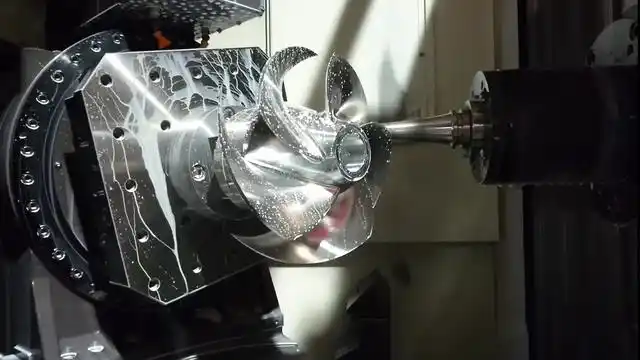
Prototype testing turns parts into evidence only when the test comes first. Start from the question, choose the method that answers it, write the pass line, and let the findings drive the next round. Teams that test this way converge on a design that is verified—not just built, and not just pretty. An authoritative reference for how measurement uncertainty and datum discipline shape dimensional evidence is available from the National Institute of Standards and Technology.
Recording Test Rounds So They Count Twice
A test round that is not recorded produces one decision; a test round that is recorded produces many. Keep the question, the pass line, the measurements, and the outcome together in a simple log, and revisit it before every new round. The record is also the design evidence that later questions and audits rely on, so it should be usable by someone who was not in the room.
Review the log at the end of each round and ask what changed: the findings, the fixes, and the open questions. If a claimed fix did not move the measurement, say so and keep the round open. If the pass line was wrong for the question, correct the pass line before spending another round. This review step is what keeps the loop converging instead of circling.
Frequently Asked Questions about Prototype Test Methods
What is the difference between a fit check and a functional test?
A fit check validates that parts assemble within tolerance; a functional test validates behavior under motion, load, or cycling. They need different prototypes: dimensional accuracy for the fit check, production-like materials for the functional test.
Should prototypes always use production materials?
For functional and environmental tests, yes—behavior depends on the material. Fit checks need dimensional accuracy, and appearance prototypes need finish matching. Match the material to the test question, not to habit.
How do I know a prototype test has passed?
From the pass criterion written before testing. Define what will be measured and what value counts as a pass, so the result is a decision rather than an observation. That is the entire discipline of prototype testing.