

Sending a CAD model to a shop on the other side of the world is a moment of trust. The file is the entire product: the geometry, the critical dimensions, the materials, the thinking that went into the design. Most overseas prototype orders work fine, but the risk is real, and it is managed with process, not with hope. This article covers the practical measures for protecting design IP when ordering prototypes from overseas manufacturers: what to protect, how to control the drawing, what to put in the contract, and how to reduce the value of the file to anyone else without slowing your own development.
Know What Your IP Actually Is
Protection starts by deciding what is worth protecting. The expensive IP on an engineering drawing is usually not a simple part dimension, it is the combination: the mechanism, the tolerances, the material selection, the manufacturing process, and the intent behind the design. A competitor who knows what to copy needs the whole context, not just one hole pattern. Decide which elements are truly proprietary and separate them from what is generic, because you cannot meaningfully protect everything, and trying to restrict every file is a process burden you will not sustain.
Split the Work and the Information
The strongest tool for protecting complex IP is not legal language, it is separating the information so no single shop sees the whole design. A sub-assembly drawing may show a machined part without revealing the mating part it fits. A drawing can omit the critical tolerances that a copy would need to hit. Material callouts can be generic on the manufacturing drawing and confirmed separately in the specification. For a device where the mechanism is the IP, never ship the full assembly model; ship the individual components and let your team own the integration. The less a supplier can reconstitute the whole design from one file, the less the file is worth to them.
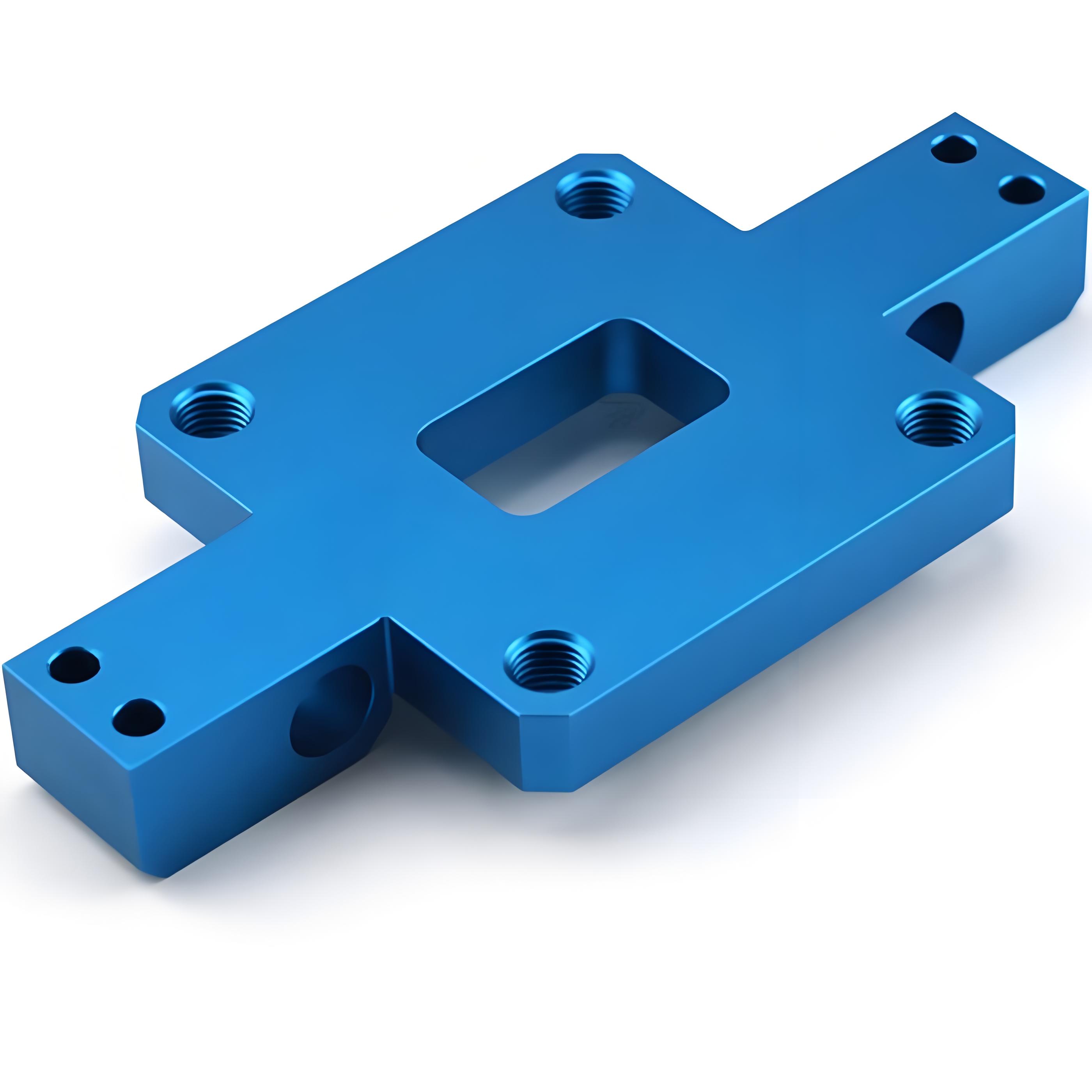
Control the Drawing, Not Just the Model
A 3D model is easier to reuse than a 2D drawing, because the geometry is already resolved and copyable. If the IP lives in the geometry, consider sending a drawing that defines the critical mating surfaces and a simplified or watermarked model for context, rather than a full step file of every feature. Watermarking, unique file names, and per-order IDs let you trace a leak back to its source. Version control matters too: mark each released revision, include ‘1 of 1’ identifiers where useful, and keep the revision history so you know, after the fact, which file is the one that leaked.
Put It in Writing: What the Agreement Should Cover
The contract should say what the supplier may do with the files and what they may not. At minimum, cover three things: a restriction on use of the design outside the order, a non-disclosure obligation on the technical data, and a requirement to delete or return the files on completion. Also state whether the supplier may use the manufacturing process you specify for other customers, because that is often the point where ‘we made your parts’ becomes ‘we make your parts for everyone.’ Many shops will agree to these terms if they are reasonable and stated early; the ones that refuse are a signal.
Reduce the File’s Value Without Slowing Production
Legal protection is only as strong as a court in a different jurisdiction, so the practical protection is making the file less valuable. Omit the critical tolerance on the drawing and confirm it in a separate specification, so the part is wrong without the second piece of information. Send the material callout on the confirmation, not the drawing, so a leak reproduces geometry with the wrong material. Segment the order across process steps so one supplier never handles the finishing IP and the geometry IP together. Each of these costs little and cuts the file’s resale value sharply.

What a Supplier Should Do for You
A serious overseas partner will already have measures in place: controlled file handling, restricted access, employee confidentiality obligations, and a policy on customer designs. Ask them to describe their practice before you sign, not after. A supplier that cannot articulate how it protects customer files cannot protect yours, however good its contract language is. The answers matter more than the paper: who can open the file, where it is stored, who can copy it, and what happens when the project ends.
Practical Checkpoints in the Order
- Decide which design elements are proprietary before sending anything.
- Split sub-assemblies and omit critical tolerances or materials from the drawing.
- Watermark and per-order ID the files; keep the revision history.
- State use restrictions, non-disclosure, and file deletion in the agreement.
- Ask the supplier to describe its file-control practice in writing.
- Retain the right to audit the handling if the project is high-value.
Balance Protection With Development Speed
The discipline of IP protection has a cost, and the right balance depends on the project. A one-off cosmetic prototype carries less risk than a production mechanism that becomes your product line. Do not let administrative overhead slow the development loop for parts that do not deserve it, and do not ship a design that becomes your core business on a handshake. The measure of good IP practice is that the supplier can build your part without being able to reproduce what makes it yours.
Bottom Line
Protecting design IP when ordering prototypes from overseas is a layering exercise: separate the information, control the drawing, put the restrictions in writing, and reduce the file’s value to a third party. The strongest protection is a design that no single file can recreate, backed by a supplier whose own practice is disciplined. You are sending a design across the world; the goal is to send enough to get the part built, and not an atom more.
Classify the File Handling
Not every file deserves the same protection, and sorting them into classes makes the process possible. A class-one file is a generic component that any shop could re-engineer; it needs only normal handling. A class-two file has a mechanism, a tolerance, or a process that a competitor would value; it needs controlled access and written restrictions. A class-three file is the core IP of the product and needs the strongest controls, ideally split so no single party holds the whole. The classification turns the vague goal of protecting IP into a practical decision per file.
Drawing Notes That Cut the Risk
Some of the strongest IP protection is written into the drawing itself. A note that states the material callout is controlled, or that the critical tolerance is supplied separately, puts the supplier on notice that the file is incomplete without the second piece. A note that the design is the customer’s property and limited to this order’s use is the start of the paper trail. A note identifying the revision and the order ties the file to its context. These notes cost nothing and they quietly change how a file is treated inside the shop.
Control the Process, Not Just the File
Some of the most expensive IP is not in the model; it is in the process used to make it. A special toolpath, a surface treatment, a material combination, or a tolerance strategy can be the real trade secret, and it travels with the supplier, not the file. If the process is the IP, protect it directly: separate the process documentation from the product drawing, restrict who sees it, and consider running the process step that matters most in-house. The supplier who learns your process can reproduce it; control what they have to learn.
Sign the Common Terms Early
The standard supply terms for overseas prototypes are short and practical: the design is the customer’s property, use is limited to the order, the technical data is confidential, and the files are deleted or returned on completion. Signing these early, as part of the RFQ or the first order, is easier than negotiating them after a dispute. A supplier that refuses the standard terms is telling you how your future leaks will be handled. The ones that sign without drama are the ones that already have the practice.
The Traceability Angle: Files That Have an Owner
File traceability is the quiet tool of IP protection. Give every file a unique, per-order ID, watermark it with the customer and date, and log who received it and when. When a leak happens, the ID tells you which supplier and which revision leaked, turning a blame game into a diagnosis. The discipline is cheap and the payoff is only realized at the moment you need it, but it is the difference between controlling a leak and hoping for one.
The Cost of Over-Protecting (and Under)
IP protection has a cost curve, and the right point is in the middle. Over-protecting every file adds review cycles, separate specs, and friction that slows the development loop for parts that do not warrant it. Under-protecting the core IP exposes the product for no benefit. The classification step exists to spend the protection budget where it matters: highest control on the core files, normal handling on the generic ones. The goal is not maximum paperwork, it is maximum protection per hour of effort, and that comes from knowing which file is which.