

Explore CNC Design & Material Selection
Brass and copper are among the most pleasant metals to machine and among the easiest to machine badly. Both turn beautifully when the tooling, feeds, and coolant are set up for the material, and both punish the same mistakes: wrong grade for the part, poor chip control, and surface requirements stated too late. This article covers how the two metals differ under the cutter, which alloys suit turning, how chip control differs, how surface finish requirements should drive material choice, and what to inspect before a brass or copper run ships.
How Brass and Copper Differ in Machining Performance
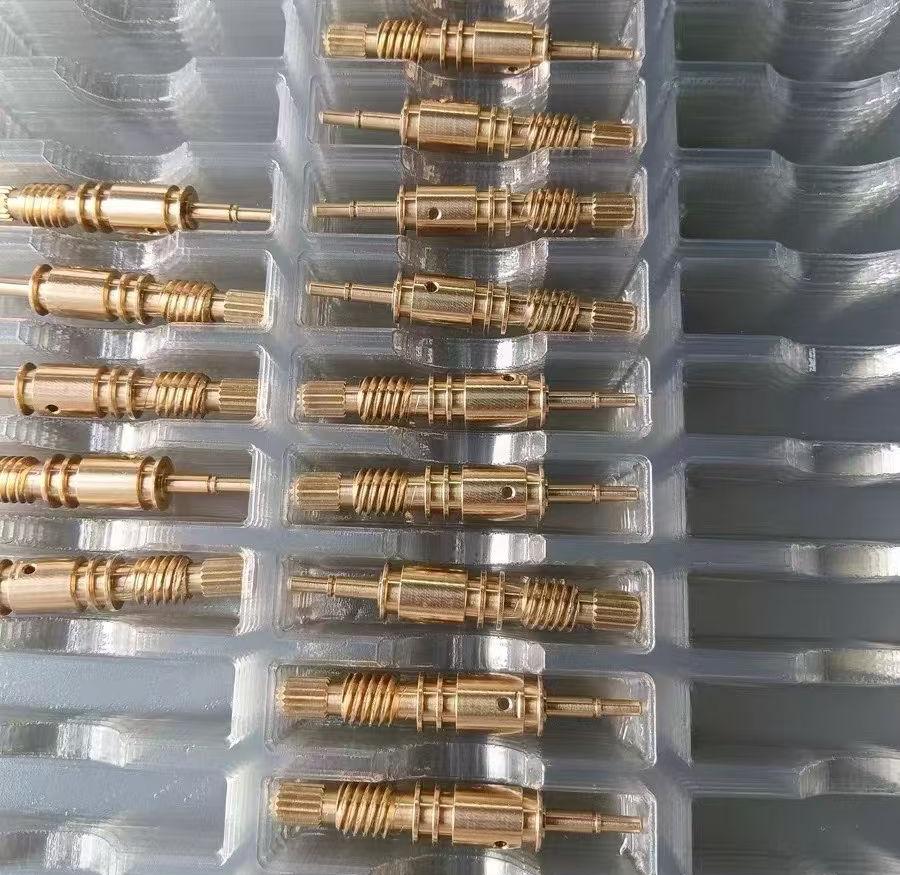
Brass is an alloy of copper and zinc, and the zinc content changes its machinability. Free-machining brasses (typically with added lead or, more recently, bismuth) break chips cleanly, which is why they dominate turned parts, fittings, and valve components. Higher-zinc alloys machine well but can be more sensitive to cutting temperature.
Copper, by contrast, is soft, ductile, and gummy. Pure copper does not break chips easily; it smears, wraps, and burrs. The machining recommendations are different: sharper edges, controlled feed, and generous coolant. If someone quotes copper with the same parameters as brass, the result is predictable: stringy chips, torn edges, and a rough finish.
- Brass: clean chip break, good surface, easy threading, slightly harder than copper.
- Copper: conductivity, softness, difficult chip control, needs sharper tooling and lighter cuts.
Which Alloys Suit Turning Operations
| Material | Typical use in turned parts | Machinability notes |
|---|---|---|
| C26000 / C27000 brass | Fittings, valve bodies, decorative hardware | Good; keep tooling sharp and coolant present |
| Free-machining brass (Pb or Bi added) | High-volume precision turned parts | Breaks chips cleanly, excellent finish |
| C10100 / C11000 copper | Electrical contacts, bus parts, heat paths | Gummy; sharp geometry and controlled feed required |
| High-conductivity alloys (e.g. C18200) | High-current parts | Stickier still; expect burr management |
Grade selection belongs on the drawing. A part quoted as “brass” can arrive as any of several alloys, and the machinability, color, and conductivity differ.
Why Chip Control Matters More in Copper
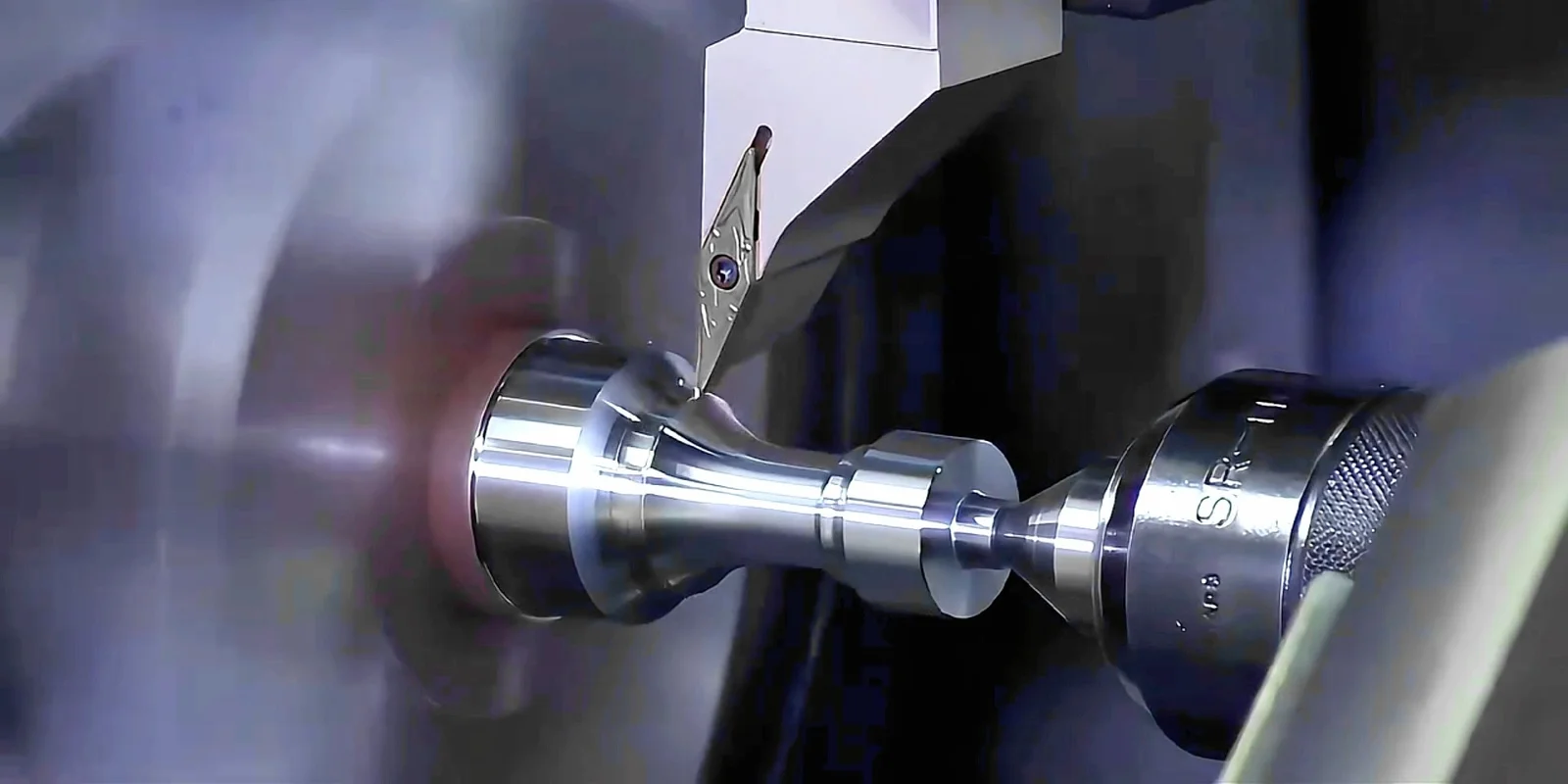
Chip control is the difference between a clean job and a mess. Brass, with the right alloy, breaks chips into small pieces that evacuate easily. Copper produces long, tough chips that wrap around the tool and the fixture, scratching the surface and stopping the cut. The countermeasures are sharp, positive-rake tooling, controlled depth of cut, high-pressure coolant where available, and sometimes chip breakers.
If the supplier does not discuss chip control when quoting copper, ask why not. It is the first place copper turning quality is won or lost.
How Surface Finish Drives Material Choice
Brass and copper can be polished, plated, lacquered, or left natural, and the finish requirement should influence the material choice before the first chip is cut. For a polished or plated surface, you want consistent microstructure and clean machining marks that polish out. For electrical contact surfaces, flatness and surface finish affect contact resistance, so the drawing must state both.
Lacquering or anti-tarnish treatment is common on decorative brass. If the part will tarnish in service and that is unacceptable, say so at RFQ, because the process (lacquering, passivation, or a sealed finish) affects cost and lead time.
Critical Design Constraints for Turned Brass and Copper
- Thread forms: use standard thread geometries where possible; document the standard on the drawing.
- Wall thickness: thin sections in soft copper can deflect under the tool; add support or adjust the machining strategy.
- Burr control: specify which edges must be burr-free (sealing faces, threads, electrical contacts) and inspect for those.
- Conductivity requirements: where the part is a current path, surface finish and material purity matter, not just dimensions.
Prototyping vs. Production Turning
Rapid prototyping is often the right first step even when production will use a different process. A prototype verifies geometry, tolerance, and finish before tooling spend. For copper parts headed to high volume, early prototypes also validate the chip control and tooling strategy before a production run multiplies the experiment.
What to Inspect Before the Run Ships
- Critical dimensions measured on the named inspection equipment.
- Surface finish on sealing faces, threads, and cosmetic zones against the stated standard.
- Burr and edge condition on every feature the drawing marks as critical.
- Material certificate matching the grade and the drawing.
The Bottom Line
Brass turns cleanly when the grade supports it; copper turns cleanly when the tooling and feeds are set up for its gummy behavior. Choose the grade for the application, document it, decide chip control before quoting, and inspect the features that matter. Do that, and turned brass and copper parts ship on spec and on time.
Note: material grades and references should be confirmed against the drawing and applicable standards during RFQ.